What Are Food Machines Used For?

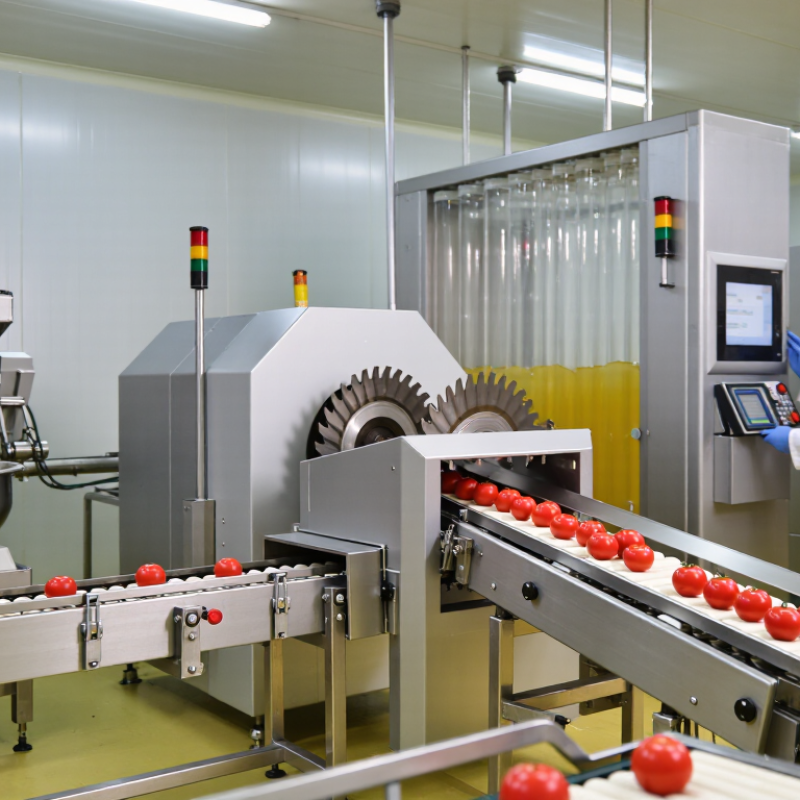
Food machines turn raw ingredients into products that are safer, more consistent, and easier to handle. They wash vegetables, mix dough, grind grains, pasteurize liquids, fill containers, and seal packages. A stainless-steel conveyor may carry tomatoes toward a cutter, while sensors monitor temperature and speed. Small adjustments can affect texture, yield, and product quality.

Food engineering professor R. Paul Singh’s work can be summed up this way: “Food engineering applies engineering principles to food processing.” This idea helps explain why food machines are designed around specific ingredients and tasks. A mixer for thick dough behaves differently from equipment that pumps juice. Proper cleaning, maintenance, and operator training matter just as much as the machine itself. Still, equipment does not guarantee a perfect result. Ingredients vary, parts wear, and a rushed cleaning routine can create problems. Machines help people produce food at scale, but people must check how well they work. Sometimes, the simplest safeguard is careful observation. This article explores what food machines do, where they are used, and what businesses should consider when choosing them. It also looks at a practical point that is easy to overlook: more automation is not always better. The right machine fits the product, production volume, and available skills. That judgment takes experience—and occasional reconsideration.
What Are Food Machines Used For?

What Food Machines Are and How They Work

Food machines are equipment designed to prepare, process, or package food with less repetitive manual work. Their basic job is to apply a controlled action, such as mixing, cutting, heating, cooling, or filling. A mixer turns beaters through a bowl, helping combine flour and liquid into a more even dough. A slicer guides food past a blade to create consistent pieces. Simple actions, repeated steadily.

Many machines use motors, moving parts, and controls that set speed, time, or temperature. In a heating unit, for example, a thermostat monitors temperature and adjusts the heat source. Sensors can help detect changes, but they do not replace careful checks. Food size and moisture vary, so results may differ from batch to batch. The process is not always tidy.

Tips: Choose a machine suited to the food and batch size. Read operating instructions, keep guards in place, and clean food-contact surfaces as directed. Before a run, check that parts are assembled correctly and settings match the recipe. Watch the first batch closely; small adjustments may be needed. A timer helps, but it cannot judge texture or smell for you.

How Machines Prepare and Process Food

What Are Food Machines Used For?
How Machines Prepare and Process Food

Food machines help move ingredients through preparation in steady, repeatable steps. At a small bakery, a mixer may combine flour, water, and yeast while a timer tracks the kneading cycle. A washer rinses produce, and a cutter can slice vegetables into even pieces. That consistency saves time, though it does not make every piece identical. Small differences remain.

Other machines heat, cool, grind, or portion food. A cooking line may use temperature sensors to track heating, while a conveyor carries trays between stations. Workers still need to check the readings and inspect the food. Sensors can drift. A machine cannot judge every smell, texture, or unexpected change in an ingredient. Cleaning matters, too: food residue can collect around seals, blades, and belt edges if parts are hard to reach. Good equipment is designed for accessible cleaning, but proper routines and trained operators are still essential. In real kitchens, settings sometimes need adjustment when ingredients vary in size or moisture. That part is less neat than a manual suggests.

How Food Machines Support Packaging and Storage

Food machines are used to prepare, portion, package, and store products with more consistency than manual handling alone. For packaging, fillers dispense measured amounts into jars, trays, or pouches, while conveyors move them between stations. A worker can watch a stream of sauce enter clean containers and adjust the line when portions drift. Small details matter. Sealing machines press film or lids firmly in place, helping limit leaks and exposure during handling. Labeling equipment adds batch information and storage instructions, though labels still need careful checking.

Storage equipment supports the next stage. Refrigerated rooms and freezers keep temperature-sensitive foods within specified ranges, while bins and pallet systems organize dry goods and finished packages. Sensors can record temperature changes, giving staff a useful warning when a cooling unit struggles. They do not replace inspection. A carton with a crushed corner may still pass through an automated line, so workers need to check packaging and remove damaged items. Automation can reduce repetitive work, but settings, sanitation, and maintenance need regular attention. Even a well-designed process can miss a small problem.

What Are Food Machines Used For? - How Food Machines Support Packaging and Storage
Machine Type Main Use How It Supports Packaging or Storage Common Product or Package Important Operating Consideration
Food washer Removes soil and other surface debris from produce. Prepares fruits and vegetables for cutting, packing, or refrigerated storage. Washed leafy greens, whole vegetables, and fruit. Water quality, cleaning procedures, and effective draining matter for product quality and hygiene.
Slicer or dicer Cuts food into consistent slices, strips, or cubes. Creates uniform portions that can be filled into packages or stored in standardized batches. Diced vegetables, sliced fruit, and prepared ingredients. Cut size and blade condition affect portion consistency and product handling.
Mixer or blender Combines ingredients into a consistent mixture. Prepares products for portioning into containers, pouches, or other packages. Sauces, batters, fillings, and blended foods. Mixing time and speed should suit the recipe and desired texture.
Filling machine Dispenses a measured amount of liquid, paste, or free-flowing food. Places product into containers before sealing or closing. Bottles, jars, cups, tubs, and pouches. The filling method must match the product’s viscosity, particles, and container type.
Vacuum packaging machine Removes air from a package and seals it. Reduces air inside the package and helps protect products during refrigerated or frozen storage. Meat, cheese, prepared foods, and some dry products. Vacuum packaging does not replace required refrigeration, freezing, or food-safety controls.
Heat sealer Joins compatible packaging materials using heat and pressure. Closes pouches or film packages to help prevent leaks and limit exposure to the environment. Flexible pouches, bags, and lidded trays. Seal temperature, pressure, and dwell time should be appropriate for the packaging material.
Retort processing equipment Applies controlled heat to sealed foods in suitable containers. Supports the production of shelf-stable packaged foods when a validated process and suitable package are used. Canned foods and certain retort pouches. Thermal processing requires a process designed and validated for the specific food and package.
Food freezer Freezes food to support frozen distribution and storage. Helps maintain products at frozen temperatures before and after packaging. Frozen vegetables, seafood, meat, and prepared meals. Consistent temperature control and an uninterrupted cold chain are important for frozen products.
Labeling machine Applies product labels to packages or containers. Adds product identification and required information that supports handling, sale, and storage. Bottles, cans, jars, cartons, and trays. Label information and placement should be checked for legibility and applicable requirements.

Where Food Machines Are Used

Food machines are used wherever food must be cleaned, prepared, moved, or kept safe. On farms and at collection centers, conveyors, washers, dryers, and optical sorters handle crops such as potatoes, grain, and fruit. A grader can separate bruised apples before they reach a packing line. The Food and Agriculture Organization’s 2019 report, The State of Food and Agriculture, estimated that 14% of food is lost between harvest and retail. That figure helps explain why handling and storage equipment matter—not just machines inside factories.

In processing plants, equipment mixes dough, mills grain, pasteurizes liquids, freezes produce, and fills containers. Sensors can monitor temperature and flow, while clean-in-place systems help wash pipes and tanks between production runs. These machines also appear in bakeries, dairies, seafood facilities, and ready-meal kitchens. Their design depends on the food: a delicate berry needs gentler handling than a dense dough. Automation is useful, but it is not magic. Poor settings can still damage good ingredients.

Food-service kitchens use slicers, mixers, ovens, and dishwashing machines to manage busy service periods. Retail warehouses and distribution centers rely on refrigeration, sorting, and packing equipment to protect products during storage and delivery. The UN Environment Programme’s Food Waste Index Report 2024 estimated that 1.05 billion tonnes of food waste were generated in 2022 across households, food service, and retail. Better equipment may help with handling and storage, but it cannot prevent every loss. A rushed worker or a poorly maintained cooler still matters.

How Automation Shapes Food Production and Safety

Food machines do more than move ingredients from one station to another. Mixers blend dough to a consistent texture, while conveyors carry filled trays through ovens at controlled speeds. Automated cutters can portion vegetables evenly, reducing hand strain and limiting unnecessary contact. These systems help food producers maintain steady output across long shifts. Small details matter.

Automation also supports food safety by controlling time, temperature, and handling. Sensors can flag an oven that runs too cool or a filling line that slows unexpectedly. Sealed pipes and enclosed transfer points may reduce exposure to dust and direct handling. In a well-managed plant, staff still check surfaces, review temperature records, and verify cleaning between production runs. Machines help, but they do not replace judgment.

There are limits. A poorly calibrated sensor can give reassuring but inaccurate readings, and residue may remain in a hard-to-reach joint. Regular maintenance, sanitation checks, and staff training are essential. Not always perfectly. Automation can also make a small fault affect many products before anyone notices, so clear stop procedures matter. The real measure of a food machine is not speed alone; it is whether people can monitor, clean, and correct the process reliably.