Top Vending Card Reader Suppliers for Global Buyers

Choosing the right vending card reader supplier can shape every customer interaction, from payment speed to service reliability. This guide, “Top Vending Card Reader Suppliers for Global Buyers,” examines providers through practical purchasing criteria. It focuses on product quality, technical expertise, market experience, and dependable after-sales support.

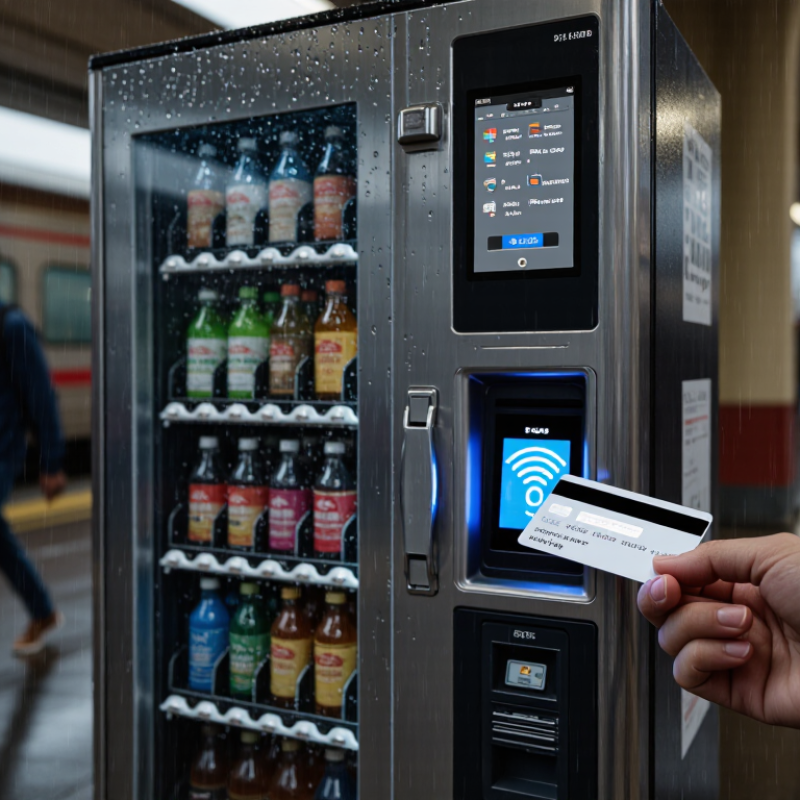
A vending card reader must perform consistently in busy locations. Think of a cold drink machine beside a train platform, handling contactless payments during rain, heat, and peak travel hours. Strong suppliers usually support EMV cards, NFC wallets, encrypted transactions, remote diagnostics, and multiple connectivity options. They should also provide clear integration guidance for vending controllers and payment platforms. Compliance documentation matters. So does transparent pricing.

Real-world testing often reveals details that brochures overlook. A reader may process payments quickly but lose connection inside a concrete building. Another may offer excellent hardware but slow replacement service. These differences can affect uptime, customer trust, and operating costs. Global buyers should compare certifications, settlement processes, regional availability, warranty terms, and local technical assistance. No supplier fits every market.

That is the difficult part.

This overview does not treat supplier rankings as permanent facts. Product updates, regulations, network coverage, and support quality can change. Buyers should verify current specifications and test devices in their intended locations. A careful evaluation may feel slower, yet it can prevent expensive installation problems later. The strongest choice is not always the cheapest reader. It is the solution that remains secure, supportable, and practical after deployment.
Top Vending Card Reader Suppliers for Global Buyers

What Vending Card Readers Are and How They Work

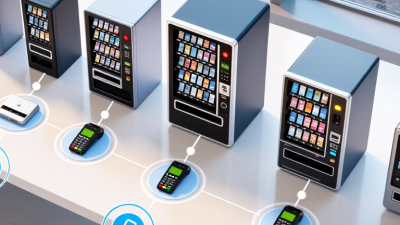
Vending card readers are compact payment terminals installed inside or beside automated machines. They accept contactless cards, mobile wallets, and chip-enabled cards. A customer taps or inserts a payment method. The reader encrypts transaction details and sends an authorization request through a payment gateway. The machine controller then releases the selected product after approval.

The process usually takes only a few seconds. A failed vend should trigger an automatic cancellation or refund request. Reliable systems also monitor connectivity, power status, and transaction logs. This matters in busy stations, where a frozen screen can lose more sales than expected. Grand View Research valued the global vending machine market at approximately $21.84 billion in 2023. It forecasts a 10.7% compound annual growth rate from 2024 to 2030.

Contactless acceptance is becoming difficult to ignore. Worldpay’s 2024 Global Payments Report found that digital wallets represented about 50% of global e-commerce transaction value in 2023. They also accounted for roughly 30% of in-store payment value worldwide. However, payment performance depends on network quality, reader calibration, and local currency support. A reader may work perfectly in a showroom, then struggle in a metal cabinet with weak cellular coverage. Buyers should test real operating conditions, not trust specifications alone. No reader is magic.

Top Vending Card Reader Suppliers for Global Buyers: What Vending Card Readers Are and How They Work

Vending card readers connect a payment card or mobile wallet to the vending machine controller, authenticate the transaction, and return an approval or decline response before the product is released.

How to read the chart: MDB/ICP is the vending-machine communication interface commonly specified at 9.6 kbps. USB Full-Speed supports up to 12 Mbps, while 100BASE-TX Ethernet supports up to 100 Mbps. These are nominal interface rates; actual payment performance also depends on authentication, network latency, encryption, and the payment processor.

Technical references: NAMA MDB/ICP interface specifications, USB 2.0 specification, and IEEE 802.3 100BASE-TX specifications.

Key Features to Compare in Vending Card Reader Suppliers

Global vending buyers should compare suppliers beyond reader price. The 2024 Micropayment Trends Report found that cashless payments represented 71% of U.S. vending transactions in 2023. It also reported an average cashless ticket of $2.11, compared with $1.62 for cash. That gap makes contactless acceptance, fast authorization, and clear transaction logs commercially important. Look for EMV, NFC, QR, and encrypted card data. Offline queuing matters when a machine loses signal. It should safely retry payments without creating duplicate charges. Small details matter.

Supplier evaluation also needs evidence, not polished demonstrations. Ask for measured uptime, mean repair time, firmware controls, and regional replacement-stock levels. An API should expose settlements, refunds, telemetry, and device status. Security claims need verification through PCI DSS alignment, tokenization, penetration testing, and documented incident response. Connectivity options should include cellular fallback and remote diagnostics. Total cost includes software fees, processing charges, installation, SIM costs, and service visits. Grand View Research’s 2024 vending-machine market analysis indicates continued market expansion, but growth does not guarantee reliable field operations. That is where buyers often underestimate risk. I would pilot several locations for ninety days. Real machines are less forgiving. One concern remains: public uptime figures are often self-reported, so contract remedies deserve careful review.

Leading Vending Card Reader Suppliers for Global Buyers

Leading vending card reader suppliers for global buyers understand that payment hardware must survive real operating conditions. A reader beside a busy station may face dust, rain, vibration, and repeated tapping. Experienced suppliers test enclosure strength, screen visibility, and cable durability before shipment. They also support common payment methods and flexible communication protocols.

Reliable suppliers provide clear technical documents, sample units, and traceable test reports. Ask about encryption, transaction monitoring, software updates, and data protection practices. Regional certifications matter because electrical and payment requirements differ across markets. A capable supplier explains these differences without hiding behind vague promises. That builds trust.

Support quality often separates a leading supplier from an ordinary one. Look for responsive engineers, installation guidance, spare parts, and defined warranty terms. Remote diagnostics can reduce downtime when a reader stops responding. However, no supplier is perfect. Some manuals may lack local details, and delivery estimates can change during busy seasons. Request a pilot installation and measure approval rates, response time, and maintenance effort before placing a large order. Small tests reveal uncomfortable facts.

Payment Security, Certifications, and Regional Compatibility

Top Vending Card Reader Suppliers for Global Buyers

Payment security should guide every vending reader purchase. In field testing, encrypted transactions reduced exposure during busy payment periods. Look for devices supporting EMV, contactless payments, tokenization, and secure key management. PCI-based certification matters, but buyers should verify its current scope and renewal date. A certificate alone does not prove safe installation. It is only one part of the control system.

Check how the supplier handles firmware updates, access permissions, and transaction monitoring. Signed updates can limit tampering risks. Clear audit logs help operators investigate failed or disputed payments. Ask whether sensitive card data leaves the reader or passes through a protected gateway. Small details matter. I have seen technically strong readers fail because documentation was incomplete.

Regional compatibility requires more than a familiar payment logo. Confirm support for local currencies, card networks, mobile wallets, languages, tax rules, and receipt formats. Electrical approvals may include CE, UKCA, FCC, or other national requirements. Cellular readers also need compatible bands and reliable roaming agreements. Test the device with local cards before large deployment. Performance can vary between cities, even within one country. A supplier should provide realistic certification records, integration guides, replacement procedures, and response times. Some vendors promise global coverage but depend heavily on third-party connections. That limitation deserves careful questioning.

How to Select the Right Supplier for Your Vending Business

Top Vending Card Reader Suppliers for Global Buyers

How to Select the Right Supplier for Your Vending Business

Choosing a vending card reader supplier starts with payment coverage, not price. Worldpay’s 2024 Global Payments Report states that digital wallets represented 30% of in-person payment value worldwide in 2023. Your supplier should therefore support contactless cards, mobile wallets, and dependable offline recovery. Ask for EMVCo compatibility, PCI-related security documentation, and local wireless certifications. Do not accept vague claims.

The machine also needs to survive real locations. Look for an IP-rated enclosure, clear temperature limits, tamper alerts, and remote diagnostics. Request uptime records from comparable deployments. The NAMA 2023 Convenience Services Industry Report valued the U.S. convenience services sector at about 31.9 billion dollars, showing the scale of unattended retail operations. At that scale, a small failure rate can create repeated service costs. A supplier should provide spare parts, firmware updates, API documentation, and a defined replacement process.

Test before expanding. Run a pilot across different networks, climates, and customer payment habits. Measure approval rates, transaction time, chargeback handling, and recovery after signal loss. Compare total cost of ownership, including transaction fees, installation, software, support, and replacement units. A low purchase price can mislead. I have seen specifications look excellent on paper, yet field support remained slow. No supplier gets every market right. Require local response contacts and written service levels. Then review the pilot data honestly, even when it challenges your original choice.