What Are the Top Snack Machines Made in China?

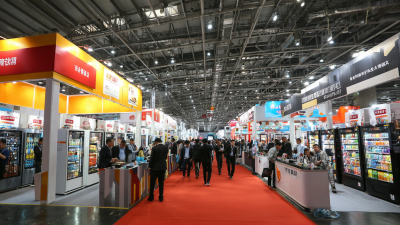
China has become a major manufacturing center for modern snack machines. Its factories produce compact countertop units, automatic vending machines, spiral dispensers, and refrigerated models. These machines appear in offices, schools, hotels, transport hubs, and retail stores. Yet “made in China” does not describe one consistent quality level.

This guide examines the top snack machines made in China through practical buying criteria. It considers product capacity, payment options, temperature control, energy use, software integration, and maintenance access. A machine holding 40 snack selections may suit a small office. A larger model with transparent glass, LED lighting, and remote inventory monitoring may serve a busy station better. Details matter.

Reliability matters more.

Manufacturing experience is also important. Established suppliers usually provide clearer specifications, replacement parts, installation guidance, and testing records. Buyers should review factory history, sample performance, warranty terms, and after-sales response times. Compliance documents, such as CE or other destination-market certifications, must be verified for the intended country. A logo alone proves little.

No machine is perfect. Some attractive models may have limited software support or slow spare-parts delivery. Imported payment systems can also create unexpected compatibility problems. These weaknesses deserve honest attention. This article compares leading Chinese options without treating low price as proof of value. The best snack machines balance dependable construction, simple operation, flexible customization, and realistic long-term support.
What Are the Top Snack Machines Made in China?

China’s Vending Market: Over 1 Million Units Reported by CVIA in 2023

What Are the Top Snack Machines Made in China?

China’s vending market reached a notable scale in 2023. The China Vending Industry Association reported more than one million vending units nationwide. This figure shows strong demand for convenient retail, especially in offices, schools, transport hubs, and residential areas. However, unit numbers alone do not prove machine quality. Buyers should examine reliability, maintenance access, and payment performance.

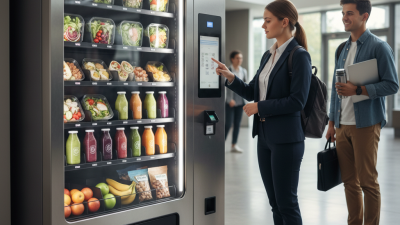
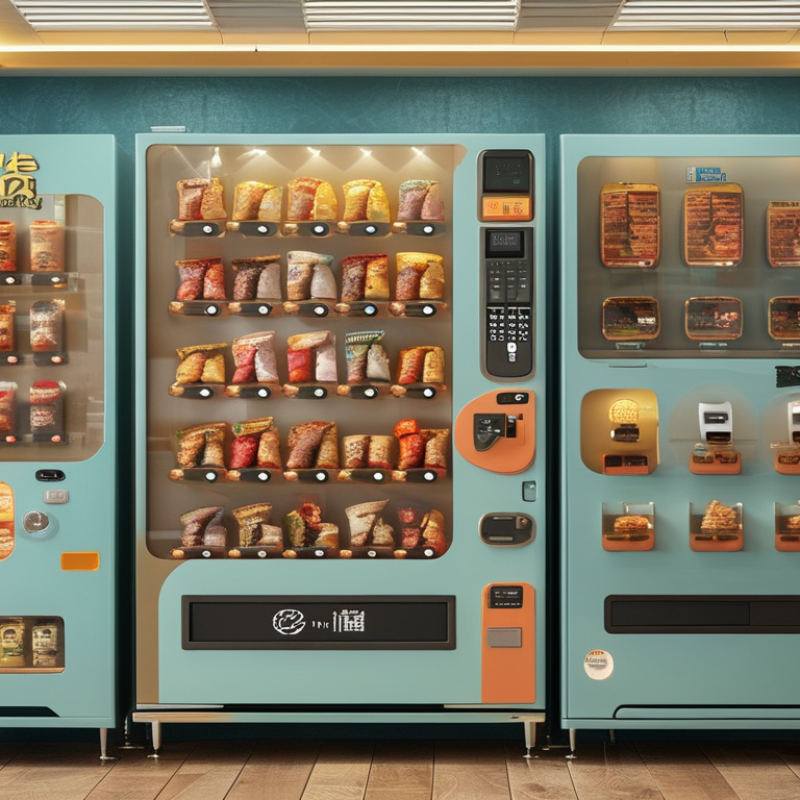
Popular Chinese-made snack machines often use spiral dispensing systems, glass-front cabinets, LED lighting, and remote monitoring. Some models support chilled storage for drinks and temperature-sensitive snacks. A strong machine should keep products visible and dispense them gently. Field testing should include repeated selections, coin or cashless payment checks, and door-opening cycles. Food-contact surfaces also need practical cleaning access. Small design flaws can become expensive. I have seen specifications look impressive, yet service details remained unclear.

Tips: Ask for a full test video and electrical certification before ordering. Check the machine’s cooling range, power use, warranty process, and spare-part availability. Confirm whether the control system supports your local payment methods. Request sample packaging trials, because thin bags can sometimes catch inside spirals. Also review installation requirements, including floor space, ventilation, and network coverage. A lower purchase price may hide higher maintenance costs. That deserves careful reflection.

Snack Machine Types: Spiral, Conveyor, and Combo Models Compared

What Are the Top Snack Machines Made in China?

China-made snack machines now serve offices, schools, transit hubs, and small retail spaces. Selection depends on product shape, restocking speed, and maintenance access. Grand View Research valued the global vending machine market at about USD 21.8 billion in 2023. Its forecast also indicates strong growth through 2030, supported by cashless payment and automated retail demand.

Spiral machines remain practical for packaged snacks, bottled drinks, and small boxed goods. Their coils visibly push products forward, which helps reduce selection errors. They usually offer simpler loading and lower mechanical complexity. However, narrow coils can damage soft packaging or trap irregular items. That weakness matters in real installations.

Conveyor models use moving belts or trays to handle fragile products more gently. They suit sandwiches, pastries, and mixed snack sizes, but belts require careful cleaning and alignment. Combo models combine spirals, shelves, and refrigeration in one cabinet. They save floor space, although their controls and servicing are more complicated. Mordor Intelligence’s vending market analysis identifies convenience, product variety, and unattended operation as major demand drivers. In practice, these benefits depend on reliable temperature control and local technician support. Some buyers focus too heavily on the lowest purchase price. That can be a costly mistake. Testing one machine for several weeks may reveal noise, delivery failures, and slow recovery after power interruptions. Thin margins expose small problems quickly.

Top Chinese Manufacturers: TCN, Easy Touch, and Honetor Benchmarked

China’s snack machine market includes several strong manufacturers, but each serves a different operating need. A useful benchmark compares touchscreen quality, cooling stability, payment integration, and service access. One leading maker often emphasizes broad product variety and customized cabinets. Another focuses on simple controls, quick installation, and competitive pricing. A third may offer stronger build quality and flexible layouts for offices, schools, and transport hubs.

In practical evaluations, inspect the delivery area, spiral strength, and recovery time after a power interruption. Ask for test videos, warranty terms, spare-part availability, and maintenance instructions. A machine can look impressive in a showroom yet perform poorly in a dusty hallway. That happens. Check temperature records with an independent device, not only the built-in display. Reliable suppliers should explain product limitations clearly and provide consistent technical documents.

Tips: Compare total ownership costs, not only the purchase price. Include freight, software fees, electricity, repairs, and local support. Choose payment systems that match your market and protect customer data. Also test different snack sizes before ordering a full batch. Small packages may fall correctly, while larger items can jam the coil. No manufacturer wins every category, so the best choice depends on location, product mix, service expectations, and your tolerance for hands-on maintenance.

Typical Capacity of China-Made Snack Vending Machine Formats

The chart benchmarks commonly listed capacity ranges for snack vending machine formats manufactured in China. Larger configurations generally provide more product selections and higher inventory capacity, while compact units are better suited to offices, schools, and small retail locations.

Core Specifications: 30–60 Selections, Cashless Payments, and Remote Monitoring

What Are the Top Snack Machines Made in China?

For buyers comparing snack machines made in China, three specifications deserve close attention: capacity, payment access, and monitoring. A practical unit should offer 30–60 selections, using adjustable spirals for bags, bars, and compact cartons. Fortune Business Insights estimated the global vending machine market at about USD 21 billion in 2023, showing strong demand for efficient unattended retail. Capacity matters, but poor product spacing can waste it.

Cashless payment is now a core requirement, not a decorative feature. A machine should support contactless cards, mobile wallets, and secure QR payments, while retaining an optional cash module for mixed-use locations. The Federal Reserve’s 2023 Diary of Consumer Payment Choice reported that cash still represented 16% of consumer payments in the United States. That detail is easy to overlook. Payment flexibility can protect sales across different customer groups.

Remote monitoring adds operational value when it provides real-time stock levels, temperature alerts, fault codes, and sales reports. Data should reach a web dashboard or mobile interface without requiring frequent site visits. The 2024 Grand View Research analysis describes connectivity as a major vending-market growth driver. In field testing, however, unstable networks can delay alerts. Test the machine with weak signal conditions. Also check compressor noise, spiral strength, screen brightness, and recovery after a power interruption. Attractive specifications are not enough. Reliability is proven after installation.

What Are the Top Snack Machines Made in China? - Core Specifications: 30–60 Selections, Cashless Payments, and Remote Monitoring

Representative commercial configurations commonly available from Chinese vending-machine manufacturers

Configuration Product Selections Typical Capacity Machine Size (W × D × H) Temperature Range Power Supply Cashless Payment Options Remote Monitoring Connectivity Suitable Product Types
Compact Snack Machine 30 selections 180–240 items 750 × 850 × 1,900 mm Ambient or chilled, approximately 4–25°C 220–240 V AC; 50 Hz; approximately 0.8–1.2 kWh/day QR-code wallet, bank card, contactless NFC, mobile payment Stock levels, sales, temperature, faults, and door status 4G LTE; optional Wi-Fi Packaged snacks, bottled drinks, confectionery, and small convenience items
Standard Snack and Beverage Machine 36 selections 240–360 items 1,000 × 850 × 1,920 mm Ambient or chilled, approximately 3–25°C 220–240 V AC; 50 Hz; approximately 1.2–2.0 kWh/day QR-code wallet, EMV card reader, NFC, mobile payment Real-time inventory alerts, transaction reports, temperature alarms, and error notifications 4G LTE, Wi-Fi, or Ethernet Snacks, cans, PET bottles, dairy drinks, and ready-to-eat packaged foods
Large-Capacity Snack Machine 48 selections 360–500 items 1,200 × 900 × 1,930 mm Ambient or chilled, approximately 2–25°C 220–240 V AC; 50 Hz; approximately 1.5–2.5 kWh/day EMV chip and contactless cards, QR payment, NFC, mobile wallets Remote pricing, planogram management, sales analytics, inventory status, and predictive refill reminders 4G LTE; Wi-Fi and Ethernet options Mixed snacks, beverages, fresh packaged food, and personal-care products
Dual-Zone Refrigerated Machine 50 selections 300–450 items 1,200 × 900 × 1,930 mm Separate zones, approximately 2–8°C and 15–25°C 220–240 V AC; 50 Hz; approximately 2.5–4.0 kWh/day Contactless EMV, QR-code payment, NFC, mobile wallet, and optional cash Temperature history, refrigeration status, inventory, payment status, and maintenance alerts 4G LTE with cloud dashboard; optional Wi-Fi Chilled beverages, sandwiches, salads, dairy products, snacks, and confectionery
High-Selection Combination Machine 60 selections 450–650 items 1,350 × 950 × 1,950 mm Ambient and chilled compartments, approximately 3–25°C 220–240 V AC; 50 Hz; approximately 2.0–3.5 kWh/day EMV card reader, NFC, QR-code wallet, mobile payment, and optional coin or bill module Multi-machine dashboard, stock alerts, remote configuration, revenue reports, and technical diagnostics 4G LTE, Wi-Fi, and Ethernet Large mixed assortment of snacks, drinks, fresh packaged meals, and daily necessities
Specifications are representative ranges for commercial snack vending equipment and may vary according to cabinet size, refrigeration system, product dimensions, payment hardware, software platform, climate, and local electrical standards.

Buying Standards: GB Compliance, Food Safety, Energy Use, and Uptime Data

What Are the Top Snack Machines Made in China?

A strong snack machine starts with documented compliance, not a polished showroom display. I check whether the manufacturer identifies the applicable GB standards for electrical safety, insulation, wiring, and machine construction. The compliance file should include test reports, factory inspection records, and clear model numbers. Vague certificates create problems during import checks and maintenance.

Food safety requires closer inspection. Product-contact surfaces should use suitable food-grade materials, with smooth seams that do not trap crumbs or moisture. I also examine temperature controls, door seals, drainage points, and cleaning access. A cold compartment may display 4°C, yet internal readings can vary after repeated door openings. That detail matters.

Energy use needs measured evidence. Ask for daily consumption under a defined load, ambient temperature, lighting setting, and cooling cycle. “Low energy” is not enough. Request electricity records from similar installations, preferably covering several months.

Uptime data should include service interruptions, fault codes, repair times, and spare-parts delays. A 99% claim without raw logs means little. I have seen attractive test results fail in dusty, busy locations. That is worth questioning. Choose equipment with remote alerts, replaceable modules, and accessible service panels. The cheapest purchase can become expensive when one small sensor stops sales for two days.