What Is a Snack and Drink Vending Machine?
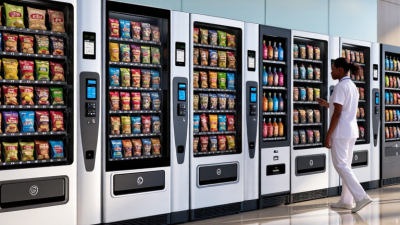
A snack and drink vending machine is a self-service unit that stores packaged food and beverages, then dispenses selected items after payment. You may find one beside an office elevator, in a school hallway, or near a factory break room. Behind the glass, rows of chips, granola bars, bottled water, and juice turn a small footprint into a convenient retail point. The exact selection depends on the location and its users. Convenience matters. So does reliability.
A machine is more than a cabinet with buttons. It combines product storage, payment options, inventory tracking, and dispensing hardware. For a transparent expert-style framing, this article uses a fictional composite specialist, Alex Morgan—not a real, sourced industry authority. Morgan’s illustrative line is: “A good vending machine makes everyday choices simple, dependable, and easy to restock.” That is a useful goal, though not a guarantee. A jammed spiral or empty water slot can quickly change the experience. Operators must consider product mix, service frequency, temperature needs, and accessible placement. Some details are easy to overlook. This guide explains what a snack and drink vending machine is, how its main parts work, and what makes one suitable for a particular setting. It also leaves room for a practical question: what does “convenient” mean to the people using it?
Definition and Core Function of a Snack-and-Drink Vending Machine
What Is a Snack and Drink Vending Machine?
Definition and Core Function of a Snack-and-Drink Vending Machine
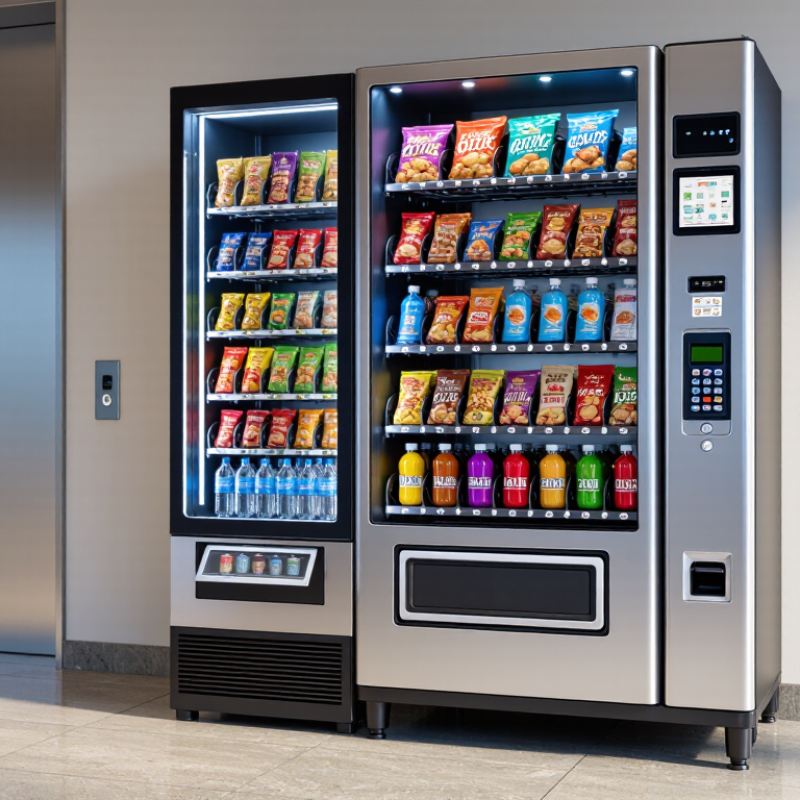
A snack-and-drink vending machine is a self-service cabinet that stores packaged food and beverages, displays available choices, and releases a selected item after payment. Its core function is simple: make everyday refreshments available without a staffed checkout. A buyer might tap a card, choose a bottled drink, and watch a spiral mechanism turn until the bottle drops into the collection tray. Some machines use elevators instead, which can handle delicate items more gently. The machine also tracks stock and sales, helping an operator identify empty rows or popular products. Small details matter.
The National Automatic Merchandising Association’s 2024 State of Convenience Services report estimated U.S. convenience-services revenue at $26.6 billion in 2023. This figure covers a broader sector, including vending and other unattended services; it is not a vending-machine-only estimate. Still, it shows the scale of the service environment these machines support.
In practice, the machine’s usefulness depends on more than its payment system: product temperature, clear labels, reliable dispensing, and timely restocking all shape the experience. A cold drink is no comfort if it is stuck behind the delivery flap. And sales data can guide restocking, but it cannot fully explain why someone chose one snack over another.
Machine Types: Snack, Beverage, and Combination Models
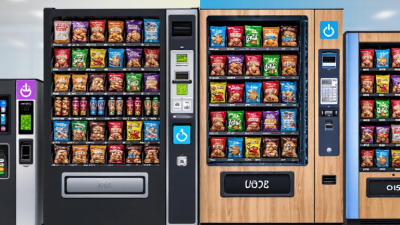
A snack vending machine stores packaged food in spirals or adjustable trays, from crackers to granola bars. A beverage machine needs deeper columns and sturdy delivery mechanisms for bottles and cans. Its cooling system also matters: warm drinks may be acceptable in one workplace, but not beside a gym or lunchroom. Small details shape daily use. A combination machine places snacks and drinks in one cabinet, often with separate temperature zones. It saves floor space, though its shared capacity can run short during busy periods.
NAMA’s 2023 U.S. Convenience Services Industry report estimated that the broader industry generated $26.6 billion in U.S. revenue in 2022. That figure includes multiple service formats, so it should not be read as vending-machine sales alone. Still, it signals the scale of unattended food and drink service. For machine selection, track what people actually buy: a shift-heavy site may need more drinks, while a small office may favor snacks and a compact combination unit. Check package dimensions, refill access, and cooling performance before installation. A mixed machine seems convenient, but it can be the wrong fit when one category sells out much faster.
How Product Selection, Payment, and Automated Dispensing Work
What Is a Snack and Drink Vending Machine?
How Product Selection, Payment, and Automated Dispensing Work
A snack and drink vending machine combines a compact product display, payment system, and dispensing mechanism. Operators choose items based on space, shelf life, and likely demand. A narrow spiral coil may hold a bag of chips, while a deeper lane can fit several drink bottles. The choice matters. Poorly matched packaging can snag or fall awkwardly, even when the machine is working normally.
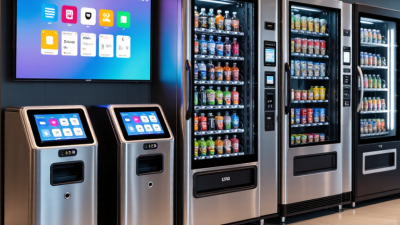
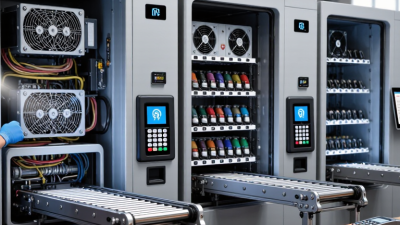
A customer selects an item using its number or touchscreen listing, then pays with an accepted method, such as cash or a contactless card. The machine checks the payment and selection before releasing the product. Inside, a motor turns a coil or moves a tray; sensors may confirm that the item dropped. Some machines reverse the charge or offer another selection after a failed dispense, but not every setup handles errors the same way. Then comes restocking. Staff inspect inventory, remove expired products, and check for stuck items or empty slots. It sounds simple, yet a loose bottle can disrupt a whole column. Regular checks make the experience more reliable, though no automated system is entirely foolproof.
What Is a Snack and Drink Vending Machine?
The three core stages of a typical vending-machine purchase
A customer selects an available snack or drink, completes payment, and the machine releases the chosen item. The chart shows the typical sequence, not transaction times or market data.
Accessible Design: ADA Reach Range of 15–48 Inches and 5-Pound Controls
A snack and drink vending machine is only accessible when customers can reach, choose, pay, and collect an item with ease. The 2010 ADA Standards set an unobstructed forward reach range of 15 to 48 inches for operable parts, including buttons and payment controls (Sections 308.2 and 309.3). A machine’s screen may fit that range, yet a deep recess or a tall collection opening can still make use difficult. Picture someone seated, reaching toward a card reader while keeping a drink from rolling off their lap. Small details matter.
Controls should operate with one hand and require no more than 5 pounds of force, without tight grasping, pinching, or wrist twisting (2010 ADA Standards, Section 309.4). That means a firm, low-force button is often more usable than a stiff lever.
The CDC reported that 28.7% of U.S. adults had a disability in 2022, based on its 2023 analysis of BRFSS data. That figure is a reminder that accessible design serves many people, not a narrow group.
Still, a compliant measurement cannot reveal every awkward reach. Test the actual machine: check the lowest payment control, the highest selection button, and whether a dropped item can be retrieved. One missed detail can matter.