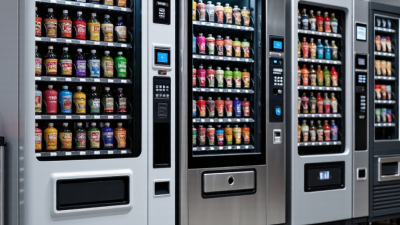
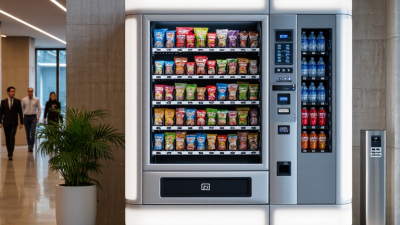
Top 10 Types of Smart Vending Machines for Global Buyers
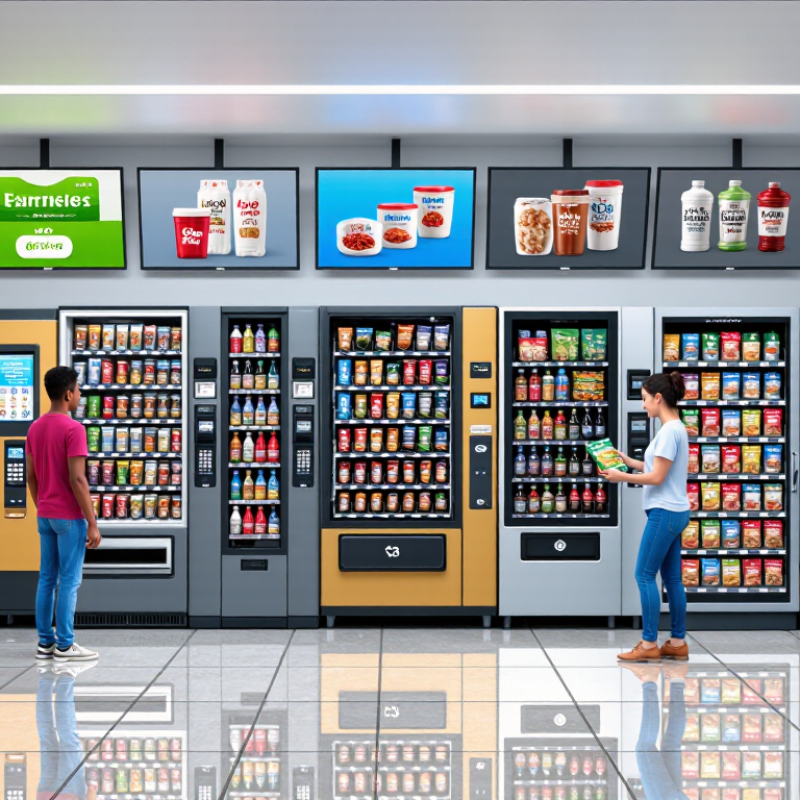
Choosing the right vending equipment requires more than comparing screen size, payment options, or advertised sales capacity. Smart vending machines now serve offices, universities, hospitals, transport hubs, hotels, and residential buildings. Each location creates different demands for temperature control, product protection, accessibility, and restocking speed.
This guide explores the top 10 types of smart vending machines for global buyers. It considers fresh food units, beverage dispensers, hot meal systems, personal care machines, electronics kiosks, and specialized retail models. It also examines practical features, including cashless payments, remote inventory tracking, age-appropriate product controls, energy efficiency, and multilingual interfaces. Small details matter. A bright screen may attract attention, but reliable refrigeration protects customer trust. A compact cabinet may save space, yet limited storage can increase refill visits.
Market experience shows that one successful machine rarely fits every country. Payment habits, climate conditions, electrical standards, consumer preferences, and service networks can differ sharply. That assumption can fail. Buyers should verify certifications, warranty terms, software compatibility, cybersecurity practices, and local maintenance support before placing large orders. Clear supplier documentation also reduces unexpected costs after installation.
The strongest choice balances customer convenience with operational reliability. A machine should work during busy lunch hours, recover quickly after a payment interruption, and provide useful sales data without exposing unnecessary personal information. This overview offers a practical comparison, not a perfect formula. Conditions change. Careful testing remains essential.
What Smart Vending Machines Are and How They Work
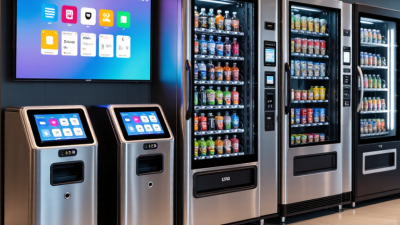
A smart vending machine is a connected retail cabinet that sells products with limited staff support. It combines sensors, a digital display, cashless payment, inventory software, and remote monitoring. The machine identifies each item through weight, cameras, or product tags. After payment approval, a motor or conveyor releases the selected product. The system then records the sale and updates stock data.
Common types include snack, beverage, fresh food, frozen food, coffee, medicine-free wellness, electronics accessories, personal care, book, and parcel machines. Their designs differ, but the operating logic remains similar. Temperature sensors protect chilled products. Door sensors reduce theft risks. Cloud dashboards show sales, faults, and refill needs. Some systems also support several languages and currencies, which helps international operators.
Tips: Check local payment rules, electrical standards, data protection requirements, and food safety controls before importing. Test the machine with real users, not only factory staff. A bright screen may attract attention, but poor accessibility can reduce sales. Remote monitoring sounds efficient; unreliable internet can still cause delays. I have found that simple interfaces often outperform clever ones. Leave space for maintenance. Small design mistakes become expensive across many locations.
Operators should also study product size, climate, cleaning routines, and refill routes. A machine built for dry indoor corridors may fail in humid outdoor environments. Smart technology improves visibility, but it does not replace careful operations or human judgment.
The Top 10 Smart Vending Machine Categories Explained
Smart vending now covers far more than packaged snacks. MarketsandMarkets’ 2024 analysis values the global vending machine market at about $21 billion. It projects growth toward roughly $31 billion by 2029. For global buyers, the leading categories include snacks, bottled drinks, hot coffee, fresh meals, frozen foods, personal care, electronics accessories, pet supplies, books, and workplace essentials. Each category needs different storage, payment, and replenishment systems.
Snack and beverage machines remain practical in transport hubs, schools, and offices. Fresh-meal units require temperature monitoring, short-date alerts, and reliable cleaning procedures. Coffee machines need precise dosing and frequent water-system maintenance. Frozen-food units demand stable low temperatures and rapid door recovery. Personal-care and electronics machines suit airports and hotels, where small, urgent purchases are common. Pet-supply, book, and workplace-essential machines serve quieter, highly targeted locations.
The International Trade Administration reports that cashless payments continue expanding across many global markets. That supports contactless terminals, remote inventory checks, and digital receipts. Yet connectivity is not magic. A weak signal can delay a stock alert. Not always. Buyers should test local payment rules, accessibility, data protection, refrigeration standards, and service response times before ordering. Grand View Research also identifies unattended retail and telemetry as important growth drivers. The ranking is not universal; a fresh-food machine may outperform snacks in one office and fail beside a busy railway platform. Real location trials still matter.
Key Features Across Different Smart Vending Machine Types
Top 10 Types of Smart Vending Machines for Global Buyers
Key Features Across Different Smart Vending Machine Types
Smart vending machines now serve offices, transport hubs, hospitals, schools, and residential buildings. Each type solves a different purchasing problem.
Refrigerated machines use temperature sensors, glass doors, and automatic stock alerts. They suit drinks, salads, dairy products, and packaged meals. Heated food machines add warming controls and timed dispensing. Freshness still requires strict monitoring. A machine cannot replace proper food handling.
Smart locker vending systems offer secure compartments for meals, parcels, or workplace supplies. Users often unlock orders with QR codes, PINs, or mobile payments. Personal care machines can provide daily essentials in hotels, campuses, and public facilities. Their compact design saves floor space. However, small compartments limit product variety.
Micro-market systems combine open shelves, cameras, weighing sensors, and self-checkout screens. They create a more natural shopping experience than traditional vending. Bulk dispensers reduce packaging for selected dry goods, but hygiene controls need careful planning. Frozen product machines require stable temperatures and reliable backup power.
From practical installation experience, remote inventory tracking is one of the most valuable features. Operators can identify low stock, payment errors, and temperature changes without visiting every location. Cashless payment, accessibility controls, energy-saving lighting, and clear product displays also affect daily performance.
No machine is perfect.
Outdoor units may face dust, rain, vandalism, or unstable networks. Buyers should test cleaning routines, software updates, spare-part access, and local payment compatibility before deployment. A cheaper machine can become expensive when maintenance support is weak.
How Global Buyers Can Compare and Select the Right Machine
Global buyers should compare smart vending machines by use case, not by screen size or flashy software. In field evaluations, temperature control, loading speed, and service access matter more. Refrigerated machines suit drinks and fresh meals. Frozen models need strong insulation and reliable defrost cycles. Hot-food, coffee, fresh-produce, electronics, personal-care, flower, book, and mixed-goods machines require different layouts. The product decides the machine.
Ask for temperature logs, energy data, payment compatibility, and connectivity details. Check whether the system supports local currencies, receipts, taxes, and approved payment methods. Remote monitoring should show stock levels, temperature changes, door faults, and payment errors. It should not collect unnecessary customer data. Review electrical certifications, accessibility features, sanitation procedures, and local import requirements. These details often reveal more than a polished demonstration.
Test the machine in realistic conditions. Place it near a busy entrance, load it during a normal refill route, and observe recovery after repeated purchases. Measure noise, queue time, cooling performance, and failed transactions. No machine is perfect. A model may offer excellent capacity but require difficult maintenance access. Another may save energy but depend on limited local technicians. I would also check spare-part delivery times and training quality. A short pilot can expose weak assumptions about climate, foot traffic, and product rotation before a large purchase.
Market Applications, Compliance, and Future Development Trends
Top 10 Types of Smart Vending Machines for Global Buyers
Smart vending machines now serve more than snacks and drinks. Global buyers can choose fresh-food, frozen-food, coffee, personal-care, electronics, book, parcel, protective-equipment, farm-produce, and health-product machines. Each type fits a different location, customer need, and operating budget. A fresh-food unit may need chilled storage, temperature alerts, and frequent restocking. A parcel machine needs strong compartments, secure access, and reliable network service.
Market application should guide the purchase. Airports favor compact beverage and travel-item machines. Hospitals may require hygienic food units and carefully controlled health-product dispensing. Residential buildings often benefit from grocery or parcel solutions. Compliance cannot be treated as paperwork added later. Buyers should verify electrical certification, accessibility, payment security, data privacy, food hygiene, labeling, recycling duties, and local permits. Requirements differ across countries and even cities.
Future machines will use better sensors, remote diagnostics, cashless payments, energy-saving cooling, and demand forecasting. Some systems may connect with inventory software and renewable-energy sources. Still, automation is not always efficient. A machine with advanced software can fail when internet service is weak. A pilot test matters. Real users may reject confusing screens, high prices, or slow collection times. Buyers should measure uptime, waste, service response, and customer complaints before scaling. The best development path remains practical, compliant, and open to revision.
Top 10 Types of Smart Vending Machines for Global Buyers - Market Applications, Compliance, and Future Development Trends
| No. | Smart Vending Machine Type | Primary Products | Typical Market Applications | Core Smart Functions | Key Compliance Considerations | Operational Advantages | Future Development Trends |
|---|---|---|---|---|---|---|---|
| 1 | Fresh Food and Meal Vending Machines | Prepared meals, salads, sandwiches, fruit portions, bakery products, and chilled snacks. | Offices, hospitals, universities, transport hubs, residential communities, and industrial sites. | Temperature monitoring, refrigerated storage, inventory tracking, remote alerts, digital payment, and expiration-date management. | Food hygiene rules, HACCP-based procedures, local temperature-control requirements, allergen disclosure, labeling laws, electrical safety, electromagnetic compatibility, and refrigerant regulations. | Extends food-service hours, reduces staffing requirements, and supports controlled distribution of perishable products. | More accurate shelf-life prediction, automated waste reduction, compartment-level cooling, reusable packaging, and integration with local food-delivery systems. |
| 2 | Beverage and Ice Vending Machines | Bottled water, hot drinks, cold drinks, functional beverages, ice, and refillable drinking water. | Airports, campuses, gyms, offices, tourist locations, outdoor venues, and public facilities. | Cashless payment, automatic dispensing, remote stock monitoring, energy scheduling, temperature control, and consumption analytics. | Drinking-water quality rules, food-contact material requirements, electrical safety, EMC compliance, accessibility provisions, waste-packaging obligations, and refrigerant controls where applicable. | High transaction frequency, simple product handling, compact installation footprint, and relatively straightforward replenishment. | Bottle-free refill models, filtration monitoring, energy-efficient cooling, dynamic pricing, and carbon-footprint reporting. |
| 3 | Pharmacy and Health-Product Vending Machines | Non-prescription medicines where permitted, first-aid supplies, masks, personal-care items, vitamins, and basic health products. | Hospitals, clinics, universities, workplaces, pharmacies, transport stations, and remote communities. | Product authentication, age or eligibility checks, controlled dispensing, temperature monitoring, electronic receipts, and remote inventory alerts. | National pharmacy and medicine-dispensing laws, product registration rules, medical-device requirements where applicable, privacy laws, accessibility standards, and secure payment requirements. Prescription dispensing may require licensed professional oversight. | Improves access to basic supplies and supports after-hours availability in locations with limited retail coverage. | Stronger pharmacist or clinician connection, secure identity verification, prescription integration where legally allowed, and automated recall management. |
| 4 | Personal Protective Equipment and Workplace-Safety Vending Machines | Gloves, safety glasses, masks, ear protection, reflective clothing, helmets, and disposable protective equipment. | Factories, construction sites, warehouses, laboratories, utilities, mines, and logistics facilities. | Employee identification, item-level dispensing records, stock alerts, usage limits, cost-center allocation, and integration with workplace systems. | Occupational health and safety rules, product certification requirements, chemical or biological protection regulations, electrical safety, data protection, and employer recordkeeping obligations. | Helps maintain 24-hour access to safety equipment and provides auditable distribution records. | Predictive replenishment, automated compliance reporting, wearable-device integration, and demand forecasting based on work activity. |
| 5 | Electronics and Mobile-Accessory Vending Machines | Charging cables, adapters, batteries, earphones, power banks, memory cards, and small electronic accessories. | Airports, hotels, campuses, convention centers, offices, shopping areas, and transport stations. | Product image recognition, cashless payment, secure compartments, remote diagnostics, serial-number tracking, and digital pricing. | Electrical and battery-safety rules, EMC requirements, radio-equipment rules when wireless functions are included, recycling obligations, consumer warranty laws, and payment-security controls. | Provides urgent products in high-footfall locations and allows centralized pricing and inventory management. | Modular product bays, automated compatibility checking, rental or return functions, and improved battery recycling collection. |
| 6 | Beauty, Cosmetics, and Personal-Care Vending Machines | Skincare products, cosmetics, travel toiletries, hygiene products, hair-care items, and personal wellness products. | Shopping centers, hotels, airports, gyms, universities, offices, and event venues. | Touchscreen product selection, digital recommendations, age checks for restricted products, inventory analytics, and contactless payment. | Cosmetic ingredient and labeling rules, product-safety obligations, consumer protection laws, accessibility, electrical safety, and privacy requirements for recommendation or loyalty features. | Supports trial-size or travel-size sales, requires limited floor space, and enables targeted product assortments. | Personalization without storing unnecessary sensitive data, interactive product education, refillable packaging, and automated sampling modules. |
| 7 | Fresh Produce and Farm-Product Vending Machines | Fruit, vegetables, eggs, dairy products, locally produced foods, meal kits, and farm-direct products. | Residential areas, rural communities, farmers' markets, transport locations, hospitals, schools, and corporate campuses. | Refrigeration, humidity monitoring, digital scales, product traceability, stock rotation alerts, and remote sales reporting. | Food-safety and traceability rules, cold-chain requirements, weight-and-measurement regulations, packaging and labeling laws, electrical safety, and local agricultural-market requirements. | Shortens the supply chain, improves access to local products, and supports direct sales outside traditional opening hours. | Automated quality inspection, dynamic markdowns before expiration, reusable crates, solar-assisted power, and integration with producer inventory systems. |
| 8 | Parcel, Locker, and Click-and-Collect Vending Systems | Prepaid parcels, online retail orders, grocery collections, returns, rental items, and document packages. | Apartment complexes, offices, campuses, retail centers, transport hubs, and community facilities. | QR or PIN access, identity verification, compartment sensors, temperature-controlled sections, delivery notifications, and centralized monitoring. | Data protection and privacy laws, consumer delivery rights, accessibility standards, fire-safety rules, electrical safety, surveillance requirements, and temperature-control rules for perishable goods. | Reduces missed deliveries, consolidates last-mile logistics, and supports unattended collection and returns. | Larger shared networks, robotic internal sorting, dynamic compartment allocation, electric-vehicle delivery integration, and lower-emission last-mile operations. |
| 9 | Recycling, Refill, and Circular-Economy Vending Machines | Refill liquids, reusable containers, recycled-material products, collection incentives, and selected recyclable packaging. | Supermarkets, public buildings, campuses, transport areas, offices, residential developments, and environmental programs. | Material recognition, container counting, digital vouchers, fill-level monitoring, contamination detection, and collection data analytics. | Waste-management laws, extended-producer-responsibility rules, metrology requirements for measured dispensing, food-contact rules for refillable products, electrical safety, and consumer data protection. | Encourages reuse and recycling while producing measurable collection data for operators and local authorities. | Artificial-vision sorting, deposit-return integration, traceable reusable packaging, real-time contamination analysis, and renewable-energy operation. |
| 10 | Automated Retail and Robotic Micro-Market Machines | Mixed assortments of snacks, beverages, groceries, household goods, electronics, and convenience products. | Offices, residential buildings, hospitals, hotels, campuses, transport hubs, and underserved retail areas. | Computer vision, weight sensors, cashless checkout, remote management, digital shelves, dynamic pricing, customer authentication, and automated replenishment alerts. | General product-specific safety and labeling laws, payment-security requirements, privacy and data-protection rules, accessibility, electrical safety, EMC, cybersecurity, and local retail licensing. | Offers a broader assortment than conventional vending machines and supports unattended retail with centralized supervision. | Frictionless checkout, edge computing, privacy-preserving analytics, autonomous replenishment, digital-twin monitoring, and multi-machine fleet optimization. |

Compliance requirements vary by product category, installation location, payment method, and target country. Global buyers should confirm national regulations, local permits, electrical certifications, food or medical approvals, accessibility obligations, cybersecurity controls, and data-protection requirements before commercial deployment.
Related Posts
-
What Are the Top Snack Vending Machine Suppliers?
-
China Top IT Vending Machine Manufacturers for Global Buyers
-
How to Choose the Best IT Vending Machine for Your Business?
-
What Are the 2026 Best Snack Machines for Global Buyers?
-
China Best Refurbished Vending Machines Supplier?
-
What Is the Best Vending Machine Location?