Why Are Food Vending Machines a Smart Global Investment?

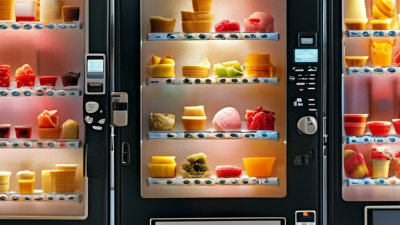
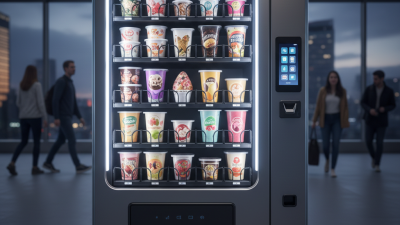
Food vending machines are becoming a practical investment option in busy public spaces worldwide. They serve meals, snacks, and drinks where traditional stores may be too costly or unavailable. A machine beside a university entrance can offer sandwiches before morning lectures. Another near an office complex may provide fresh salads during short lunch breaks. This convenience reflects changing work patterns and growing demand for quick, accessible food.

Investors should examine more than machine prices and expected sales. Location quality, product freshness, payment systems, cleaning routines, and local food regulations directly influence performance. Temperature monitoring and reliable restocking are essential for protecting customers and maintaining trust. Regional preferences also matter. Rice-based meals may sell well in one market, while protein snacks or vegetarian options may perform better elsewhere. Practical testing is wiser than copying another country’s model.

The opportunity is real, but it is not automatic. Food vending machines can reduce staffing needs and operate beyond normal shop hours. They may also collect useful sales data, helping operators adjust menus and reduce waste. Yet maintenance costs, technical failures, vandalism, and unsold food can weaken returns. Some locations simply lack enough daily foot traffic. That part is easy to underestimate.

A credible global investment strategy should begin with a small pilot, transparent financial assumptions, and measurable hygiene standards. Operators need experience, local partners, and regular customer feedback. A profitable machine is not just a metal box selling food. It is a carefully managed service shaped by location, trust, and disciplined execution. Even strong plans require revision.
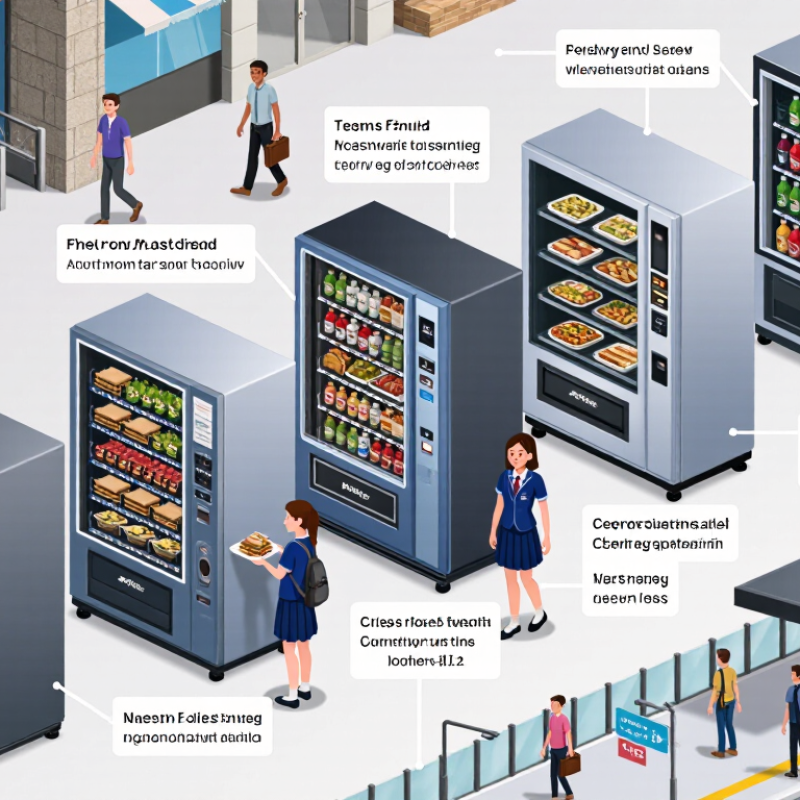
Why Are Food Vending Machines a Smart Global Investment?

Market Growth and Global Demand for Food Vending Machines

Why Are Food Vending Machines a Smart Global Investment?

Market Growth and Global Demand for Food Vending Machines

Food vending machines are moving beyond train stations and office lobbies. Demand is growing in hospitals, universities, residential buildings, and busy transport hubs. Consumers want quick meals, clear prices, and access outside traditional opening hours. In many cities, compact machines can serve areas that cannot support a full restaurant. Small spaces matter.

Market growth is also linked to changing work patterns. Employees may need breakfast at 6 a.m. or a meal after midnight. Fresh sandwiches, salads, snacks, and chilled drinks can meet these needs when managed carefully. Operators can track sales by product, location, and time. This data supports better stock planning and reduces avoidable waste.

Global investment still requires local knowledge. Food preferences, payment habits, climate, and operating rules differ widely. Reliable refrigeration, regular cleaning, and transparent ingredient information are essential. Machines also need stable internet connections and fast maintenance support. The model is not flawless. Poor locations can produce weak sales, while unsold food can damage margins quickly. Investors should test one site, measure demand, and adjust the product mix before expanding. A practical plan includes energy costs, restocking routes, food safety procedures, and accessible customer support. Growth may be attractive, but disciplined operation determines whether demand becomes dependable revenue.

How Food Vending Machines Operate Across Different Markets

Food vending machines operate differently across markets, even when their hardware looks similar. Their core system is simple: store, monitor, dispense, and record each sale. A chilled unit tracks temperature throughout the day. Sensors flag low inventory or technical faults. Operators receive alerts quickly. Automation is not complete. Staff still inspect seals, expiration dates, and internal cleanliness. They also remove products before quality declines. This human check protects customers and reduces avoidable waste.

In office districts, machines often sell sandwiches, fruit cups, and quick breakfasts. Hospital locations may require clearer nutrition information and careful allergen labeling. Transit areas need fast payment and strong physical security. Rural sites may depend on fewer deliveries and longer shelf-life products. Cashless payments are common, but local access differs. A reliable operator supports several payment options. Menus should reflect regional diets, working hours, and purchasing habits. Small details matter.

Climate also changes daily operation. Hot, humid conditions can increase cooling demand and spoilage risks. Cold regions may require protected payment screens and insulated storage. I have seen operators overestimate foot traffic near attractive locations. That mistake created slow sales and unnecessary disposal. Better planning uses local traffic counts, purchase data, and seasonal testing. Forecasts remain imperfect, though. Customer behavior can shift after construction, weather changes, or new workplace policies. Regular inspections, transparent records, and trained service staff help keep the machine dependable across markets.

Key Advantages for Investors and Business Owners

Why Are Food Vending Machines a Smart Global Investment?

For investors, food vending machines offer a compact route into unattended retail. Grand View Research valued the global vending machine market at about USD 21.8 billion in 2023. It also projects a 10.7% compound annual growth rate from 2024 to 2030. These figures indicate strong demand, but they do not guarantee profit.

Location remains the main business variable. A machine near offices, hospitals, universities, or transport hubs can capture short, repeated purchases. Owners can test demand with limited inventory before expanding. Digital payment records also reveal which meals sell, when queues form, and which products expire. Small footprints reduce rent pressure. Staffing needs may also fall. Not always.

Food vending creates operational advantages beyond simple convenience. Temperature monitoring, scheduled replenishment, and sealed packaging can support consistent food-safety procedures. The World Health Organization emphasizes temperature control and hygienic handling as critical food-safety measures. Investors should therefore budget for cleaning, maintenance, refrigeration checks, insurance, and local compliance. Ignoring these costs is a common planning weakness.

According to Allied Market Research, the wider vending machine market could reach approximately USD 37.2 billion by 2031, supported by cashless payments and automated retail demand. However, forecasts are not field experience. A machine can look attractive in a spreadsheet and still fail beside a quiet entrance. Trial placement, daily sales tracking, waste measurement, and honest customer feedback make the investment more reliable.

Why Are Food Vending Machines a Smart Global Investment? - Key Advantages for Investors and Business Owners

Investment Dimension Verified Data Point Why It Matters Business Implication Reference
Expanding Market Opportunity The global vending machine market was estimated at approximately US$21.0 billion in 2023 and is projected to grow at about 10.7% annually from 2024 to 2030. A growing market can create more room for new locations, specialized food concepts, and regional operators. Investors can enter a scalable retail segment without requiring a traditional storefront for every sales point. Grand View Research, Vending Machine Market Report
Low Space Requirement A vending point generally requires only a small floor area compared with a conventional convenience store or food outlet. Lower space requirements can reduce rental exposure and make high-traffic locations easier to access. Suitable locations may include offices, hospitals, universities, transport hubs, residential buildings, and factories. Industry operating model comparison; location requirements vary by machine format and local regulation.
Extended Selling Hours Automated retail equipment can operate outside standard staffed-store hours, subject to electricity, maintenance, security, and site-access conditions. Sales opportunities are not limited to a conventional daytime schedule. The model can serve shift workers, commuters, students, and late-hour customers with fewer staffing hours. Operational characteristic of unattended retail; actual availability depends on the host site.
Digital Payment Readiness 76% of adults worldwide made or received a digital payment in 2021, up from 35% in 2014. Contactless and mobile payment adoption supports faster transactions and can reduce dependence on cash handling. Machines equipped with card, mobile-wallet, and QR-payment options can serve more customers and improve transaction tracking. World Bank, Global Findex 2021
Urban Customer Density Approximately 56% of the world’s population lived in urban areas in 2021; the United Nations projects this share to reach about 68% by 2050. Dense urban environments concentrate potential customers and shorten the distance between machines and demand. Strategic placement near workplaces, education facilities, healthcare sites, and transport networks can improve convenience and utilization. United Nations, World Urbanization Prospects
Labor Efficiency One automated unit can sell products without requiring a dedicated cashier to be present continuously. Automation can reduce the labor intensity of repetitive checkout activities, although replenishment and maintenance still require personnel. Operators can manage multiple locations through route planning, remote monitoring, and scheduled restocking. Operational principle; labor savings depend on sales volume, product mix, route density, and local wages.
Inventory and Data Visibility Connected machines can record sales, product-level inventory, payment status, temperature alerts, and service events in near real time. More timely information supports faster replenishment and reduces avoidable stockouts. Data can be used to adjust product assortment, pricing, delivery frequency, and location strategy. Technology capability; functions vary by machine hardware, software, and connectivity.
Food Waste Reduction Potential An estimated 1.05 billion tonnes of food were wasted globally in 2022, with food services, households, and retail contributing to the total. Smaller, data-informed inventories can help operators match stock levels more closely with actual demand. Shorter replenishment cycles, dynamic markdowns, and carefully selected product formats may improve sell-through and reduce disposal. UNEP, Food Waste Index Report 2024
Portfolio Scalability A vending network can be expanded one machine or one location at a time rather than requiring a complete store rollout. Incremental expansion allows operators to test locations and product categories before committing more capital. A disciplined rollout can use location-level sales, gross margin, service cost, and product-waste data to guide future investment. Business-model characteristic; financial results vary by country, location, product mix, and operating structure.

Note: Market figures are published estimates and projections. Actual investment returns depend on equipment cost, rent or revenue-sharing terms, permits, taxes, maintenance, payment fees, replenishment costs, product shelf life, and location traffic.

Technology, Product Selection, and Customer Convenience

Why Are Food Vending Machines a Smart Global Investment?

Technology makes food vending more responsive and easier to manage across different markets. Modern machines can track inventory, monitor temperature, and report technical problems remotely. Digital payments also reduce waiting time and support several local payment methods. Reliable refrigeration matters greatly. A warm sandwich can damage trust within minutes.

Product selection requires local evidence, not guesswork. Operators should study commuter habits, school schedules, workplace routines, and seasonal demand. Fresh meals may perform well near offices, while sealed snacks may suit transport hubs. Smaller portions can serve customers seeking affordable choices. Clear nutrition information helps people decide quickly. But taste still matters most. A perfectly labeled product may remain unsold if it feels unfamiliar.

Customer convenience depends on more than speed. Machines need readable screens, bright lighting, simple instructions, and safe access for people with disabilities. A nearby service team can prevent small faults from becoming lost sales. Operators should also review sales data frequently, because yesterday’s popular item may fail next month. This is where investment becomes less automatic. Technology provides useful signals, but human judgment remains necessary. Local food rules, hygiene standards, and payment regulations must guide every installation. Pilot testing is wiser than placing many machines at once. A few disappointing products are acceptable; repeated waste is not.

Risks, Regulations, and Long-Term Investment Potential

Food vending machines can offer steady access to meals in offices, hospitals, campuses, and transport hubs. Grand View Research estimates the global vending machine market could grow at about 10% annually through 2030. However, food creates stricter operating risks than packaged drinks. Fresh meals need reliable refrigeration, clear expiry labels, and disciplined stock rotation. One missed temperature check can turn a profitable location into a costly liability.

Regulation is often the real investment test. The U.S. FDA Food Code recommends cold holding at 41°F (5°C) or below. Local authorities may also require food-handler training, allergen disclosure, sanitation records, and inspection access. The World Health Organization reports that contaminated food causes about 600 million illnesses each year. That figure makes weak cleaning routines impossible to dismiss. Sensors can record temperatures, but they cannot repair a broken seal or remove spoiled inventory. Human checks still matter.

Long-term returns depend on location quality, service routes, and compliance costs. A machine beside a busy hospital entrance may outperform one in a quiet office corridor, even with similar equipment. Site data should include daily transactions, peak hours, product waste, and payment failures. I would also stress-test electricity prices and repair delays. Forecasts are useful, not certain. Market reports often differ because they define “vending” differently. Investors should compare assumptions carefully, reserve cash for maintenance, and treat food safety as an operating asset rather than paperwork.

Why Are Food Vending Machines a Smart Global Investment?

Global urbanization is creating denser customer environments for unattended food retail. More concentrated populations can support convenient vending locations in workplaces, transport hubs, hospitals, schools, and residential areas.

The opportunity is long term, but returns depend on local demand, food-safety permits, tax rules, product restrictions, accessibility requirements, maintenance costs, and location-specific operating regulations. Urbanization is a structural demand signal, not a guarantee of investment performance.

Source: United Nations, World Urbanization Prospects 2018 Revision. 2018 is an estimate; 2030 and 2050 are projections.