What Are the Top Frozen Vending Machine Types in 2026?
What Are the Top Frozen Vending Machine Types in 2026?
The frozen vending machine market is moving beyond simple ice cream dispensers. New models now serve frozen meals, desserts, fruit cups, protein products, and regional specialties. Each type handles temperature control, product rotation, payment, and customer access differently.
“Cold-chain reliability decides whether convenience becomes trust,” says Mark Stein, a veteran unattended-retail consultant. His point is practical. A machine may look modern, yet one failed freezer cycle can damage product quality and customer confidence.
In 2026, the leading categories include soft-serve ice cream machines, packaged frozen-food kiosks, frozen meal dispensers, and hybrid units with refrigerated and frozen sections. Some use robotic retrieval systems. Others rely on spirals, conveyors, or compact drawer mechanisms. The best choice depends on product shape, serving speed, cleaning needs, and location traffic.
A busy railway station may favor fast-moving desserts. A university could benefit from frozen meals and healthier snacks. Outdoor placement creates harder problems. Sun exposure, dust, power stability, and maintenance access cannot be treated as minor details.
The technology is impressive.
Still, not every feature adds value.
Operators should examine real operating data, not only glossy demonstrations. Energy consumption, defrost cycles, temperature alerts, payment reliability, and refill time matter every day. Product waste also deserves attention, especially when demand changes during holidays or extreme weather.
This guide compares the top frozen vending machine types in 2026. It also considers where each format performs well, where it struggles, and which promising ideas may need more proof before wider adoption.
Frozen Vending Categories Defined by Product Format and USDA’s 0°F Standard
What Are the Top Frozen Vending Machine Types in 2026?
Frozen Vending Categories Defined by Product Format and USDA’s 0°F Standard
Frozen vending in 2026 is moving beyond simple ice cream cabinets. The strongest categories follow product format, portion size, and temperature needs. FMI’s 2024 Power of Frozen report places U.S. frozen retail sales above $87 billion in 2023. That scale supports more specialized vending equipment.
Packaged frozen desserts remain highly suitable for compact spiral machines. They need clear glass, reliable portion control, and quick door recovery. Frozen ready meals require wider compartments and stronger inventory rotation. A meal tray may need a flat shelf, not a spiral coil. Frozen proteins and vegetables fit larger lockers, especially near workplaces or residential buildings. They create less impulse appeal, but offer practical convenience.
USDA Food Safety and Inspection Service guidance recommends maintaining freezers at 0°F or below. This is a storage standard, not a promise that every product should be served at that temperature. Frozen beverages and soft-serve products often use different operating ranges. They need controlled dispensing, sanitation checks, and tighter temperature monitoring. That distinction is easy to miss.
In practice, the best machine type depends on the product’s shape and thaw sensitivity. Temperature logs, alarm testing, and documented cleaning should support every installation. I would not classify a machine by appearance alone. A frozen cabinet can look efficient while losing quality during frequent door openings. Industry forecasts often emphasize automation, yet field performance still depends on maintenance discipline.
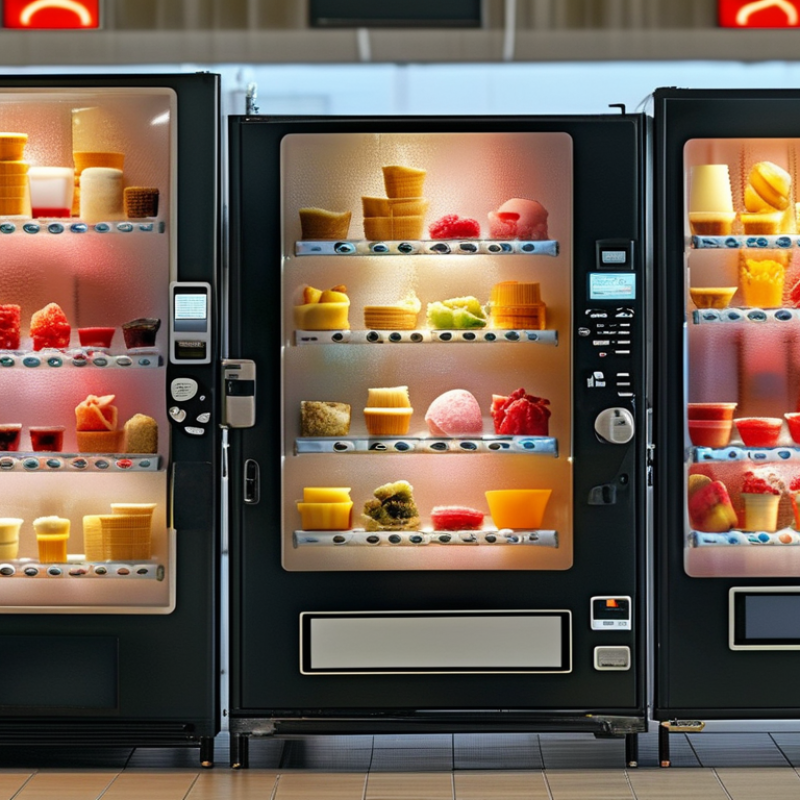
How to read this chart: Frozen vending categories are grouped by product format rather than by company or brand. The USDA recommends keeping a freezer at 0°F (-18°C) or below for frozen-food storage. Actual machine settings may be colder depending on the product, packaging, and local food-safety requirements. These categories represent common frozen retail formats, not a market-share ranking.
Reference: USDA Food Safety and Inspection Service guidance on maintaining freezers at 0°F (-18°C) or below.
Ice Cream Vending Machines: Demand for Single-Serve Frozen Desserts
In 2026, ice cream vending machines are moving beyond novelty displays. The strongest demand comes from single-serve frozen desserts: cups, bars, sandwiches, and small tubs. They fit quick decisions, controlled portions, and limited storage space. A customer can choose a chilled treat near a cinema, campus, hospital, or transport hub. That convenience matters when staff service is unavailable. It is simple, but powerful.
Several machine types support this demand. Frozen packaged-product machines use separate spirals, shelves, or lift systems to reduce crushing. Glass-front freezers make products visible, while temperature sensors help protect texture. Some compact units combine payment controls, remote stock alerts, and automatic defrost cycles. High-traffic locations may prefer larger multi-temperature cabinets, but they need more floor space and closer maintenance. Operators should check recovery time after frequent door openings, not only the advertised capacity.
From an operational view, single-serve formats can reduce handling and make inventory easier to count. Clear allergen labeling, sealed packaging, and stable freezing temperatures remain essential. Product mix should reflect local habits; one site may sell more fruit ice pops, while another favors dairy desserts. Trial periods are useful. Early sales can mislead when weather changes. Machines also fail in ordinary ways: a jammed spiral, a dirty sensor, or an empty receipt roll. Regular inspection builds trust, although perfect uptime is an unrealistic promise. The better question is how quickly an operator notices and fixes a small failure.
Frozen Meal Vending Machines: Safe Storage at or Below 0°F
Frozen meal vending machines are becoming a practical option for workplaces, campuses, hospitals, and residential buildings. Their main promise is simple: keep prepared meals frozen until purchase. Safe storage requires a stable temperature of 0°F or below, equal to -18°C. A cold-looking cabinet is not enough.
Reliable machines use insulated compartments, continuous temperature sensors, automatic alerts, and backup power planning. Operators should check temperature records daily, not only after a complaint. Frequent door openings can raise internal temperatures, especially during busy lunch periods. Meals should remain sealed, clearly dated, and arranged for first-in, first-out rotation. Small details matter.
Food safety is never fully automatic. A machine may display 0°F while warm spots develop near the door or loading area. That risk deserves attention. Staff should inspect packaging for leaks, ice buildup, damaged seals, and signs of partial thawing. If a meal becomes soft, it should not be casually refrozen for sale. Local food-safety guidance should support the operating procedure, especially for cleaning, transport, and temperature failures.
The best frozen meal vending machines also make maintenance visible. They provide access for cleaning coils, checking sensors, and removing expired products. A useful record includes loading time, temperature readings, corrective actions, and staff initials. It may feel excessive. Yet these records build trust and reveal problems before customers do.
Frozen Meat and Seafood Machines: Applying FDA 41°F Cold-Holding Rules
What Are the Top Frozen Vending Machine Types in 2026?
Frozen meat and seafood vending machines now use insulated compartments, digital temperature displays, and automatic alerts. Glass-front models help customers inspect sealed cuts before purchase. Drawer-style machines protect smaller portions from repeated door opening. Some units separate seafood from meat to reduce cross-contact risks. This detail matters.
The FDA Food Code commonly requires cold-held food to stay at 41°F or below. Local authorities may adopt different editions or additional rules. Frozen products should remain properly frozen, while chilled items must stay within the required limit. Operators should place a calibrated thermometer inside the warmest area, not beside the cooling outlet. A machine display alone is not enough. Record temperatures during opening, restocking, and closing. Keep these logs available for inspection.
Loading technique affects safety. Warm boxes can raise the cabinet temperature quickly. Use pre-chilled products, leave airflow gaps, and limit door-open time. Seafood packages need secure seals because liquid leaks can spread contamination. Clean handles, shelves, and drip areas on a documented schedule. Set an alarm near the limit, not after it. One weak point remains: sensors can drift. I would verify them with an independent thermometer every week and after service. Even careful operators sometimes overlook a blocked vent. That mistake deserves review, not excuses.