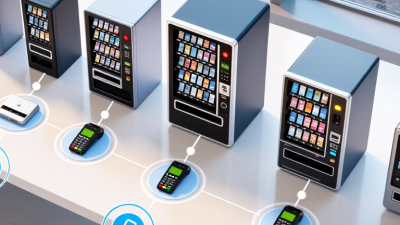
How to Choose a Vending Card Reader for Global Markets

Choosing a vending card reader for global markets is not simply a hardware decision. It affects sales, customer trust, maintenance costs, and daily route operations. A reader that performs well in a busy London station may struggle in a rural location with weak mobile coverage. Market conditions vary sharply.

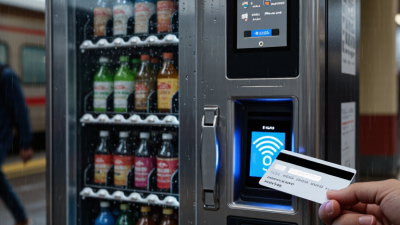
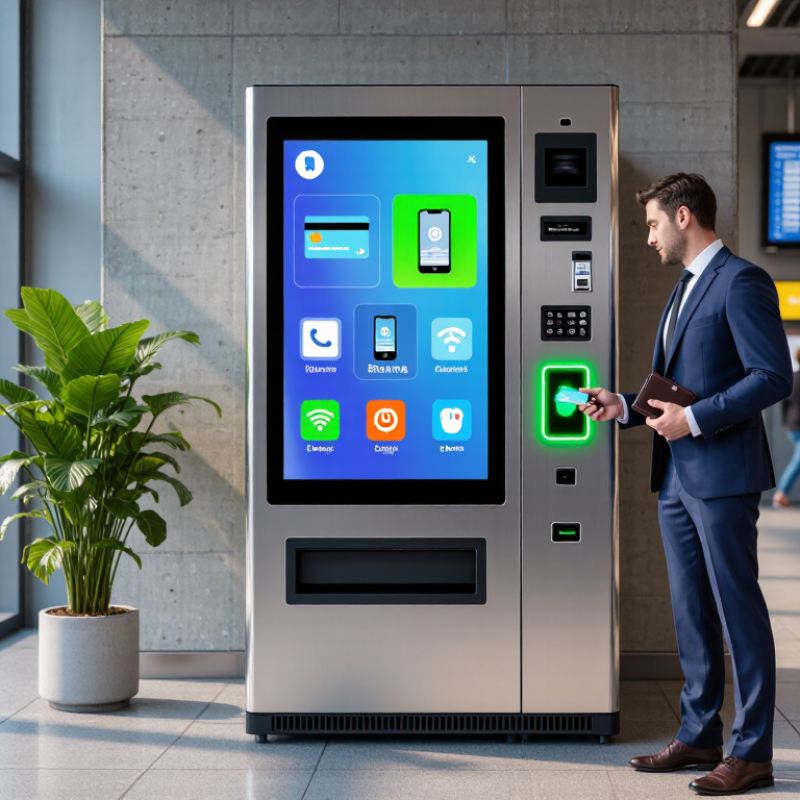
Yair Nechmad, co-founder and CEO of Nayax, has often emphasized this payment principle: “The customer experience must be simple, fast, and secure.” That idea matters when selecting a vending card reader. Shoppers expect contactless payments, mobile wallets, and clear transaction feedback. Operators also need reliable connectivity, remote monitoring, encryption, and support for local currencies. A bright display, audible confirmation, and a quick green light can prevent hesitation beside a machine. Small details matter.

Global deployment requires practical testing, not attractive specifications alone. Check whether the terminal supports regional payment networks, local certification requirements, and common wallet systems. Confirm its operating range before placing it in an outdoor machine. A reader may claim strong connectivity, yet fail inside a metal cabinet or underground station. That happens.

The right choice also depends on the product, location, and service model. Low-cost equipment can become expensive after repeated technician visits. Premium hardware may be unnecessary for a small pilot. Operators should compare transaction fees, software subscriptions, warranty coverage, installation needs, and replacement procedures. Security deserves equal attention, especially when devices process customer payments. No solution is perfect. Even experienced teams can overlook language settings, climate exposure, or rural connectivity. A careful pilot in two different markets can reveal these weaknesses before a wider rollout.
How to Choose a Vending Card Reader for Global Markets

Define Market Requirements and Vending Environment

How to Choose a Vending Card Reader for Global Markets

Define Market Requirements and Vending Environment

Market selection begins with payment behavior, not hardware specifications. The Worldpay Global Payments Report 2024 found that digital wallets represented about 30% of global point-of-sale transaction value in 2023. However, cash remains important in many regions. A reader should therefore support local payment preferences, contactless cards, mobile wallets, and reliable cash alternatives where required.

Study the machine’s physical location carefully. An outdoor machine may face rain, dust, direct sunlight, and temperatures below freezing. An indoor reader may need stronger protection against repeated cleaning and heavy daily use. Record network coverage at each site. Weak cellular service can delay authorization and frustrate customers. Offline transaction handling may help, but it requires strict risk controls and clear limits.

Small details matter.

The reader should accept gloved taps, provide visible status feedback, and recover quickly after power interruptions. Payment terminals also need security controls aligned with current payment industry standards, including PCI DSS requirements. The PCI Security Standards Council’s PCI DSS v4.0.1 emphasizes stronger authentication, monitoring, and documented security practices. Local currency display, language settings, receipts, tax rules, and refund workflows also require review.

A pilot test is essential. Test during peak hours, rain, poor signal, and low temperatures. Our first configuration may still fail in real conditions. That is useful evidence, not a final answer. Recheck transaction completion, maintenance time, and customer errors before scaling across markets.

Compare Payment Methods, Currencies, and Regional Compatibility

How to Choose a Vending Card Reader for Global Markets

A global vending reader must match how customers actually pay. Support contactless cards, chip cards, mobile wallets, and local QR methods. Cashless convenience fails when one popular option is missing. Test payments with low-value transactions in each target market. Observe speed, declined-payment messages, and receipt behavior.

Currencies require careful planning. Show prices in the customer’s local currency and confirm settlement requirements with your payment provider. Avoid assuming one currency setting fits every country. Some markets need local acquiring, regional tax details, or specific receipt information. Exchange rates can change quickly. Transparent conversion details build trust, especially when customers use international cards.

Tips: Test the reader beside a real vending machine. Check weak network coverage, cold temperatures, and crowded payment periods. Confirm local certifications, wireless compatibility, language support, and data-security controls before deployment. Use tokenization and encrypted communication, with remote software updates managed securely. Keep a fallback process for temporary outages, but do not rely on offline approvals without reviewing financial risk. Regional testing may expose problems that laboratory checks miss. This is where planning often becomes imperfect. A reader can pass technical tests yet confuse customers with unfamiliar prompts. Improve the interface after observing real users, not only after reading specifications.

Evaluate Connectivity, Security, and Regulatory Compliance

A vending card reader must stay connected beside metal panels, refrigeration units, and unstable outdoor signals. The Mobile Economy 2024 report counted 4.7 billion mobile internet users in 2023, yet coverage quality still varies sharply by country. Choose a reader supporting multiple networks, automatic carrier switching, and secure Wi-Fi fallback. Test roaming costs and reconnection time with a live machine. A single SIM is still tempting. It is a weak assumption.

Security needs practical testing, not only specification sheets. The 2024 Data Breach Investigations Report found that human involvement appeared in 68% of breaches. Use encrypted communication, tokenized payment data, signed software updates, and remote tamper alerts. Confirm that the device meets PCI PTS requirements and supports PCI DSS v4.0 controls. Review key rotation procedures. Many procurement teams overlook them. They should not.

Regulatory compliance changes with the payment flow and location. Check local rules for strong customer authentication, receipts, data retention, accessibility, and consumer refunds. The World Payments Report 2024 recorded over 1.3 trillion non-cash transactions globally in 2023, increasing pressure on reliable acceptance. Keep transaction data minimal, define deletion periods, and document processor responsibilities under privacy laws. Ask for independent test evidence, not broad claims. I would also pilot readers in three markets before scaling. Lab results can hide real-world failures, especially after a network outage.

Assess Hardware Durability, Installation, and Maintenance Needs

Choosing a vending card reader starts with the cabinet, not the payment screen. Outdoor machines face rain, dust, sunlight, vibration, and sudden temperature changes. Request documented IP and IK ratings, operating temperatures, and salt-fog testing. A bright screen can still fail in direct afternoon sunlight. Ask for readable specifications, not sales language.

Worldpay’s 2024 Global Payments Report found that digital wallets represented 30% of global point-of-sale transaction value in 2023. Therefore, support for contactless payments is essential in many markets. However, payment behavior differs by country. Select readers that support relevant contactless, chip, and mobile-wallet methods without adding unnecessary hardware. PCI SSC’s PTS POI requirements also provide a useful security benchmark. Installation deserves equal attention. Check cable routes, mounting depth, cellular coverage, and service access before drilling. A reader that needs cabinet removal for every repair will create expensive downtime. Remote diagnostics can identify failed connections, weak signals, or repeated payment errors.

Tips: Test one machine through a hot day, heavy rain, and repeated customer use. Record installation time and cleaning effort. Ask technicians to replace a reader wearing gloves. No checklist is perfect. I would still challenge optimistic uptime claims, especially in remote locations. NAMA’s vending industry research shows how widely machines operate across workplaces, schools, and public spaces. That variety makes local service training and spare-part storage practical requirements, not optional extras.

Calculate Total Cost, Scalability, and Long-Term Support

Choosing a vending card reader for global markets requires more than comparing purchase prices. Calculate hardware, installation, cellular connectivity, transaction fees, currency conversion, certification, maintenance, and replacement costs. The cheapest quote often wins the spreadsheet. That is a trap.

Worldpay’s Global Payments Report 2024 found that digital wallets represented about 50% of global e-commerce transaction value and 30% of point-of-sale value in 2023. A reader should therefore support contactless cards and widely used wallet formats. Local payment preferences matter too. Test each market before committing to large volumes. A small pilot can expose failed authorizations, weak signals, or confusing refund flows.

Scalability depends on remote configuration, centralized reporting, flexible APIs, and reliable offline transaction handling. Ask how quickly firmware updates reach every machine. Also check whether the supplier provides spare units, local technicians, multilingual support, and a documented service-level agreement. PCI Security Standards Council guidance makes security maintenance a continuing responsibility, not a one-time installation task. Support costs are easy to underestimate. I would also model failure rates honestly, because perfect uptime assumptions rarely survive winter weather, poor reception, or unattended machines. Long-term value comes from predictable support, transparent fees, and hardware that can adapt without complete replacement.