How to Choose Snack Machines for Global Buyers in 2026?

Choosing snack machines for global buyers in 2026 is not simply a price comparison. A machine that performs well in a cool European office may struggle in a humid coastal warehouse. Real purchasing decisions involve product mix, voltage, payment systems, delivery routes, and daily maintenance. This guide approaches snack machines from the buyer’s working reality: the loading door, the crowded hallway, and the technician’s first service visit. Small details matter. Very much.

Reliable selection requires practical experience and verified technical knowledge. Buyers should check capacity, energy use, cooling performance, payment compatibility, accessibility, and cleaning procedures. A machine for chocolate bars needs different temperature control from one selling fresh sandwiches. Destination requirements also deserve careful review. Electrical safety, food handling, labeling, recycling, and payment-data rules may differ between markets. Suppliers should provide clear specifications, test reports, warranty terms, and service contacts. Independent inspection can add confidence.

No checklist is perfect. A supplier’s brochure may look convincing, yet hide slow parts delivery or difficult software updates. Buyers should ask for installation examples, maintenance records, spare-parts availability, and realistic response times. A small pilot order can reveal more than a polished presentation. It may also expose weak assumptions. That is useful. The best choice balances customer demand, local conditions, compliance expectations, operating costs, and long-term support. This introduction sets the direction for a practical comparison of machine types, supplier capabilities, and purchasing risks across international markets.
How to Choose Snack Machines for Global Buyers in 2026?

Understanding Global Snack Machine Types and Buyer Requirements

How to Choose Snack Machines for Global Buyers in 2026?

Global snack buyers need more than attractive cabinets. They need machines suited to local habits, climates, and infrastructure. Spiral machines work well for packaged snacks with clear shapes. Refrigerated models suit sandwiches, fruit cups, and chilled drinks. Combination machines save floor space, but their mixed temperature needs can raise maintenance costs. Grand View Research estimates the global vending machine market will grow strongly through 2030, showing rising demand for flexible self-service equipment.

Buyer requirements differ sharply across markets. A machine for a busy airport may need high capacity, multilingual screens, and rapid cashless payments. A rural installation may need offline payment options and simple remote monitoring. Worldpay’s Global Payments Report 2025 states that digital wallets represented 53% of global e-commerce transaction value in 2024. That figure supports cashless readiness, but it does not mean every customer uses a phone. Local currency support, voltage compatibility, cooling performance, and spare-part access remain practical concerns. Small details matter.

Tips: Test product dimensions before selecting spiral widths. Confirm the machine’s temperature range. Ask for local service response times. Review food-contact materials and cleaning access. Do not trust a perfect sales chart. Pilot one machine first, because real purchasing behavior can surprise even experienced buyers. Sources: Grand View Research, Vending Machine Market Size Report, 2024; Worldpay, Global Payments Report, 2025.

How to Choose Snack Machines for Global Buyers in 2026?

Understanding Global Snack Machine Types and Buyer Requirements

The chart compares representative product capacity by machine type. Values are approximate midpoints of commonly specified commercial capacity ranges and are intended to support early-stage global purchasing decisions. Actual capacity varies by product size, shelf configuration, cooling system, and local compliance requirements.

Evaluating Capacity, Features, and Product Compatibility

When choosing snack machines for global buyers in 2026, capacity should match purchasing rhythm, not showroom appeal. NAMA’s 2022 Industry Census valued U.S. vending sales at about $18.2 billion. This reflects the scale of frequent, small transactions. High-capacity cabinets suit airports and factories with short replenishment windows. Smaller units may work better in hotels, clinics, and offices with uneven demand. Measure twice. Use a seven-day sales log, then reserve 15–20% of slots for seasonal changes. That buffer is practical, although holiday demand can break the estimate.

Features should reduce service work. Remote inventory alerts, cashless payment, temperature logging, and anti-jam delivery can protect uptime. Grand View Research projected continued global vending-machine market growth through 2030. However, growth does not prove every feature is useful. Ask about fault rates, offline payment behavior, and local network support. Test it. A machine handling cans may crush thin pouches or reject wide cartons. Check product height, width, weight, packaging stiffness, and expiry rotation. Refrigerated models need stable temperature control. Chocolate snacks may soften in warm corridors.

Product compatibility also depends on local assortment. GS1 retail standards support consistent barcode identification, but scanners still need testing under glare, condensation, and damaged labels. Operators often overvalue capacity and undervalue refill ergonomics. I have made that mistake. A deep column looks efficient until one stuck item blocks several sales. Choose adjustable spirals, clear product mapping, and easy cleaning access. Keep test sheets, temperature records, and three weeks of sell-through data. The cheapest configuration is not always the lowest-cost operation.

Comparing Energy Use, Maintenance, and Operating Costs

How to Choose Snack Machines for Global Buyers in 2026?

Comparing Energy Use, Maintenance, and Operating Costs

A reliable snack machine should fit the local power supply, climate, and service network. Compare annual energy consumption, not only the wattage printed on the specification sheet. A machine using 1.2 kWh daily can cost very differently across countries. Check electricity rates, voltage stability, and standby consumption before ordering.

In hot, humid locations, efficient cooling may reduce spoilage and unexpected repairs. I have seen buyers focus on purchase price, then discover that poor ventilation increases energy use. That mistake is expensive.

Tips: Request independent energy data, maintenance schedules, and spare-part prices. Ask for a three-year operating-cost estimate. Include transport, payment-system fees, cleaning labor, and possible import charges. Test the machine with real products and local voltage when possible. Small details matter.

Maintenance often decides whether a machine earns money or becomes an empty cabinet. Choose accessible components, clear fault codes, and cleaning procedures that staff can learn quickly. Review response times for technical support and confirm whether qualified technicians are available locally.

Keep records of temperature, errors, refill frequency, and downtime during the first ninety days. These records reveal actual performance better than sales projections.

Still, forecasts can be wrong. Customer traffic changes, and some popular locations fail without warning. A careful buyer leaves room for those uncomfortable surprises.

Checking Safety Standards, Payment Systems, and Local Regulations

How to Choose Snack Machines for Global Buyers in 2026?

Safety should be checked before appearance or capacity. Ask for test reports covering electrical safety, fire resistance, and food-contact materials. Confirm that the machine matches the destination’s voltage, plug type, and climate. A humid coastal location may need stronger corrosion protection. Check temperature records for chilled snacks, not just the advertised cooling range. Visit the factory or request clear inspection videos when possible. Paperwork can look complete and still miss a critical detail.

Payment systems require practical testing. Support local currency, contactless cards, mobile wallets, and secure QR payments where permitted. Verify encryption, transaction records, refund controls, and payment data handling. A cash option may still matter in areas with unreliable networks. Test the machine during a weak connection. Payment compliance requirements can differ by country, so obtain advice from a qualified local provider. Do not assume one terminal works everywhere.

Local rules can affect installation, labeling, taxes, accessibility, and consumer protection. Some cities require operating permits or specific placement approvals. Product labels may need local languages, allergen details, nutrition information, and expiry dates. Check whether receipts must show tax information. A small pilot can reveal problems with delivery access, maintenance response, and customer habits. I have learned that a technically excellent machine may fail because replacement parts arrive slowly. A perfect checklist does not exist. Review the plan after real sales data, not before.

Planning Delivery, Installation, Support, and Long-Term Value

How to Choose Snack Machines for Global Buyers in 2026?

Planning Delivery, Installation, Support, and Long-Term Value

Choosing snack machines in 2026 requires more than comparing prices and screen sizes. For global buyers, delivery planning is a practical risk. Ask for packed dimensions, gross weight, loading methods, and estimated customs documents. A machine may fit a showroom but fail at a narrow doorway. Confirm voltage, plug type, climate conditions, and local electrical requirements before payment. Create a receiving checklist. Photograph damage immediately.

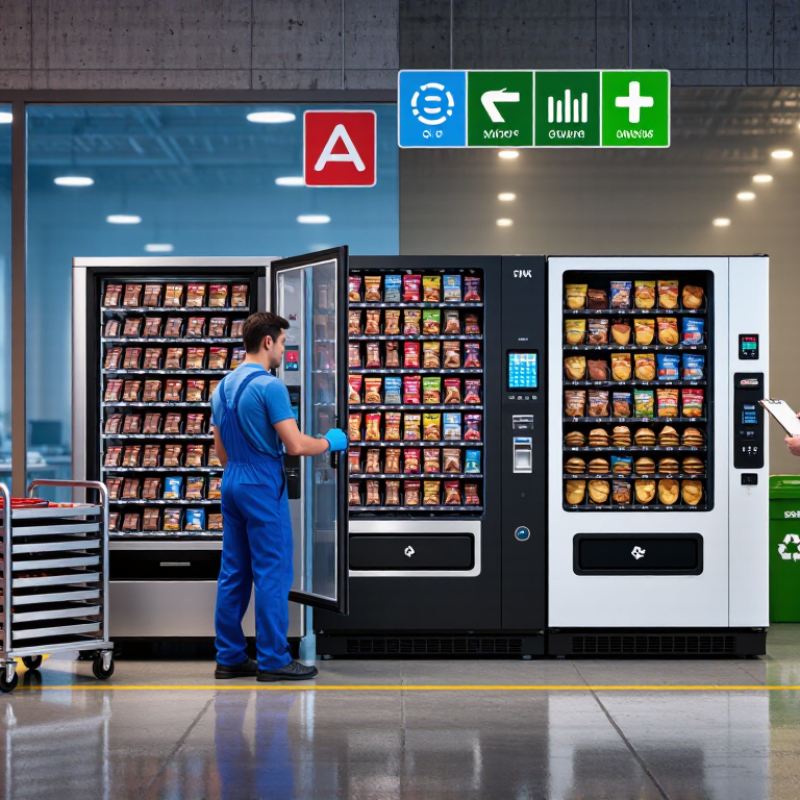
Installation should be planned before the machine leaves the factory. Request wiring diagrams, anchoring instructions, software guides, and recommended floor clearance. A local technician can verify power stability, ventilation, and safe customer access. Leave enough space for door opening and routine cleaning. Training should cover restocking, payment checks, temperature settings, and basic fault reporting. Keep a short video guide for new staff. This step is often underestimated. That mistake costs time.

Reliable support matters after the first sale. Get written response times, warranty limits, spare-parts availability, and service procedures. Remote diagnostics help, but they cannot replace local technical support. Long-term value depends on refill rates, energy use, maintenance hours, and downtime. Track these figures monthly. Review unexpected repairs honestly. No plan is perfect. Our own forecasts may miss seasonal demand or delayed parts. A cheaper machine may become expensive when one small component stops operation. Ask how support works on an ordinary Tuesday, not only during a sales meeting.

How to Choose Snack Machines for Global Buyers in 2026? – Planning Delivery, Installation, Support, and Long-Term Value

Machine Category Typical Capacity Typical Footprint Power Planning Best-Fit Locations Delivery Planning Installation Needs Long-Term Value Factors
Spiral Snack Machine Usually 30–60 product selections; approximately 150–300 items, depending on package size Approximately 0.8–1.2 m wide × 0.8–1.0 m deep × 1.8–2.0 m high Commonly 100–240 V AC; generally a standard grounded outlet; confirm local frequency and plug type Offices, schools, hospitals, transport areas, factories, and residential buildings Allow for export crating, customs clearance, lift-gate or forklift access, and final placement before dispatch Level floor, electrical connection, product loading, payment setup, and basic operational testing Simple mechanism, broad snack compatibility, easy planogram changes, and relatively straightforward maintenance
Glass-Front Snack Machine Often 40–70 selections; approximately 200–350 items, depending on shelf configuration Approximately 0.9–1.3 m wide × 0.8–1.0 m deep × 1.8–2.0 m high Usually 100–240 V AC; verify rated power, electrical protection, and regional certification requirements High-traffic indoor sites where product visibility and premium presentation influence sales Glass protection, shock-resistant packaging, and extra handling care may be required during international transport Careful leveling, glass inspection, shelf adjustment, payment configuration, and staff training High product visibility, flexible shelf layout, attractive presentation, and suitability for higher-margin products
Refrigerated Snack Machine Commonly 30–60 selections; capacity varies with bottle, can, and packaged-food dimensions Approximately 0.9–1.3 m wide × 0.8–1.0 m deep × 1.8–2.0 m high Higher energy demand than ambient machines; confirm cooling performance, ambient-temperature range, and refrigerant compliance Gyms, hospitals, campuses, offices, factories, hotels, and locations selling chilled food or beverages Use temperature-sensitive cargo planning where required; avoid prolonged storage in uncontrolled heat or freezing conditions Adequate ventilation clearance, stable power, temperature verification, drainage assessment where applicable, and commissioning Broader product mix and higher purchase frequency, balanced against energy use and cooling-system maintenance
Combo Snack and Beverage Machine Typically 40–80 selections across snacks, cans, bottles, or packaged food Approximately 1.0–1.5 m wide × 0.8–1.0 m deep × 1.8–2.0 m high Power requirements depend on whether the beverage section is refrigerated; confirm total connected load Sites with limited floor space that need a wider product range from one service point Check doorway, elevator, corridor, and turning-radius measurements before ordering; shipping weight is often substantial More complex product configuration, cooling setup, payment testing, and operator training than ambient-only units Potentially higher revenue per location, but greater complexity, energy consumption, and spare-parts requirements
Outdoor-Rated Snack Machine Usually 30–60 selections; actual capacity depends on weather protection and product packaging Similar to indoor models, but may require additional clearance for canopy, anchoring, or service access Confirm weatherproof electrical design, surge protection, grounding, and temperature operating limits Outdoor campuses, sports facilities, parking areas, residential developments, and transport locations Plan for weather-resistant packing, secure unloading, site access, and possible local lifting equipment Anchoring, shelter or canopy assessment, drainage control, lighting, security review, and weather-seal inspection Location availability may be higher, but vandalism protection, corrosion resistance, cleaning, and security increase operating costs
Touchscreen Smart Machine Often 30–60 selections with digital menus, promotions, and optional remote monitoring Approximately 0.9–1.3 m wide × 0.8–1.0 m deep × 1.8–2.0 m high Confirm screen, controller, payment hardware, network equipment, and cooling loads as one connected system High-traffic environments where cashless payment, promotions, analytics, or remote management are valuable Allow time for software configuration, payment certification, network activation, and country-specific compliance checks Stable internet or cellular coverage, account setup, user-interface localization, payment testing, and cybersecurity controls Data visibility and cashless convenience can improve operations, but software updates and connectivity create ongoing dependencies
Planning note: Dimensions, capacity, power use, delivery timing, and installation requirements vary by configuration and destination country. Request a technical datasheet, packing dimensions, gross shipping weight, electrical specifications, warranty terms, spare-parts list, and local compliance documents before placing an international order.