How to Choose the Best Drink Machines for Your Business?

Choosing the right drink machines is a practical business decision, not just a question of style. The best choice depends on where customers buy, what they want to drink, and how often staff can restock. A chilled can machine beside a busy gym entrance serves a different need from a hot-drink machine in a quiet office. Small details matter: product capacity, payment options, cleaning access, and reliable service can shape daily performance.

Industry data can help frame the decision. The National Automatic Merchandising Association’s 2023 Industry Census estimated U.S. convenience services revenue at $26.6 billion. That figure covers more than beverage vending, so it should not be treated as a forecast for any single machine. Grand View Research estimated the global vending machine market at $21.4 billion in 2023 and projected continued growth through 2030. Its market scope is also broader than drink machines alone. These reports suggest a substantial, evolving sector, but they cannot tell you whether a particular location will be profitable.

Location matters. A lot. Before comparing models, track foot traffic, peak hours, available power, and the drinks customers actually request. Then compare capacity, energy use, payment systems, maintenance support, and total ownership costs. Forecasts have limits, and I’d be cautious about buying based on growth figures alone. A machine that looks impressive in a brochure may still be wrong for your site.
How to Choose the Best Drink Machines for Your Business?

Identify Your Business’s Beverage Needs and Service Goals

Start with the drinks customers actually request, not the machine features that look impressive. Track orders across busy and quiet shifts for a week. Count coffee, chilled water, tea, and other options separately. Small details matter. Do guests want quick self-service, or do they expect staff to prepare each cup? That difference affects capacity, placement, and cleaning time.

Estimate peak demand during the busiest 30-minute window, rather than relying on daily averages. A machine serving an office of 40 may struggle when everyone arrives at 8:30. Check counter space, outlets, water access, and ventilation before comparing equipment. Measure twice. Then decide who will refill ingredients, empty waste, and sanitize contact points. If nobody owns those tasks, even a capable machine can cause delays. That is easy to overlook.

Set a service goal you can observe, such as shorter queues, more drink choices, or consistent portions. Choose options that support that goal. Ask suppliers about realistic serving rates and routine maintenance, then test the workflow during a normal shift. Paper plans can miss awkward reach, noisy operation, or a refill door blocked by a chair. I would still expect to adjust the setup after seeing how staff and customers use it.

Compare Drink Machine Types and Their Best-Fit Uses

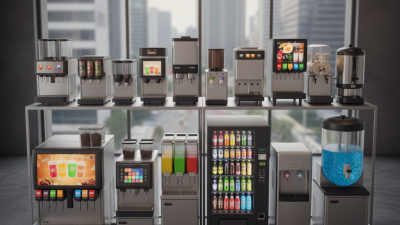
A drip coffee brewer suits offices, breakfast counters, and meeting rooms where people pour at different times. It handles steady demand with little training, though a carafe left on a hot plate can make coffee taste stale. A bean-to-cup machine grinds each serving and can reduce queues in compact cafés. Check cleaning steps and refill frequency before choosing; a machine with many options may slow service when staff are busy.

Cold beverage dispensers work well in cafeterias, gyms, and self-service areas with regular demand for chilled drinks. Clear tanks make flavors easy to identify, while removable parts help staff clean around nozzles and seals. They need enough counter space and dependable refrigeration. That matters. A dispenser may be a poor fit if sales are occasional, since leftover product and daily cleaning can outweigh its convenience.

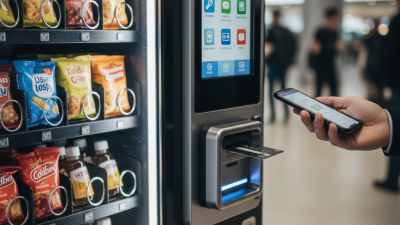
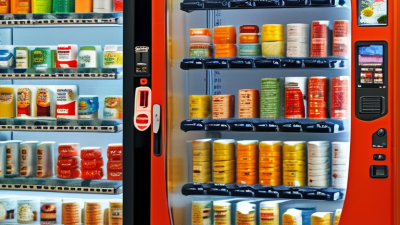
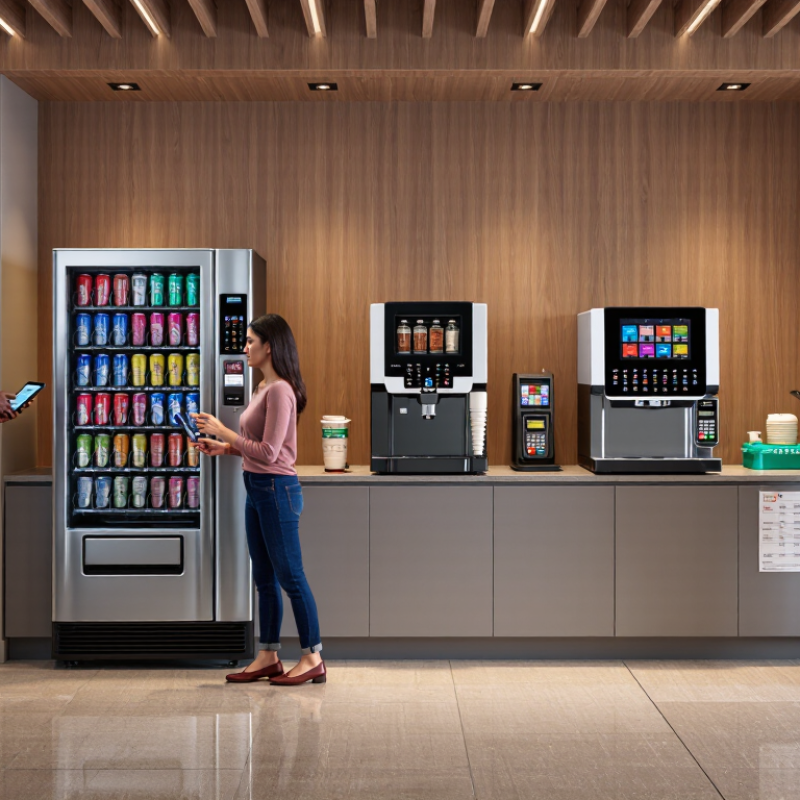
Vending machines suit hallways, workplaces, and locations with limited staff coverage. They offer packaged drinks throughout the day, but capacity, payment options, and restocking access affect their real usefulness. Measure the intended location, including door clearance and nearby power access. Then estimate peak demand, not just the daily average. The estimate may still miss a sudden rush. A short trial, where practical, can reveal whether users prefer chilled cans, hot drinks, or faster service.

Evaluate Capacity, Features, Space, and Utility Requirements

How to Choose the Best Drink Machines for Your Business?

Capacity should match real demand, not an optimistic sales forecast. Start with hourly orders during your busiest service period. A busy café may need a larger reservoir and faster dispensing speed. A small office may need less capacity but easier refilling. Include peak events, staff breaks, and unexpected rushes in your estimate. Do not guess blindly. Track actual drink sales for at least one week before purchasing.

Features should solve daily problems rather than create new tasks. Temperature control protects drink quality during long service hours. Easy-clean parts reduce residue around valves, seals, and drip trays. Clear controls help new employees work confidently. Energy-saving settings may lower utility costs, but only when they suit your operating schedule. I once chose a machine with many advanced settings. It looked impressive. Staff rarely used them, and training became harder.

Space and utilities require careful measurements. Record the machine’s height, width, depth, and required clearance. Leave room for cleaning and safe movement behind the unit. Check electrical voltage, outlet capacity, water access, drainage, and ventilation. A machine that fits the counter may still overload the circuit. Ask a qualified technician to verify installation requirements. Keep written records. They prevent expensive surprises later. Recheck your measurements before ordering. A small mistake can disrupt an entire service area.

How to Choose the Best Drink Machines for Your Business?

Compare capacity, features, space, and utility requirements before selecting equipment.

Machine Type Typical Capacity or Throughput Key Features Approximate Space Requirement (W × D × H) Typical Utility Requirements Best Suited For
Commercial Batch Coffee Brewer Commonly brews about 0.5–1.5 gal (1.9–5.7 L) per batch; actual hourly output depends on brew cycle and workflow. Batch brewing, insulated or heated servers, simple controls; some models support direct water connection. Approximately 8–16 × 16–24 × 18–32 in (20–41 × 41–61 × 46–81 cm), excluding servers and clearance. Often 120 V; larger units may require 208–240 V. Some models use a water reservoir, while others need a potable-water connection. Offices, cafés, diners, and self-service areas with steady demand for brewed coffee.
Bean-to-Cup Coffee Machine Bean hopper capacity is commonly around 1–3 lb (0.5–1.4 kg); drink output varies with drink size, recipe, and peak demand. Grinds beans and prepares drinks automatically; may offer programmable recipes, milk options, and self-service controls. Approximately 12–24 × 18–30 × 24–36 in (30–61 × 46–76 × 61–91 cm). Usually needs an electrical outlet; voltage and amperage vary. Water may come from a reservoir or a plumbed connection. Milk systems may require refrigeration and regular cleaning. Break rooms, hotels, and food-service counters seeking a broad coffee menu with limited barista labor.
Commercial Espresso Machine Usually configured with one to three brew groups. Practical drinks per hour depend heavily on staffing, grinder setup, and menu complexity. Espresso-based drinks, steam wands, and options such as volumetric dosing; grinders are generally separate equipment. Approximately 20–40 × 20–30 × 18–24 in (51–102 × 51–76 × 46–61 cm), depending on group count. Compact models may use 120 V; many larger machines require 208–240 V. A plumbed water supply and suitable drainage are commonly needed; confirm filtration and electrical specifications. Cafés and restaurants with trained staff and demand for made-to-order espresso drinks.
Refrigerated Beverage Dispenser Often available with one to three bowls, commonly about 2–5 gal (7.6–18.9 L) per bowl; capacity varies by model. Chills and dispenses prepared beverages; multiple bowls can hold different flavors. Bowl size and agitation or dispensing style vary. Approximately 8–30 × 16–28 × 24–36 in (20–76 × 41–71 × 61–91 cm), depending on the number of bowls. Typically requires electricity, often 120 V in North America. Usually does not need a water connection, but requires room for ventilation and cleaning access. Buffets, cafeterias, convenience counters, and events serving chilled juice, tea, or similar beverages.
Refrigerated Can and Bottle Merchandiser Capacity commonly ranges from roughly 100 to 500 cans or bottles, depending on cabinet size, package dimensions, and shelf layout. Displays and chills packaged drinks; adjustable shelves and glass doors are common, while lighting and locking features vary. Approximately 20–36 × 24–32 × 32–78 in (51–91 × 61–81 × 81–198 cm). Usually connects to a standard electrical outlet; no water supply is typically needed. Allow space for ventilation and door swing. Retail areas, reception spaces, staff rooms, and grab-and-go service points.

Planning note: Dimensions and utility requirements are representative ranges, not installation specifications. Check the selected unit’s manufacturer documentation, local electrical and plumbing codes, ventilation clearances, and expected peak demand before purchase.

Compare Purchase, Operating, and Maintenance Costs

How to Choose the Best Drink Machines for Your Business?

Compare Purchase, Operating, and Maintenance Costs

A drink machine’s price tag is only the beginning. Compare the purchase cost with expected daily use, available space, and the number of drinks sold during busy hours. A lower-priced machine may need more frequent refills or offer fewer serving options. Ask suppliers for written estimates, including delivery, installation, and staff training. Small fees add up.

Operating costs deserve close attention. Check energy and water use, and estimate ingredient or cup costs per serving. Then compare those figures with realistic sales, not an optimistic forecast. For example, a café serving 80 drinks each day may have different needs from a small office serving 20. Track waste, too. Spilled drinks and expired ingredients quietly reduce margins. Your first estimate may be wrong; review it after a few weeks of actual use.

Maintenance affects both expenses and service. Ask how often filters, seals, or other wear parts need replacement, and whether routine cleaning requires special tools or extra labor. Confirm service fees, response times, and parts availability before signing an agreement. A machine that is easy to clean can save staff time, but it still needs consistent care. Keep a simple log of repairs, downtime, and cleaning hours. The numbers can be inconvenient. They are also useful.

Check Supplier Support, Warranty, and Installation Requirements

When comparing drink machines, judge the service plan as carefully as the price. Ask who handles repairs, how quickly technicians can respond, and whether parts are stocked nearby. NAMA’s 2023 industry census estimated U.S. convenience-services sales at about $26.6 billion, underscoring the scale of equipment used in unattended food and beverage service. For a busy site, even a short outage can mean empty cups and lost sales.

Read the warranty before signing. Check what it covers, how long coverage lasts, and whether labor, travel, pumps, and control boards are included. Ask what happens after hours. Get the answer in writing. A long warranty is less useful if routine cleaning or water-quality issues void it. I would also request a sample service ticket; it reveals whether the supplier records faults clearly or leaves operators guessing.

Installation details matter. Confirm electrical capacity, water pressure, drainage, ventilation, and clearance before delivery. The U.S. EPA’s ENERGY STAR guidance reports that certified commercial ice machines use at least 15% less energy and 10% less water than standard models, so check ice output and utility needs against your expected demand. Have the supplier verify connections on site. I might overlook a tight doorway or awkward drain location, too. Better to measure twice than discover the problem beside a full counter.

How to Choose the Best Drink Machines for Your Business?

Check supplier support, warranty, and installation requirements.

The bars count practical questions to verify before buying: four for supplier support, four for warranty terms, and five for installation readiness. These are checklist counts, not ratings or claims about any supplier.