China Top Drink Machines Which Type Is Best for Buyers?

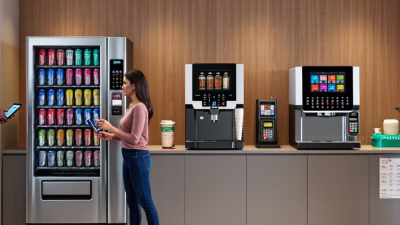
Choosing among China’s top drink machines starts with the drink you plan to serve and the place where customers will buy it. A chilled vending machine may suit a station lobby or office corridor, where sealed bottles and cans need quick access. A fresh juice machine offers a different experience, but it also needs more frequent cleaning and ingredient handling. Coffee and tea machines can fit workplaces, hotels, and cafés, where people may expect several drink options.

The best choice depends on daily sales, available space, power and water access, payment preferences, and local service support. Check the machine’s capacity, temperature controls, cleaning process, spare-parts availability, and warranty terms. Ask suppliers for clear specifications and, where possible, see a working unit or request a product demonstration. A polished brochure is useful, but it cannot replace a practical test. Small details matter.

The answer is not always obvious. A lower purchase price may mean higher maintenance costs, while a feature-rich model may be more than a small site needs. Buyers should compare total ownership costs and confirm that the machine suits their menu and expected traffic. The right drink machines are not simply the most advanced or cheapest; they are the ones your team can operate reliably and customers will use. That sounds simple. It isn’t. Real sales can differ from estimates, so leave room to review performance after installation.
China Top Drink Machines Which Type Is Best for Buyers?

Main Types of Drink Machines Available in China

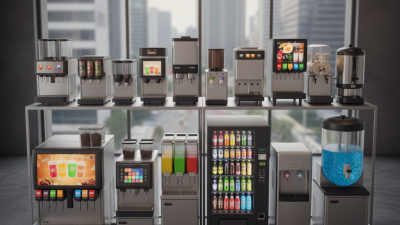
China’s main drink-machine types serve different locations and menus. Chilled vending machines sell sealed cans and bottles, making them practical for stations, offices, and school corridors. Hot-drink machines prepare coffee, tea, or cocoa from ingredients stored inside. Fresh-mix dispensers handle drinks such as juice or milk tea, but need more frequent cleaning. The China Beverage Industry Association’s 2023 industry review reported soft-drink output of about 175.6 million tonnes. That scale supports broad demand, but does not prove every machine type will sell well at a specific site.

For buyers, match the machine to local habits and service capacity. Bottle machines are usually simpler to stock and maintain. Hot-drink models need reliable water supply and regular ingredient checks. Fresh-mix units can offer a wider menu, yet refrigeration and sanitation add work. A busy lobby may suit quick bottled drinks; a small office may prefer hot beverages. I would not choose by screen size alone. It is an easy detail to overvalue.

Tips: Check payment compatibility, spare-part access, cleaning time, and power needs before ordering. Ask for a live demonstration using the drinks you plan to sell. Compare real daily sales with the supplier’s capacity estimate. A beautiful menu cannot fix a poor location.

How Each Drink Machine Works and What It Serves

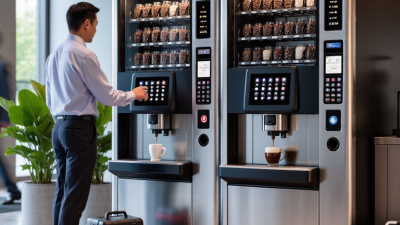
A drink machine’s mechanism determines its menu, speed, and daily care needs. Bean-to-cup units grind whole beans, brew each serving, and dispense coffee into a waiting cup. They suit offices and hotel lobbies where fresh aroma matters. Instant-drink machines mix measured powder with hot water, making service quicker and maintenance simpler, though flavor can feel less fresh. The National Coffee Association’s 2024 report found that 67% of U.S. adults had coffee the previous day, a useful sign of demand for convenient hot drinks, though it does not describe every market.

Cold-drink machines work differently. Can and bottle models chill sealed drinks, then release them through a coil or lift mechanism. Post-mix dispensers combine chilled water, syrup, and sometimes carbonation at the nozzle. Fresh-juice machines press fruit on site and need more frequent cleaning; that extra work is easy to underestimate. Grand View Research estimated the global vending-machine market at about $21.3 billion in 2023, but this broad figure covers more than drink machines. Not a drink-only measure. Buyers should compare cup capacity, cooling performance, refill access, and cleaning time with their actual traffic. A sleek touchscreen helps, but it cannot fix slow service or an awkward refill routine.

China Top Drink Machines: Which Type Is Best for Buyers? — How Each Drink Machine Works and What It Serves

Machine Type How It Works Drinks Served Main Advantages Key Considerations Best Suited Buyers
Espresso Machine Forces hot water through finely ground, compacted coffee under pressure to extract espresso. Espresso, Americano, cappuccino, and latte; milk drinks require a steam wand or separate milk system. Offers control over extraction and milk texture; suitable for made-to-order specialty coffee. Usually needs trained operators, a grinder, regular cleaning, and consistent coffee preparation. Cafés and food-service businesses prioritizing espresso quality and customization.
Bean-to-Cup Coffee Machine Grinds whole beans and automatically doses, brews, and dispenses a selected coffee; some models also froth milk. Espresso-style coffee, black coffee, and, depending on configuration, milk-based drinks. Combines grinding and brewing in one system and reduces the skill needed for routine service. Requires cleaning and descaling; milk systems need frequent hygiene checks. Capacity varies by model. Offices, hotels, convenience locations, and self-service areas seeking straightforward operation.
Drip Coffee Brewer Heats water and passes it through ground coffee held in a filter, collecting the brewed coffee in a pot or thermal server. Batch-brewed black coffee, served plain or with separately added milk, cream, or sweetener. Simple workflow and practical for preparing several servings in one brew cycle. Does not make espresso; brewed coffee quality depends on the coffee, grind, water, and holding time. Canteens, breakfast service, offices, and venues with steady demand for regular coffee.
Hot Beverage Vending Machine Dispenses a selected drink by mixing or brewing ingredients with heated water, then delivers it into a cup. Depending on its ingredients and settings: coffee, tea, hot chocolate, or other powdered hot drinks. Supports unattended service and multiple menu options in a compact footprint. Check ingredient storage, cup supply, payment options, cleaning access, and refill requirements. Factories, campuses, transit areas, and other locations needing self-service drinks.
Fresh Juice Dispenser Depending on the design, extracts juice from fresh produce or chills and dispenses prepared juice from a refrigerated container. Citrus or other fruit juices; the available range depends on the machine and its preparation method. Provides a juice-focused offer and can support made-to-order service or chilled self-service. Fresh-produce models need frequent washing and produce handling; chilled dispensers require refrigeration and sanitation. Restaurants, hotels, juice bars, and sites with suitable cold storage and cleaning routines.
Frozen Drink or Slush Machine Cools a liquid mixture while an internal agitator keeps it moving, forming a pourable frozen or semi-frozen drink. Slush drinks, frozen juices, and other compatible chilled beverage mixes. Keeps a ready-to-serve frozen beverage visible and available during service. Needs space, power, regular cleaning, and mixtures formulated for the equipment; not every drink can be frozen in it. Convenience stores, cinemas, leisure venues, and seasonal food-service operations.
Tea Brewing Machine Heats water and steeps tea leaves or tea bags; automatic models may control brewing time and water temperature. Black, green, or herbal tea, depending on the tea used; some systems also dispense hot water for other drinks. Offers a dedicated tea option and can standardize steeping in repeated service. Tea type, water temperature, steeping time, and cleaning requirements affect the result. Hotels, cafés, offices, and hospitality sites serving tea regularly.

Buyer tip: Compare the intended drink menu, peak-period demand, operator skill, cleaning workload, utilities, ingredient storage, and after-sales support before selecting a machine.

Comparing Capacity, Cost, and Maintenance Needs

A countertop drink dispenser suits a small office or café with limited floor space. Its lower purchase price can be appealing, but the reservoir may need refilling several times during a busy lunch hour.

Space matters. Estimate cups per hour, not just total daily sales. A floor-standing unit usually holds more product and may offer hot and cold options, though it costs more and needs a clear service area.

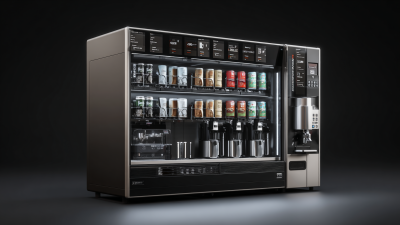
A vending-style machine can handle unattended sales and varied packaged drinks. That convenience adds expense: payment hardware, refrigeration, and restocking all affect the budget.

Not always. A larger machine is not automatically cheaper per drink if demand is modest or stock moves slowly.

Maintenance needs differ by design. Dispensers with narrow tubes and nozzles need regular rinsing to prevent residue and stale flavors. Hot-water systems may need descaling, while refrigerated units require clean vents and temperature checks.

Ask how long routine cleaning takes and whether common parts are easy to replace. Capacity figures can mislead; cup size, refill habits, and peak demand change the real output. A slightly smaller machine may fit better, but that trade-off deserves a realistic trial estimate.

Which Machine Type Fits Different Buyer Requirements

A machine should fit the buyer’s daily routine, not just look capable on a product sheet. Small cafés with limited counter space may prefer a compact countertop model for tea, coffee, or chilled drinks. Space matters. Check cup clearance, refill access, and cleaning steps before choosing; a machine that blocks a prep area can slow service during a morning rush.

For offices, schools, or busy food counters, a higher-capacity dispenser or vending-style machine may suit steady demand. Compare output per hour, storage volume, and how often staff must refill ingredients or cups. Keep it simple. Touch controls can help customers serve themselves, while clear temperature settings and removable parts make routine care easier. Buyers should also ask about power needs, water connections, and local service availability.

A buyer focused on specialty drinks may need adjustable portions, temperature control, or separate ingredient containers. These features can improve consistency, but they add setup and cleaning work. It is easy to overvalue a long feature list and overlook the operator’s experience. A practical trial with the actual cups and recipes can reveal awkward pouring, slow recovery between servings, or hard-to-reach surfaces. Leave room in the budget for maintenance, not only the purchase price.

How to Evaluate Models, Suppliers, and After-Sales Support

Choosing a drink machine in China starts with the serving location, not the catalogue. A chilled-can unit suits a busy lobby; a fresh-cup model needs reliable water access, drainage, and daily cleaning. Check peak-hour output, cup size, temperature recovery, payment compatibility, and the time required to refill ingredients. ENERGY STAR reports that certified vending machines use about 40% less energy than standard models. Compare measured consumption under similar operating conditions, not just a supplier’s best-case figure. Test it cold.

Supplier quality shows up after installation. Ask for commissioning records, a written response-time target, local technicians, and stocked parts such as pumps, valves, and cooling components. NAMA’s 2023 State of the Industry report estimated U.S. convenience-services sales at $26.6 billion; that figure is not China-specific, but it reflects how much the sector depends on ongoing service. Request customer references for similar sites, then ask what happens when a machine fails on a weekend. A polished demo can hide awkward cleaning or slow restocking. I would inspect those routines in person. No checklist removes all uncertainty, so record trial-period faults and compare actual service visits with the contract before ordering multiple units.

China Drink Machines: What Should Buyers Evaluate?

A practical model-selection framework for comparing machine types, suppliers, and after-sales support.

Suggested buyer-scoring weights, totaling 100 points—not market survey results. Compare machine capacity and drink compatibility alongside total cost, supplier documentation, spare-parts availability, and the terms and response process for after-sales service.