What Is the Best Snack Vending Machine for Global Buyers?

Choosing the best snack vending machine for global buyers requires more than comparing prices or screen sizes. The right model must fit local buying habits, climate, payment systems, and service conditions. A machine placed in a busy Singapore office may need cashless payments and compact cooling. A unit serving a rural transport hub may need stronger insulation, simpler controls, and easier maintenance.

Industry forecasts show why this decision matters. Fortune Business Insights valued the global vending machine market at approximately USD 21.84 billion in 2023 and expects continued growth through 2032. Grand View Research also reports strong expansion, driven by automated retail, contactless payments, and demand for convenient food access. Their projections differ because market definitions and research methods vary. That difference deserves attention.

For international buyers, the best snack vending machine is not always the most advanced one. It should provide reliable temperature control, adjustable product spirals, remote inventory monitoring, and clear payment compatibility. It should also support regional voltage standards and widely available spare parts. These details affect daily performance more than attractive advertising.

Real-world testing remains essential. Check how quickly the machine dispenses a narrow snack packet. Test payment recovery after a network interruption. Measure noise near offices or hotels. Small failures become expensive when technicians are far away. NAMA’s industry guidance emphasizes sanitation, maintenance, and responsible operation, which remain practical benchmarks for buyers worldwide.

Some buyers may focus too heavily on headline capacity. That can be a mistake. Product turnover, refill distance, warranty coverage, and local technical support deserve equal weight. This guide compares those factors, while recognizing that no single machine suits every market. The “best” choice depends on evidence, operating conditions, and honest evaluation.
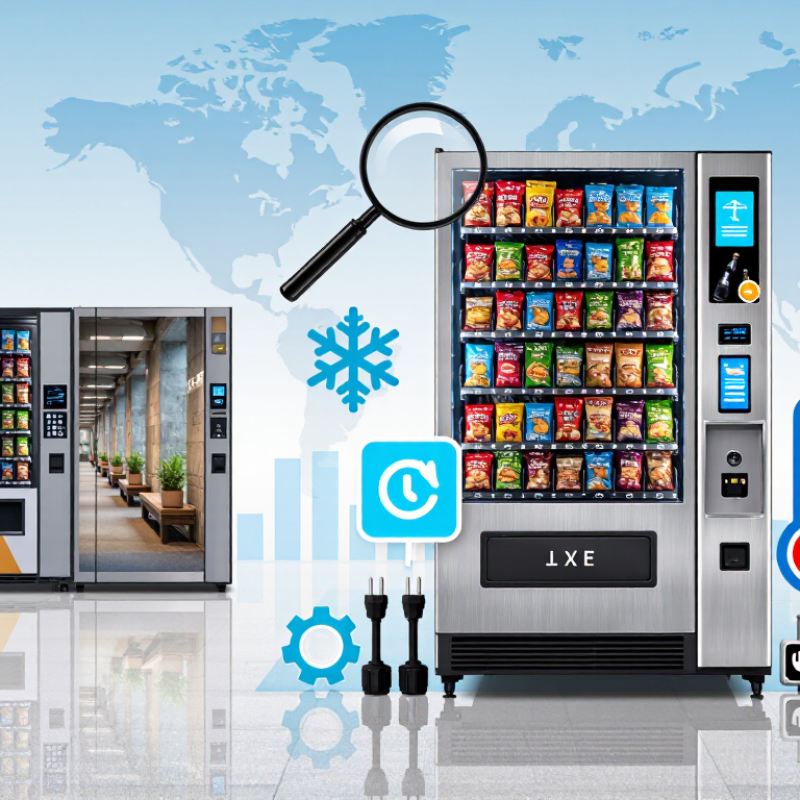
What Is the Best Snack Vending Machine for Global Buyers?

What Is a Snack Vending Machine?

What Is the Best Snack Vending Machine for Global Buyers?

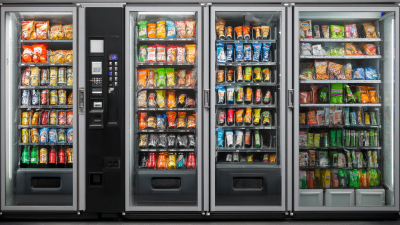
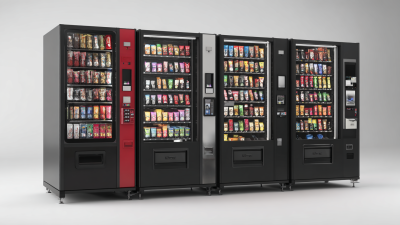
A snack vending machine is an automated retail cabinet that stores, presents, and sells packaged food. Customers choose an item on a screen or keypad, pay electronically, and receive it through a delivery slot. Inside, spiral coils, elevators, or conveyors move products carefully. A reliable machine should protect snacks from heat, humidity, dust, and rough handling.

The global vending machine market shows why this format matters. Grand View Research estimated the market at about USD 21.4 billion in 2023, with continued growth expected through 2030. Snack machines represent a practical part of this market because they serve offices, schools, transport areas, and residential buildings. The best unit for global buyers is not simply the largest one. It should support local payment systems, multiple languages, adjustable shelves, remote stock monitoring, and stable temperature control. Small details matter.

Field experience also exposes weaknesses. A beautiful touchscreen cannot fix poor product rotation. A low-cost machine may become expensive when spare parts arrive slowly. The National Automatic Merchandising Association has reported strong demand for cashless payments and healthier product choices in convenience services. Buyers should therefore check payment security, food-label visibility, energy use, warranty terms, and service access before ordering. Local electrical rules and accessibility requirements also need review. “Global” is not one standard. A machine that performs well in a dry office may struggle in a humid station. Product testing with real snacks, real coins, and real users remains necessary.

Which Features Matter for Global Buyers?

For global buyers, the best snack vending machine is rarely the largest model. It is the one that adapts to different markets, buildings, and customer habits. Grand View Research valued the global vending machine market at about USD 21 billion in 2023. Its forecast also indicates strong growth through 2030. That growth raises a practical question: can one machine work reliably across several countries?

Payment flexibility matters immediately. The 2024 Global Payments Report by Worldpay states that digital wallets represented about 50% of global e-commerce transaction value in 2023. A vending machine should therefore support contactless cards, mobile wallets, and local payment options. Currency settings and multilingual screens are equally important. Poor translation can confuse shoppers within seconds. It happens.

Remote monitoring is another valuable feature. Operators need stock alerts, temperature records, sales data, and fault notifications without visiting every location. For snacks, adjustable spirals should handle narrow chocolate bars, small packets, and irregular packages. A cooled compartment can protect products in hot climates, but it also increases energy use. Energy efficiency should be checked against local voltage, climate, and operating hours.

Global buyers should also examine accessibility, cybersecurity, product traceability, and certification requirements in each destination. The International Energy Agency continues to emphasize efficient equipment as a practical way to reduce electricity demand. Yet specifications alone cannot guarantee performance. A machine may pass laboratory testing and still struggle with dust, unstable connectivity, or heavy daily use. Pilot testing with real products and local users remains essential.

How Do Snack Vending Machines Compare by Location and Capacity?

What Is the Best Snack Vending Machine for Global Buyers?

Location should decide the machine before capacity does. Grand View Research valued the global vending machine market at about USD 21.8 billion in 2023. Its report also forecasts strong growth through 2030. However, market definitions differ. Some reports include drinks, fresh food, and payment systems. Buyers should compare the research scope carefully.

A compact machine with 30 to 40 selections suits offices, clinics, and small hotels. These locations usually need quiet operation and moderate stock levels. A busy railway station may require 60 or more selections, larger storage, and faster product delivery. In airports or universities, spiral lanes should display popular snacks clearly. NAMA industry research shows that convenience-service demand depends heavily on location traffic and purchasing frequency. Footfall matters more than floor size.

Outdoor placement changes the specification again. A reinforced cabinet, temperature control, and remote monitoring can reduce product loss. Yet higher capacity is not always better. Slow-moving snacks may expire before the next service visit. That assumption is easy to make. A practical test is to record sales by item for four weeks, then adjust the layout. Payment support also needs local research, because cashless usage varies widely between countries. I would leave some space for seasonal products. Fixed plans can become outdated quickly.

What Costs Should Buyers Consider Before Purchasing?

What Is the Best Snack Vending Machine for Global Buyers?

What Costs Should Buyers Consider Before Purchasing?

For global buyers, the best snack vending machine is not always the cheapest model. Purchase price is only the first cost. A reliable comparison should include cabinet size, cooling system, payment hardware, software, and warranty coverage. A machine with a low quote may need expensive upgrades for local voltage or language settings. Request a written quotation that separates machine price, spare parts, delivery, and installation.

Freight costs change with destination, container space, and seasonal port charges. Ask whether shipping is door-to-door or port-to-port. Import duties, customs brokerage, inspection fees, and local taxes can add a surprising amount. Payment terminals may require transaction fees, connectivity plans, and regional certification. Budget for site preparation too. A strong floor, nearby power outlet, lighting, and internet access can prevent delays. I once underestimated installation labor; the machine arrived, but staff could not position it safely.

Ongoing expenses often decide profitability. Plan for electricity, product replenishment, cleaning, insurance, software subscriptions, and repairs. Keep spare payment components, locks, and cooling fans when local supply is uncertain. Location commissions and restocking travel may exceed monthly maintenance costs. Before approving a purchase, model sales by product, temperature, foot traffic, and exchange rate. Use conservative numbers, not optimistic forecasts. That approach feels less exciting, but it exposes costs that a glossy quotation can hide.

How Can Buyers Choose the Best Snack Vending Machine?

How Can Buyers Choose the Best Snack Vending Machine?

Choosing the best snack vending machine starts with the location, not the display screen. A busy office needs different capacity from a small hospital hallway. Measure daily foot traffic, available floor space, power access, and local buying habits. NAMA’s 2024 Convenience Services Industry Report estimated U.S. vending sales at about $26.6 billion in 2023. This signals strong demand, but local demand still matters more than global averages.

Check product flexibility carefully. Adjustable shelves should hold crisps, chocolate, nutrition bars, and small drinks without wasted space. A reliable machine should support cashless payments, remote stock alerts, temperature control, and clear sales records. Grand View Research reported continued growth in the global vending machine market, driven partly by automation and contactless payment adoption. However, advanced features can increase maintenance costs. Buyers should compare total ownership costs, including delivery, software, spare parts, energy use, and technician response time. A cheap machine can become expensive after repeated cooling or payment failures.

Tips: Request a live demonstration before ordering. Test payment speed, product delivery, screen visibility, and restocking access. Ask for documented warranty terms and local service coverage. I would also test several product sizes. Some machines look spacious but reject wider packages. That small detail is easy to miss. Review safety certifications and electrical compatibility for the destination country. Supplier references can reveal reliability better than polished specifications.

What Is the Best Snack Vending Machine for Global Buyers? - How Can Buyers Choose the Best Snack Vending Machine?

The best snack vending machine depends on location, product mix, operating conditions, payment requirements, and maintenance capability. The table below compares common machine categories using typical market specifications and practical purchasing criteria.

Machine Type Typical Product Capacity Temperature Control Payment Options Connectivity Typical Power Input Best Operating Environment Main Advantage Key Limitation Buyer Suitability Score
Ambient Snack Vending Machine 120–300 packaged items No active cooling Coins, banknotes, cards, mobile wallets Optional 4G, Wi-Fi, or local monitoring 100–240 V AC; approximately 100–300 W Offices, schools, transport areas, factories Lower purchase price and operating cost Cannot safely sell products requiring refrigeration 4.5 / 5
Refrigerated Snack and Drink Machine 100–250 items Usually adjustable around 2–8°C for chilled products Coins, banknotes, cards, mobile wallets Commonly available through 4G or Wi-Fi 100–240 V AC; approximately 500–1,500 W Malls, hospitals, gyms, campuses, hotels Supports chilled drinks and temperature-sensitive snacks Higher energy use and more maintenance requirements 4.7 / 5
Combination Snack and Beverage Machine 150–350 items Ambient sections plus optional refrigerated sections Coins, banknotes, cards, QR payments, mobile wallets 4G, Wi-Fi, inventory alerts, remote reporting 100–240 V AC; approximately 700–1,800 W High-traffic public and commercial locations Broad product range and strong sales flexibility Larger footprint and higher initial investment 4.9 / 5
Smart Touchscreen Snack Machine 100–300 items Ambient or refrigerated, depending on configuration Cards, contactless payments, QR payments, mobile wallets Typically 4G or Wi-Fi with cloud management 100–240 V AC; approximately 300–1,500 W Airports, offices, universities, premium retail areas Interactive sales interface and detailed operating data Higher software, connectivity, and service dependence 4.6 / 5
Outdoor-Ready Snack Vending Machine 100–250 items Ambient; optional cooling in selected models Coins, cards, contactless payments, mobile wallets Optional 4G or Wi-Fi 100–240 V AC; approximately 150–700 W Covered outdoor areas, stations, sports venues, parks Weather-resistant cabinet and enhanced security features Requires suitable installation, protection, and local compliance checks 4.3 / 5
Compact Countertop Snack Machine 20–80 items Usually ambient Coins, cards, or cashless payment module Usually optional or unavailable 100–240 V AC; approximately 50–200 W Small offices, reception desks, retail counters Small footprint and simple installation Limited capacity and lower product variety 3.8 / 5

Key Selection Checklist for Global Buyers

  • Confirm the destination country's voltage, frequency, plug type, electrical certification, and payment regulations.
  • Match the machine's temperature range to the storage requirements of the intended snacks and beverages.
  • Check product dimensions, spiral or conveyor compatibility, anti-theft protection, and delivery reliability.
  • Evaluate remote inventory monitoring, payment-system compatibility, spare-parts availability, and local technical support.
  • Compare total cost of ownership, including energy consumption, shipping, installation, software fees, maintenance, and warranty coverage.

Note: Capacity, power consumption, temperature range, and payment features are typical market benchmarks. Actual specifications vary by configuration, climate, product size, and local regulatory requirements.