What is Vending Machine Financing and How Does it Work?
Vending machine financing is an innovative way to fund your vending business. It provides quick access to capital for operators looking to expand their operations. Many entrepreneurs are drawn to this financing method due to its straightforward nature. You can acquire vending machines without heavy upfront investments.
This financing typically covers the purchase cost. It also includes installation and maintenance expenses. Operators bypass prolonged bank loan processes. They can get funds more efficiently, helping them to seize opportunities quickly. However, not all vending machine financing options are perfect. Interest rates vary and can impact overall profitability.
Before diving into vending machine financing, think carefully. Assess your business plan and cash flow. Understanding the terms and conditions is crucial. This helps avoid pitfalls that could affect your venture. As with any financial decision, thorough consideration is key to success.
What is Vending Machine Financing?
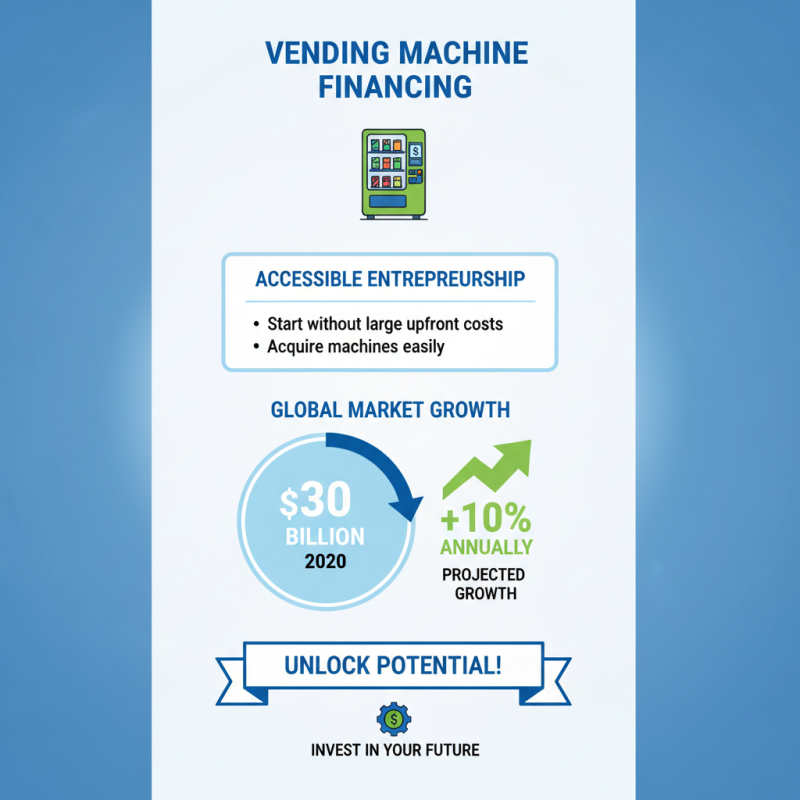
Vending machine financing offers an accessible way for entrepreneurs to invest in these machines. This type of financing allows business owners to acquire machines without significant upfront costs. According to industry reports, the global vending machine market reached approximately $30 billion in 2020. It is projected to grow by 10% annually, illustrating strong potential.
Understanding the intricacies of vending machine financing is crucial. This financial model often includes leasing or loans designed for small businesses. Entrepreneurs can secure funds to purchase or lease machines that dispense snacks, beverages, and more. However, many may overlook the long-term costs associated with maintenance and restocking. These ongoing expenses can quickly add up, leading to potential cash flow issues.
It's worth noting that location is vital for success. Data indicates that well-placed machines can generate thousands in monthly revenue. Yet, not every location is profitable. Business owners must conduct thorough market research. This ensures they choose the right spots that attract foot traffic. The excitement around vending machine investment should be tempered with realistic assessments of potential challenges. Addressing these factors can help aspiring owners navigate this competitive landscape more effectively.
Understanding the Revenue Potential of Vending Machines
Vending machines present a lucrative revenue opportunity. According to recent industry reports, the global vending machine market was valued at around $30 billion in 2022. The growth rate is projected at 10% annually, driven by convenience and innovation. Many entrepreneurs are tapping into this lucrative business, but there are challenges to consider. It’s not just about placing machines; location and selection matter immensely.
Research shows that high-traffic areas yield better profits. Popular places include schools, hospitals, and office buildings. Machines stocked with healthy snacks and beverages have seen rising demand. This shift reflects a growing consumer preference for wellness. Yet, it’s essential to note not every product will perform well. Continuous assessment is crucial to fine-tuning selections.
Tips: Monitor sales data regularly. Adapt your offerings based on trends and customer preferences. Additionally, beware of overstocking, which can lead to wasted products and lost revenue. The vending machine business can be rewarding, but it requires smart strategies to navigate the landscape effectively. Always stay updated with market shifts and customer feedback.
Key Players in Vending Machine Financing: Lenders and Investors
Vending machine financing relies on key players: lenders and investors.
Lenders provide capital, often through loans or leases. Investors may fund the initial purchase of machines, seeking profits over time.
This industry is growing, with statistics showing a 5% annual increase in vending services.
Investors look for high-traffic locations. Placing machines in busy areas increases potential sales.
Lenders evaluate business plans carefully. They want to see expected cash flow. If cash flow forecasts are unrealistic, funding could be denied.
A weak business case can lead to missed opportunities.
Tips: Focus on strategic locations. Target spots where people congregate.
Consider working with a financial advisor. They can help create a solid plan. A well-prepared application may speed up the funding process.
Be transparent about risks; acknowledging them can build trust. Regularly assess performance metrics. Understanding what's working and what needs adjustment is crucial for success.
The Application Process for Vending Machine Financing
Vending machine financing can be an effective way for entrepreneurs to start or expand their businesses. The application process, while straightforward, requires attention to detail. Many lenders seek specific documentation to evaluate your financial health and business plan. You may need to submit tax returns, income statements, and a personal credit report. Lenders usually look for a credit score above 650. Statistically, businesses with solid credit are more likely to receive favorable terms.
As part of the application, presenting a robust business plan is crucial. This plan should outline your target locations, product offerings, and expected revenue. According to industry reports, the average vending machine can generate $75 to $500 per week, depending on its location. However, understanding the nuances of your chosen locations is key. High foot-traffic areas like offices and schools tend to yield better returns.
The review process can take longer than many expect. It’s common for applicants to feel anxious during this period. Some discover they need more documentation than anticipated. Others realize they overlooked details in their business plans. It's essential to adjust your approach and be patient. Financing is often a stepping stone, so embracing the learning process can make all the difference.
What is Vending Machine Financing and How Does it Work? - The Application Process for Vending Machine Financing
| Dimension |
Description |
Typical Range |
| Loan Amount |
Amount financed for purchasing vending machines. |
$5,000 - $100,000 |
| Interest Rates |
The cost of borrowing, expressed as a percentage. |
6% - 20% APR |
| Repayment Terms |
The duration over which the loan must be repaid. |
1 - 5 years |
| Down Payment |
Initial payment required before financing. |
10% - 30% of the total cost |
| Approval Time |
Time taken to process the financing application. |
24 hours - 1 week |
| Required Documents |
Documents necessary for applying for financing. |
Business plan, tax returns, financial statements |
Factors Influencing Vending Machine Financing Approval Rates
When considering vending machine financing, several factors impact approval rates. Lenders assess creditworthiness. A strong credit score often leads to better financing options. The average credit score required for vending machine financing typically ranges from 620 to 650. Lower scores may face higher interest rates or denial.
Business history is also crucial. Newer companies may struggle to secure funding. According to industry reports, established businesses can achieve approval rates of over 70%. In contrast, startups often range between 30% and 50%. Cash flow is another significant consideration. A healthy cash flow indicates to lenders that a business can manage payments.
Additionally, location plays a role. Certain areas may yield better profitability. Vending machines in high-traffic locations, like schools or offices, generate more sales. However, not all locations are equal. Poor location choices can lead to underperformance. This inconsistency may raise red flags for potential lenders. It’s clear that a combination of these factors intricately shapes financing outcomes.