Top Food Machines to Revolutionize Your Kitchen in 2025
As we step into 2025, the landscape of culinary innovation is transforming at an unprecedented pace, thanks in large part to advancements in food machines. These devices are redefining how we prepare, cook, and enjoy our meals, making kitchen tasks more efficient and enjoyable. From smart appliances that automate cooking processes to multifunctional machines that save space and time, the integration of technology into our kitchens is creating a new era of culinary convenience.
The rise of food machines is not just about convenience; it’s about enhancing our cooking experiences. With features that cater to various dietary needs and preferences, these appliances empower home cooks to explore new recipes and cooking techniques without the intimidation often associated with complex preparations. Furthermore, the emphasis on sustainability and healthy eating choices in 2025 has driven innovation in food machines to prioritize eco-friendliness and nutrient preservation, ensuring every meal is both delicious and nourishing.
In this article, we will explore the top food machines that are set to revolutionize kitchens this year. From advanced food processors to intuitive cooking platforms, we will examine how these tools are shaping the way we approach meal preparation, ultimately paving the way for a more efficient and enjoyable culinary journey.

The Rise of Smart Food Machines in the Kitchen
The rise of smart food machines marks a significant evolution in home cooking, combining technology and convenience to enhance culinary experiences. As kitchens are increasingly equipped with devices that can automate processes, from chopping and cooking to meal planning and nutrition tracking, the traditional cooking methods are becoming a thing of the past. These machines utilize advanced algorithms and connectivity features, allowing users to monitor and control their cooking from anywhere, making meal preparation more efficient and enjoyable.
Moreover, the integration of artificial intelligence and machine learning in smart food machines is transforming how we approach cooking. These devices can analyze ingredients, suggest recipes based on available items, and even adjust cooking times and temperatures for optimal results. This not only saves time but also encourages culinary exploration, allowing users to experiment with new dishes without the fear of failure. In 2025, we can expect to see even more innovative features, such as personalized nutrition insights and seamless integration with other smart home devices, further revolutionizing our approach to cooking and meal preparation.
Essential Features of 2025 Food Machines
As we approach 2025, the kitchen appliance industry is set to undergo significant transformations powered by advancements in technology and changing consumer needs. One essential feature of these upcoming food machines is connectivity. According to a report by the International Home + Housewares Show, nearly 70% of consumers are interested in smart appliances that can be controlled via smartphones or voice-activated systems. This level of interconnectedness not only enhances convenience but also allows for remote monitoring and control, enabling home cooks to prepare meals more efficiently.
Another critical feature anticipated for 2025 food machines is enhanced automation. Research from the Home Appliance Manufacturers Association indicates that up to 60% of all kitchen tasks could be automated, from chopping vegetables to cooking rice. These machines will likely come equipped with AI-driven algorithms that can learn individual cooking preferences, adjusting time and temperature settings to deliver perfect results every time. As a result, the focus is shifting from mere tasks to a more personalized cooking experience, empowering individuals to explore culinary creativity with less effort.
Lastly, energy efficiency will be a critical consideration as consumers become increasingly environmentally conscious. A study by the Energy Saving Trust highlights that appliances with energy-saving features can reduce electricity usage by up to 30%. This push toward sustainability in food machines will not only contribute to lower household energy bills but also support broader efforts to reduce overall carbon footprints in the kitchen. Incorporating such features will help consumers make smarter choices while navigating their cooking endeavors in 2025.
Innovative Food Processing Technologies to Watch
As we move towards 2025, the kitchen is set to become a hub of innovation, driven by cutting-edge food processing technologies. One of the most promising advancements on the horizon is the integration of artificial intelligence in food machines. These smart devices will not only streamline cooking processes but also personalize meal preparations based on individual dietary preferences and nutritional needs. By analyzing user data, these machines can suggest recipes, adjust cooking times, and even recommend portion sizes, making healthy eating choices easier than ever.
Another notable trend is the emergence of multifunctional robotics in the kitchen. These robots can perform a variety of cooking tasks, from chopping and mixing to cooking and serving. With enhanced precision and speed, they promise to save time and reduce the effort involved in meal preparation. Moreover, advancements in automation are likely to reduce food waste by optimizing ingredient usage and extending the shelf life of perishable items through improved storage solutions. As these technologies develop, we can expect a more efficient, sustainable, and enjoyable cooking experience.
Sustainability Trends in Kitchen Appliances
As we transition into 2025, sustainability continues to be a cornerstone in the design and functionality of kitchen appliances. Reports indicate that more than 70% of consumers now prioritize eco-friendly features when selecting kitchen equipment. This trend is not just a fleeting phase; it reflects a growing awareness of environmental impacts, with industries focusing on reducing energy consumption and utilizing recyclable materials in appliance production. Innovations like energy-efficient smart devices and appliances made from sustainable materials are leading the charge toward a greener kitchen.
**Tip:** When shopping for kitchen machines, look for energy ratings and certifications that indicate lower environmental impact. These appliances not only help reduce your carbon footprint but can save you on energy costs in the long run.
Moreover, the integration of circular economy principles is gaining traction within the food appliance sector. This involves designing products that are repairable, upgradable, and recyclable. The International Energy Agency (IEA) has noted that energy-efficient appliances can dramatically decrease electricity usage, potentially saving households significant costs—up to 30% in some cases. Choosing appliances that support sustainability trends contributes to a significant reduction in waste and promotes a healthier planet.
**Tip:** Consider multi-functional appliances that can perform several tasks, reducing the need for multiple machines. This not only saves space but also minimizes resource use during production and reduces waste over time.
Top Food Machines Revolutionizing Kitchens in 2025
This chart illustrates the projected growth of various sustainable kitchen appliances by 2025. The data highlights increasing consumer demand for energy-efficient and eco-friendly options.
Tips for Choosing the Right Food Machine for Your Needs
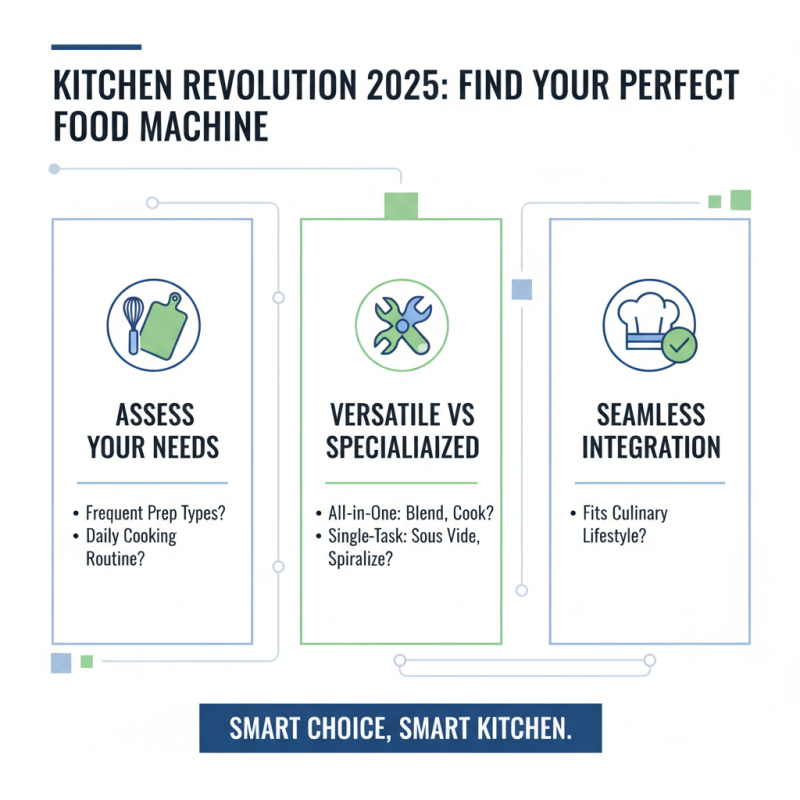
When selecting a food machine to revolutionize your kitchen in 2025, it's essential to consider your specific needs and lifestyle. Start by assessing what types of food preparation you do most frequently. Are you looking for a machine that can handle a variety of tasks, such as chopping, blending, and cooking? Or do you prefer a specialized appliance that excels in one area, like sous vide cooking or spiralizing vegetables? Identifying your primary cooking tasks will help narrow down your options and ensure the machine you choose fits seamlessly into your culinary routine.
Another crucial factor to consider is your kitchen space and storage capabilities. Food machines come in various sizes and designs, so it’s vital to choose one that can comfortably fit into your kitchen layout. Look for appliances that are easy to clean and maintain, as convenience can make a significant difference in how often you use them. Additionally, think about the machine's versatility and whether it offers attachments or features that can adapt to different recipes and cooking styles. Ultimately, making an informed choice based on your cooking habits and available space will lead to a more satisfying and efficient kitchen experience.