
Top 10 Chicken Layer Cage Manufacturers for Global Buyers
Choosing a Chicken Layer Cage manufacturer is a long-term production decision, not simply a search for the lowest quotation. Cage design affects bird movement, egg collection, cleaning routines, and daily labor. Small details matter. A rough wire edge, a poorly aligned manure belt, or an unreliable drinker can create problems across an entire house.
This guide introduces ten manufacturers serving global buyers and offers a practical starting point for comparison. It considers product range, materials, fabrication quality, customization, technical support, spare-parts availability, and experience with international projects. Buyers should also ask for clear drawings, realistic delivery schedules, and references from farms with similar climates and flock sizes. These checks do not guarantee a perfect fit. They do make unanswered questions easier to spot.
Some suppliers may offer attractive automation packages, while others focus on simpler systems that are easier to maintain locally. Neither approach is automatically better. A farm with limited service access may value durable components and quick parts supply more than advanced controls. The shortlist is not a universal ranking, and company capabilities can change over time. Verify specifications directly, inspect sample installations when possible, and assess each offer against your building layout and operating plan. A cage system should work on paper—and during an ordinary, busy morning. That last test is easy to overlook.
Understanding Chicken Layer Cages and Their Main Systems
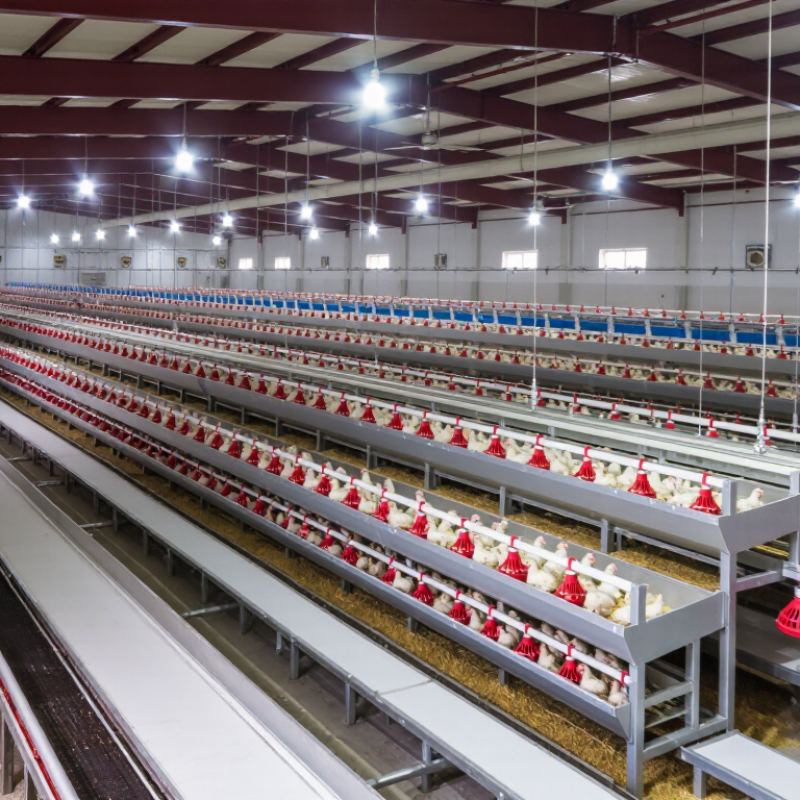
Layer cages house hens in tiered rows, with feed troughs outside and egg belts beneath the floor. Conventional cages keep small groups; enriched cages add features such as perches, nests, and scratching areas. Colony systems enlarge group size, but more birds also mean greater demands on ventilation, feeder access, and manure handling. Small details matter.
FAOSTAT records about 91.9 million tonnes of hen eggs produced worldwide in 2022, illustrating the scale of housing decisions. The figure does not show which systems produced those eggs. EFSA’s 2023 scientific opinion on laying-hen welfare evaluates housing through consequences such as restricted movement and limited opportunities for natural behavior. Buyers should therefore compare usable floor area, nest access, perch layout, and inspection access—not just cage capacity. A crowded corner near a drinker can undermine an otherwise tidy design. In practice, floor plans need checking against flock size and bird movement. One weakness in many comparisons is that equipment specifications rarely reveal how consistently daily management will maintain litter, water flow, and clean belts.
How to Evaluate Layer Cage Manufacturers for Global Procurement
Global buyers should evaluate layer cage manufacturers as engineering partners, not just equipment vendors. FAO’s Statistical Yearbook 2023 reports that global hen-egg production exceeded 90 million tonnes in 2021, underscoring the scale of this supply chain. That scale matters. Ask for drawings that specify wire diameter, coating, weld quality, feeder dimensions, and manure-belt capacity. Compare those details with your flock size, building width, climate, and cleaning routine.
Request factory inspection records, corrosion-test results, load-test evidence, and references from farms with similar operating conditions. A polished catalogue is not proof. During a site visit, inspect welds closely and check whether workers can remove parts without dismantling adjacent rows. IFC’s Environmental, Health, and Safety Guidelines for Poultry Production identify manure, wastewater, dust, and worker safety as operational concerns. Ask how the proposed system supports practical cleaning, waste handling, and safe maintenance.
Test a sample section before ordering at scale. Measure egg flow, breakage, bird access, and belt alignment during normal operation—not only during a staged demonstration. Confirm spare-part lead times, installation support, warranty limits, and training responsibilities in writing. No checklist catches everything. I would also ask for a clear record of design changes; suppliers sometimes revise small components, and those changes can complicate repairs later.
Top 10 Chicken Layer Cage Manufacturers for Global Buyers
Global buyers comparing chicken layer cage manufacturers should look beyond catalog photos. A useful shortlist considers engineering, production capacity, export experience, and access to replacement parts. The “top ten” may differ by region and farm size. A supplier suited to a compact operation may not fit a high-throughput facility.
Ask for drawings that show wire spacing, frame dimensions, and how cages connect to feed lines and nipple drinkers. Request details on galvanizing, weld inspection, manure-belt options, and spare-part availability. These specifics help buyers compare systems on more than price. A clear installation plan matters, too: container loading, unloading equipment, and local technical support can affect project timing.
Check references for farms with similar climates and flock sizes, then ask what maintenance looked like after several production cycles. It is easy to overvalue a polished catalog. That can be a mistake. A sample panel or factory inspection may reveal rough edges, inconsistent welds, or unclear assembly instructions. No checklist catches every issue, and supplier claims deserve verification. Compare warranty terms, response times, and documentation before placing an order. A reliable manufacturer should answer practical questions plainly, including what the system cannot do.
Comparing Manufacturers’ Equipment, Customization, and Support
Choosing among the top 10 chicken layer cage manufacturers takes more than comparing cage capacity. FAOSTAT reports global egg production above 80 million tonnes annually in recent years, a scale that makes reliable feed delivery, egg collection, ventilation, and manure handling essential. Ask each supplier for a layout showing these systems together, not as separate catalogue items. Look closely at drinker height, belt access, and how workers reach a jammed conveyor. Small design choices matter.
Customization should fit the farm building, flock size, climate, and available labor. Request drawings with aisle widths, equipment dimensions, and expected daily service tasks. Then compare what changes cost extra. Paper promises are easy. The support plan matters more: clarify commissioning, operator training, spare-parts availability, and response times across time zones. OECD-FAO’s Agricultural Outlook 2024–2033 projects continued growth in poultry production, but that broader trend does not guarantee a layer system will suit a specific site. Ask for references from farms with similar conditions, and verify them directly. One imperfect detail: buyers often focus on purchase price and overlook the time needed to clean and maintain equipment. That can be costly.
| Anonymous Supplier | Equipment to Compare | Customization to Confirm | Support to Confirm | Evidence to Request |
|---|---|---|---|---|
| Supplier 1 | Layer cages, drinker lines, feeders, manure-removal equipment, and egg collection | House dimensions, cage layout, flock size, and local voltage | Installation guidance, operator training, spare-parts availability, and warranty terms | Current technical drawings, bill of materials, warranty document, and comparable project references |
| Supplier 2 | Cage rows, feeding equipment, nipple drinkers, and manure belts | Row arrangement, service aisles, drinker-line configuration, and belt routing | Commissioning assistance, maintenance instructions, and response process for service requests | Equipment specifications, layout drawing, maintenance schedule, and written service terms |
| Supplier 3 | Layer housing equipment with options for egg collection and manure handling | Manual or automated handling, building interfaces, and target operating capacity | Availability of replacement parts and remote or on-site technical assistance | System scope, production-capacity assumptions, parts list, and service coverage details |
| Supplier 4 | Cage systems, feed distribution, drinking systems, and control components | Control-system compatibility, power supply, climate-control interfaces, and house layout | Controls training, troubleshooting documentation, and software or controller support terms | Electrical diagrams, interface list, controller documentation, and training plan |
| Supplier 5 | Layer cages and associated equipment for feeding, watering, and manure removal | Material specifications, corrosion-protection requirements, and installation constraints | Installation supervision, inspection procedures, and warranty exclusions | Material certificates where applicable, coating specifications, installation checklist, and warranty terms |
| Supplier 6 | Egg collection equipment, conveyors, cage rows, and supporting drive components | Collection direction, conveyor routes, building openings, and connection points | Spare-parts lead times, troubleshooting support, and maintenance training | Conveyor layout, drive-component list, recommended spares list, and service contact procedure |
| Supplier 7 | Manure belts or scrapers, cage equipment, and related drive systems | Manure-discharge location, belt routing, house length, and waste-handling interface | Operating instructions, maintenance intervals, and availability of wear components | Manure-system drawings, operating limits, maintenance schedule, and wear-parts list |
| Supplier 8 | Feeding and drinking equipment integrated with layer cage rows | Feed-line configuration, drinker-line placement, water connections, and local fittings | Water-system guidance, staff training, and replacement-part support | Water and feed-line specifications, connection details, cleaning instructions, and spare-parts list |
| Supplier 9 | Complete or modular layer-house equipment packages | Supply boundaries, phased installation, integration with existing equipment, and future expansion | Project coordination, commissioning scope, and responsibilities of local contractors | Itemized quotation, scope-of-supply schedule, project timeline, and responsibility matrix |
| Supplier 10 | Cage equipment and optional automation for egg, feed, or manure handling | Automation level, available labor, target throughput, and compatibility with site conditions | Acceptance testing, handover documents, operator instruction, and after-sales escalation process | Performance assumptions, acceptance-test criteria, handover checklist, and written support policy |
The suppliers above are anonymous comparison placeholders, not verified company profiles or a ranked list. Equipment configurations, customization options, support coverage, and applicable housing requirements vary by project and jurisdiction. Confirm all claims directly with each supplier and review the relevant local animal-welfare and building regulations before purchase.
Choosing a Manufacturer for Your Farm’s Scale and Requirements
A farm’s flock size is only one part of the purchasing decision. House width, aisle access, ventilation, and manure handling shape the system too. Ask for a layout drawing based on your actual building, not a generic capacity estimate. Small details matter. Check cage dimensions, wire finish, feeder access, drinker spacing, and cleaning clearances. These details affect daily work and future repairs.
A smaller operation may value simple controls and readily available spare parts. A large site may need phased delivery, installation support, and consistent components across houses. Request written specifications, material information, warranty terms, and a list of routine replacement parts. Ask how the equipment handles local climate, water quality, and power interruptions. Verify applicable animal-welfare and building requirements with qualified local advisers. Do not rely on sales estimates alone.
Visit an operating farm if possible, and speak with staff who clean and maintain the equipment. Observe bent wires, blocked drinkers, uneven feed flow, and how quickly repairs are completed. Those observations can reveal more than a polished brochure. Be candid about uncertainty. Your flock may grow, or labor availability may change; allow for practical expansion without buying excess capacity. Measure doors, floor levels, and service routes before approving production drawings.