How to Get Vending Machine Financing?
Vending machine financing can help operators place machines in high-traffic locations without paying the full equipment cost upfront. The right option depends on more than the monthly payment. Machine price, delivery, installation, inventory, maintenance, and location agreements all affect the real startup budget. A machine beside a busy office lobby may look promising, but foot traffic alone does not guarantee sales.
For this introduction, “Daniel Mercer” is a fictional composite expert, and the quotation is illustrative rather than a verified statement from a real industry professional: “Finance the machine only after you understand the cash flow it must support.” That is the practical test. Before comparing lenders, estimate realistic sales, operating costs, and the time needed to reach steady revenue. Check whether financing terms include fees, a deposit, collateral, or early repayment conditions. Read every offer carefully.
This guide explains common vending machine financing routes, including equipment loans, leases, and business credit. It also covers typical eligibility factors, application documents, and ways to compare offers. A simple spreadsheet can help: list the machine cost, expected weekly sales, product costs, and service expenses. Then test a slower-sales scenario. The numbers may feel less exciting, but they are more useful. Financing can make a launch more manageable; it cannot turn a weak location into a profitable one.
Assess Your Vending Business and Estimate Funding Needs
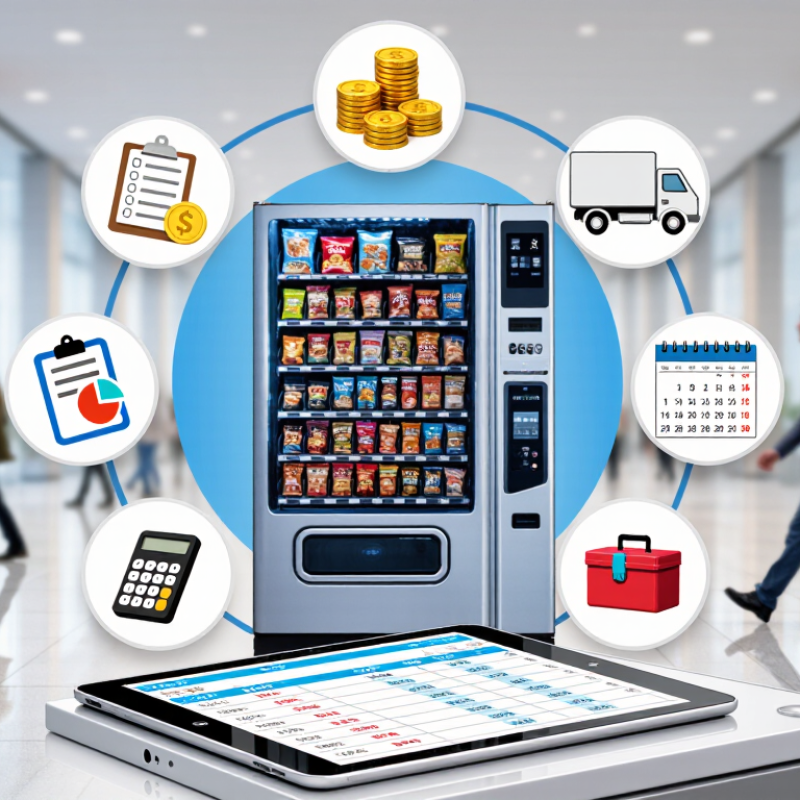
Before seeking vending machine financing, map the business you actually plan to run. List each machine, its location, expected opening date, and the products it will carry. A machine in a busy office may sell differently from one in a quiet laundry room. Estimate sales conservatively, using foot traffic and any reliable location data. Hope is not a forecast.
Next, calculate the full funding need, not just the machine price. Include delivery, installation, payment equipment, initial inventory, permits where applicable, and routine repairs. Keep a cash reserve for slow weeks and unexpected service calls. For example, a machine that costs $4,000 may require several hundred dollars more before it earns its first sale. Check supplier quotes and confirm what each one includes. Small fees add up.
Tips: Build a simple monthly cash-flow sheet. Record expected sales, product costs, location commissions, fuel, and loan payments. Test low, average, and strong sales scenarios. If the business only works under the strongest estimate, revise the plan before borrowing. Be honest about gaps in your numbers; I’ve seen even a tidy spreadsheet miss restocking time and spoilage. Review your personal and business credit, available collateral, and repayment capacity. Lenders may ask for these details, though requirements differ. Keep receipts, location agreements, and written quotes organized.
How to Get Vending Machine Financing? - Assess Your Vending Business and Estimate Funding Needs
Use these illustrative planning estimates to compare common vending business funding needs. Actual costs vary by machine type, location, delivery distance, and local requirements.
| Funding item | New operation 5 machines |
Business expansion 10 machines |
Machine replacement 3 machines |
|---|---|---|---|
| Machine purchase | $20,000 (5 × $4,000) | $40,000 (10 × $4,000) | $13,500 (3 × $4,500) |
| Initial product inventory | $1,500 | $3,000 | $1,200 |
| Delivery and installation | $2,500 | $4,000 | $1,500 |
| Permits and site preparation | $1,000 | $1,000 | $300 |
| Working capital reserve | $5,000 | $8,000 | $3,000 |
| Estimated total project cost | $30,000 | $56,000 | $19,500 |
| Available owner contribution | $6,000 | $14,000 | $4,500 |
| Estimated financing need | $24,000 | $42,000 | $15,000 |
Planning note: Estimated financing need equals total project cost minus the owner contribution. These sample figures exclude interest, lender fees, taxes, and any location-specific costs. Confirm current quotes and local requirements before applying.
Compare Financing Options for Vending Machines
# How to Get Vending Machine Financing?
## Compare Financing Options for Vending Machines
Vending machine financing can help spread equipment costs over time, but the right option depends on your cash flow and plans. A term loan provides a set amount with regular payments. Equipment financing may use the machine as collateral, which can make the equipment itself central to approval. A business line of credit offers flexible access to funds, though rates and repayment terms vary.
Compare the full cost, not just the monthly payment. Check the interest rate, fees, down payment, repayment period, and any early-payment charges. Ask whether installation, payment systems, and initial inventory can be included. A lower monthly bill may mean paying more overall. That trade-off is easy to miss.
Tips: Get written estimates from multiple lenders and compare the total amount repaid. Prepare realistic sales forecasts based on location, foot traffic, and restocking costs. Lenders may ask for financial statements, credit details, and a business plan. Keep a cash reserve for repairs or slower sales; a new machine may take time to earn steadily. Forecasts can be wrong, even when the location looks promising.
Prepare Your Application and Required Documents
Before applying for vending machine financing, build a clear file showing what you plan to buy and how the machine will earn revenue. Include the equipment quote, delivery and installation costs, and any service or payment-system fees. Add a simple cash-flow forecast with expected sales, product costs, site rent, and restocking expenses. Keep the assumptions realistic. A machine beside a busy break room may perform differently from one in a quiet lobby.
Lenders commonly request recent business bank statements, tax returns, financial statements, identification, and details about existing debt. Prepare these as legible PDFs, and check that dates and figures match across documents. If you are a new operator, include a personal financial statement and a short operating plan. Explain where the machine will stand and provide written site permission when available. Small details matter.
The Federal Reserve’s 2024 Report on Employer Firms found that 43% of surveyed firms sought financing in 2023; among applicants, 41% received all the funding requested. These figures cover small businesses broadly, not vending operators specifically, but they show why a complete application helps lenders assess risk. Label each file plainly and keep a copy of your submission. Forecasts can still be wrong. Review them after launch, and be ready to explain what changed.
Apply for Financing and Review the Loan Terms
Before applying for vending machine financing, estimate the full startup cost. Include the machine, delivery, installation, initial inventory, and any location fees. Gather recent bank statements, identification, and a simple business plan. Lenders may also ask about your credit history and expected sales. Be accurate. A polished sales forecast cannot replace clear records. If your figures are uncertain, explain how you estimated them and update them when you have better information.
Tips: Compare offers from several lenders. Check the annual percentage rate, repayment period, fees, collateral requirements, and any early-payment charges. Ask for unclear terms in writing. Then calculate the monthly payment and compare it with a cautious estimate of cash left after inventory, maintenance, and other operating costs. A machine in a busy hallway may still sell less than expected during holidays or construction.
Read the full agreement before signing, not just the advertised rate. Confirm when payments begin, what happens after a missed payment, and whether the lender can claim business or personal assets. Look for variable rates and fees that could raise the total cost. If a clause feels confusing, pause and seek advice from a qualified financial professional. It may slow the process, but a second review can prevent an expensive misunderstanding.
Purchase Vending Machines and Manage Repayments
Financing vending machines can preserve cash for inventory, repairs, and site fees. Before applying, estimate the full cost, not just the machine price. Include delivery, installation, payment equipment, and initial stock. A used machine may cost less, but check its service history and test its cooling, coin mechanisms, and card reader. Small faults add up.
Compare loan offers by reviewing the annual percentage rate, fees, repayment term, and any deposit. Ask whether payments are fixed and whether early repayment carries a charge. Then test the monthly payment against cautious sales estimates. A machine in a busy lobby may still sell slowly during holidays or renovations. Keep a cash buffer for those quiet weeks. It is not optional.
Match repayment dates to your cash flow where possible. Track sales, product costs, commissions, and maintenance in a simple monthly record; separate machine revenue from personal spending. Review the figures after the first few months, and adjust stock or placement if margins fall short. Be honest about what the numbers show. I once underestimated small repair costs in a basic forecast; that made the payment plan look safer than it was. Leave room for mistakes, because real operating costs rarely follow a neat spreadsheet.
Related Posts
-
Exploring Vending Machine Financing Opportunities at China’s 138th Import and Export Fair 2025
-

How to Secure Vending Machine Financing: Tips for 2025 Entrepreneurs
-
What is Vending Machine Financing and How Does it Work?
-
10 Essential Tips to Enhance Your Combo Vending Machines Performance
-
How to Choose the Right Snack Machines for Your Business Needs
-
Ultimate Guide to Maximizing Profits with Snack and Drink Vending Machines