How to Buy Refurbished Vending Machines Worldwide?
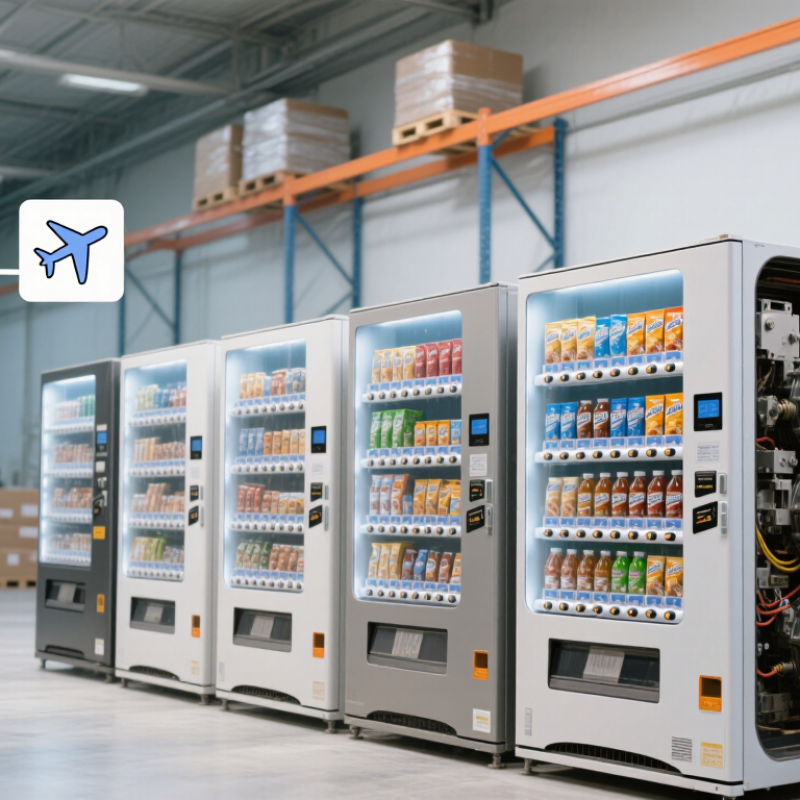
Buying refurbished vending machines worldwide can reduce equipment costs, but a low price tells only part of the story. A machine photographed in a clean warehouse may still have worn motors, a faulty cooling unit, or outdated payment hardware. Details matter. Before comparing offers, define what you need: snack or beverage service, expected daily sales, available floor space, and the products you plan to stock.
Ask sellers for the machine’s age, serial number, refurbishment records, and clear photos of its interior and exterior. Request a written list of replaced parts, tested functions, and anything not repaired. For international purchases, check voltage, plug type, connectivity, payment-system compatibility, shipping terms, insurance, and who handles import paperwork. Requirements vary by destination, so confirm local rules with relevant authorities or a qualified customs professional. A warranty is useful only when its coverage, duration, and service process are stated clearly.
Do not rely on polished photos alone. Ask for a live video demonstration showing the machine cooling, dispensing, and accepting payment, if those features matter to your operation. Compare the full landed cost, including freight, installation, spare parts, and possible delays. A careful checklist helps, but it cannot eliminate every risk; sellers may use different definitions of “refurbished.” That deserves a second look. This guide explains how to assess suppliers, verify machine condition, and plan a purchase with fewer surprises—while recognizing that the best choice depends on your location, budget, and ability to service the equipment.
Determine Your Vending Needs and Machine Specifications
Before comparing refurbished vending machines, define what they must sell and where they will operate. A machine for chilled drinks needs reliable refrigeration; a snack unit may need adjustable shelves for different package sizes. Estimate daily sales from actual foot traffic, not the busiest hour you have seen. Then choose capacity that fits restocking schedules. Too much capacity can mean wasted space and higher shipping costs.
Measure twice. Record the doorway, installation area, and route from the unloading point. Check voltage, plug type, and available power with a qualified local technician. Climate matters, too: heat and humidity can affect cooling performance and cabinet condition. Specify payment options, product dimensions, and any accessibility requirements before requesting quotations. Small details are easy to miss.
For a refurbished unit, ask for its model year, dimensions, weight, and a written inspection report. Request clear photos of the interior, cooling system, control panel, and visible wear. Confirm which parts were replaced, what tests were completed, and whether operating instructions are available. Ask how the machine will be packed and who handles damage claims during transport. Warranty coverage and spare-part access can vary by destination. A low purchase price may not help if a specialist part takes weeks to arrive. Even a detailed checklist can overlook something; have the final specifications reviewed against your site before paying.
Find and Evaluate Refurbished Machine Suppliers Worldwide
Buying refurbished vending machines worldwide starts with finding suppliers who can explain exactly what was repaired. Ask for the machine’s age, operating history, replaced components, and a recent test report. Request clear photos of the interior, payment interface, cooling system, and cabinet—not only polished exterior shots. A clean finish can hide worn motors or leaking seals. Check that the supplier can source common spare parts and provide written warranty terms. Details vary by machine.
Tips: Ask for a video showing a full vending cycle, from selection to delivery. Confirm voltage, plug type, dimensions, and shipping conditions before paying. Get a written quote that separates machine cost, packing, freight, and insurance. Contact one or two previous buyers if possible.
Compare suppliers by evidence, not price alone. A lower quote may exclude export packing or leave you responsible for costly repairs. Check whether the supplier’s proposed delivery method includes tracking and inspectable packaging. Clarify who handles damage claims and what proof is required. For overseas purchases, confirm that the machine’s settings and payment options suit your location. Keep all specifications and promises in writing. Even with careful checks, a refurbished machine may need adjustment after arrival; budget time and money for that possibility. Don’t assume every supplier tests machines to the same standard.
Verify Machine Condition, Refurbishment, and Regulatory Compliance
When buying a refurbished vending machine internationally, request a condition report tied to the machine’s serial number. Ask for clear photos of the interior, wiring, compressor, payment reader, and dispensing mechanisms. A polished exterior proves little. Request a live video showing several selections, door sensors, and temperature readings working. Note any faults, even minor ones, in the purchase agreement.
Refurbishment can mean anything from cleaning to replacing major components. Ask for a written list of parts replaced, service dates, and available warranty terms. Have an independent technician inspect the unit before shipment, especially for corrosion near electrical connections or inconsistent cooling. These details can be missed. They are costly to fix after delivery. A clean cabinet may still conceal worn motors or a failing seal.
Check local requirements before paying, since electrical standards, food-contact rules, refrigerant restrictions, and payment-system requirements vary by destination. Request compliance documents for the exact model and configuration, not a similar machine. Confirm that the voltage and plug match the site, and ask whether local inspection or certification is required. One point is easy to overlook: software or payment hardware may not work in the destination market. Get written confirmation, and verify it with the relevant local authority or a qualified installer.
Compare Pricing, Payment Terms, Shipping, and Import Costs
Buying refurbished vending machines worldwide requires comparing landed cost, not just the machine price. Ask for a dated quote, refurbishment details, a test video, a spare-parts list, and warranty exclusions. Compare currencies, deposit amounts, balance due dates, and payment methods. Where possible, link final payment to inspection documents. A low price may hide missing refrigeration parts or export crating. Small details matter.
Shipping can change the deal. UNCTAD’s Review of Maritime Transport 2024 reported Shanghai–Europe spot container rates rising from about $1,200 per 40-foot container in early December 2023 to roughly $4,000 by late June 2024. That volatility makes old freight quotes unreliable.
Request Incoterms, cargo insurance, dimensions, gross weight, and loading plans in writing. Estimate customs duty, taxes, broker fees, port handling, and inland delivery from the destination tariff schedule and verified machine classification. Keep a buffer for inspection or storage. Not glamorous, but useful.
Compare at least two freight quotes, and check whether the machine ships assembled or needs special crating. Buyers can also overlook voltage, plug type, and local payment-system compatibility. Ask for these specifications before paying; unclear answers are a cost risk, not a minor detail.
Complete the Purchase and Arrange Delivery, Installation, and Support
Before paying, request a written quotation that lists the machine’s condition, included parts, warranty period, and return terms. Ask for recent photos of the cabinet, control panel, and internal components. A video of a test vend can reveal problems that photos miss. Keep the serial number on the invoice. Small details matter. I have seen buyers focus on price and overlook missing keys or coin mechanisms; these can delay opening day.
Confirm the machine’s dimensions, weight, voltage, plug type, and payment-system compatibility before booking freight. Ask how it will be packed, who handles customs paperwork, and whether delivery includes unloading. A pallet at the curb is not the same as placement inside your shop. Check door widths, stairs, lift access, and floor strength with the carrier. Get delivery dates and any storage or redelivery fees in writing. International shipping estimates can change, so leave room in the budget.
Arrange installation with a qualified technician familiar with vending equipment and local electrical requirements. Before delivery, clear the site and prepare a suitable power outlet. After setup, test cooling, payment acceptance, product spirals, and several sample vends. Request a support contact, troubleshooting guide, and list of commonly needed spare parts. Support response times may vary across time zones. Even a careful checklist will miss something; record issues during the first week and report them promptly.