How to Choose the Best Stainless Steel Chains for Your Needs?
When it comes to selecting the best Stainless steel chains, understanding your specific needs is crucial. Stainless steel chains come in various grades and designs, each suitable for distinct applications. Whether for marine use, construction, or decorative purposes, the right choice can enhance durability and performance.
Many people struggle to identify the ideal stainless steel chain. They may overlook essential factors, such as load capacity, corrosion resistance, and aesthetics. This oversight can lead to inefficiencies or even failures in projects. Engaging with reliable suppliers can help address these concerns. They often provide insights into the properties of different stainless steel grades, ensuring you make an informed decision.
With the right knowledge, choosing stainless steel chains becomes easier. However, personal preferences and project requirements should always guide your selection. Reflecting on your experiences and those of industry experts can also yield valuable lessons. Remember, the perfect chain for you may not be the top choice for someone else. A thoughtful approach leads to satisfactory outcomes.
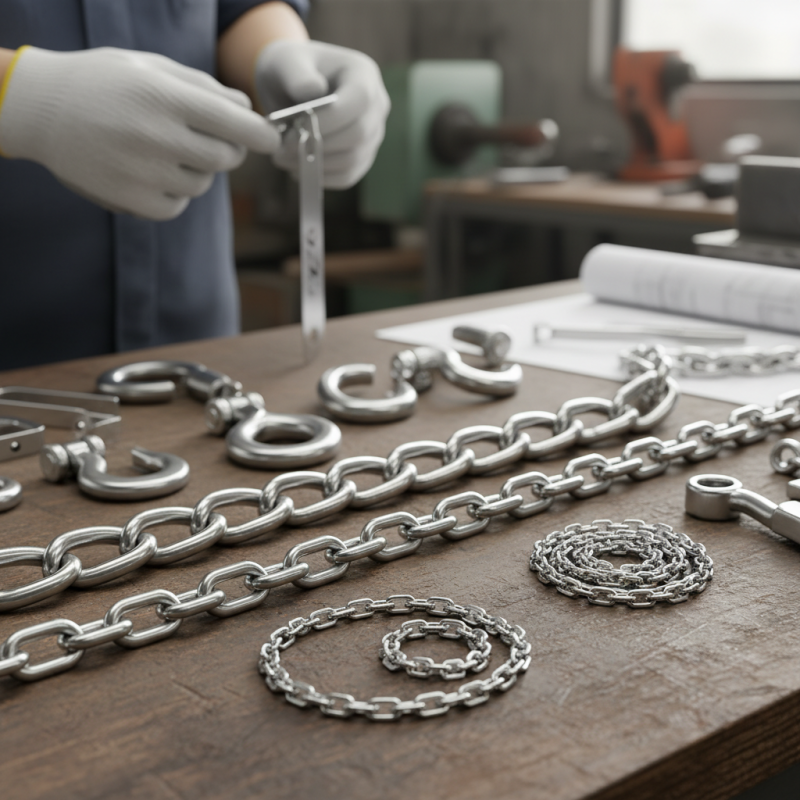
Understanding Different Types of Stainless Steel Chains
When choosing stainless steel chains, understanding the types available is crucial. There are various forms of stainless steel chains. Each serves unique functions. For example, some chains are lightweight and suitable for decorative purposes. Others are heavy-duty and ideal for industrial applications.
Link types vary significantly among stainless steel chains. Welded links provide extra strength and security; however, they might be overkill for light tasks. In contrast, non-welded links are more flexible but can wear down faster.
Consider the weight and load capacity when selecting a chain.
Surface finish is another essential factor. Polished stainless steel chains resist corrosion but may require maintenance. Brushed finishes, while less shiny, hide scratches better. They might be preferable for rough environments. Explore the balance between aesthetics and functionality according to your needs.
Ultimately, the right choice requires careful consideration of how you plan to use the chain. Reflect on your choices and their long-term implications.
Key Factors to Consider When Selecting Stainless Steel Chains
When selecting stainless steel chains, consider several key factors. The type of stainless steel used is crucial. There are various grades available, such as 304 and 316. Research indicates that 316 stainless steel offers superior corrosion resistance, making it ideal for marine applications. In contrast, 304 stainless steel is often suitable for decorative purposes. Choosing the right grade can significantly impact the chain's longevity and performance.
The load capacity and tensile strength of the chain are also vital. According to industry data, stainless steel chains can support a range of loads. Understanding the specific requirements of your application is essential. For instance, a chain that is too light may fail under strain, while an excessively heavy chain can add unnecessary bulk. Moreover, consider the chain's finish. A polished finish can enhance aesthetics but may have different wear properties compared to a brushed finish.
Lastly, evaluate environmental factors. Chains exposed to harsh conditions need greater durability. Regular maintenance can prolong the life of stainless steel chains. However, infrequent inspections can lead to unseen wear and potential failure. Gathering detailed performance data and consulting industry references can guide your decision-making process. The right choice can ensure safety and efficiency in your applications.
Assessing the Strength and Durability of Stainless Steel Chains
When selecting stainless steel chains, consider strength and durability as key factors. The material's ability to resist corrosion and withstand various environmental conditions enhances its lifespan. Look for grades of stainless steel like 304 and 316. These grades provide high tensile strength and resistance to rust, making them ideal for various applications.
Tips: Always check the chain specifications. Load ratings provide insight into how much weight the chain can handle safely. A mismatch can lead to breakage or failure, which can be dangerous.
Inspect the finish of the chain. A smooth surface tends to resist wear better. Chains with rough finishes may degrade over time, particularly in harsh environments. Reflecting on the intended use can lead to better choices and fewer issues down the line.
Tips: Think about the environment where the chain will be used. Factors like exposure to saltwater or chemicals can affect durability. Test the chain under specific conditions to ensure it meets your needs effectively.
Strength and Durability Assessment of Stainless Steel Chains
Evaluating Corrosion Resistance and Maintenance Requirements
When selecting stainless steel chains, corrosion resistance is a critical factor. Corrosion can significantly compromise chain strength and durability. It’s essential to understand the environment in which the chain will operate. For example, chains used in marine or heavy industrial applications need higher resistance levels. A chain exposed to saltwater or chemicals requires specialized formulations.
Regular maintenance is vital to prolong the life of stainless steel chains. Routine cleaning helps remove contaminants that can lead to rust and deterioration. Use mild detergents and avoid abrasive cleaners that can scratch the surface. Although stainless steel is resistant, it is not impervious. Inspect chains regularly for signs of wear or corrosion. This proactive approach can prevent major failures and costly replacements. Consider this: some chains may require premature replacement if not properly maintained.
Choosing the right grade and understanding maintenance requirements makes a significant difference. Opting for chains without evaluating these factors can lead to poor performance. Not all stainless steels are created equal; knowing the specifics of your chain can save time and money. Reflecting on these needs ensures you invest wisely in your stainless steel chains.
Choosing the Right Size and Length for Your Stainless Steel Chains
Choosing the right size and length for your stainless steel chains is essential. It impacts both functionality and aesthetics. When assessing size, consider the purpose of the chain. A heavy-duty chain requires a larger diameter than decorative options. Take a moment to visualize how each size impacts your project's overall look.
Length is equally important. Too short, it may not meet your needs. Too long, and it can be cumbersome. Measure the distance between attachment points accurately. Use a tape measure for a precise fit. If necessary, account for any bends or turns. This ensures you obtain the ideal length for your application.
Remember, a chain that’s well-fitted performs better. It reduces the likelihood of wear and tear. Chains that are too long can get tangled, creating hazards. Reflect on your choice frequently. Ask yourself if it meets your requirements. This self-assessment enhances the quality of your final selection.
How to Choose the Best Stainless Steel Chains for Your Needs? - Choosing the Right Size and Length for Your Stainless Steel Chains
| Chain Type | Link Size (mm) | Length Options (m) | Load Capacity (kg) | Uses |
| Standard Link Chain | 6 | 1, 2, 3 | 100 | General Purpose, DIY Projects |
| Rusted Resistant Chain | 8 | 1.5, 2.5, 4 | 150 | Outdoor Uses, Marine Applications |
| Heavy Duty Chain | 10 | 2, 3, 5 | 300 | Industrial, Lifting |
| Lightweight Chain | 5 | 1, 1.5, 2 | 50 | Crafts, Decorative |
| Multipurpose Utility Chain | 7 | 2, 3, 4 | 120 | Various Applications |