China Top 10 Coffee Vending Machines with Card Readers?

Choosing a coffee vending machine with card reader involves more than adding a tap-to-pay terminal. Buyers must consider drink quality, payment options, service access, and the machine’s daily capacity. A reader should handle common contactless payments reliably, while clear on-screen prompts help customers finish a purchase without confusion. Small details matter: a bright display, a clean cup bay, and a payment terminal positioned within easy reach can improve the experience.

This guide compares ten coffee vending machines with card readers, focusing on practical features rather than polished sales claims. It considers drink selection, brewing speed, payment compatibility, maintenance needs, and suitability for offices, hotels, campuses, and other busy locations. Some machines may look impressive in a showroom but prove harder to clean or refill during a crowded morning. That trade-off deserves attention.

A trustworthy expert quotation should come from a verifiable source. No article or source material was provided here, so attributing a statement to a named coffee-vending specialist would risk inventing a quote. The comparison instead focuses on observable buying criteria and details readers can confirm with manufacturers, such as supported payment methods, service requirements, and warranty terms. A card reader is useful. It is not a substitute for dependable brewing or responsive support.
China Top 10 Coffee Vending Machines with Card Readers?

What Defines a Coffee Vending Machine with a Card Reader?

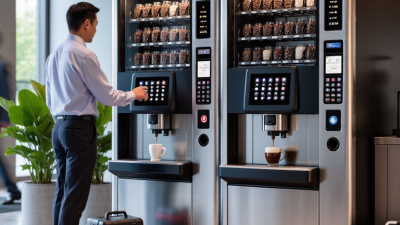
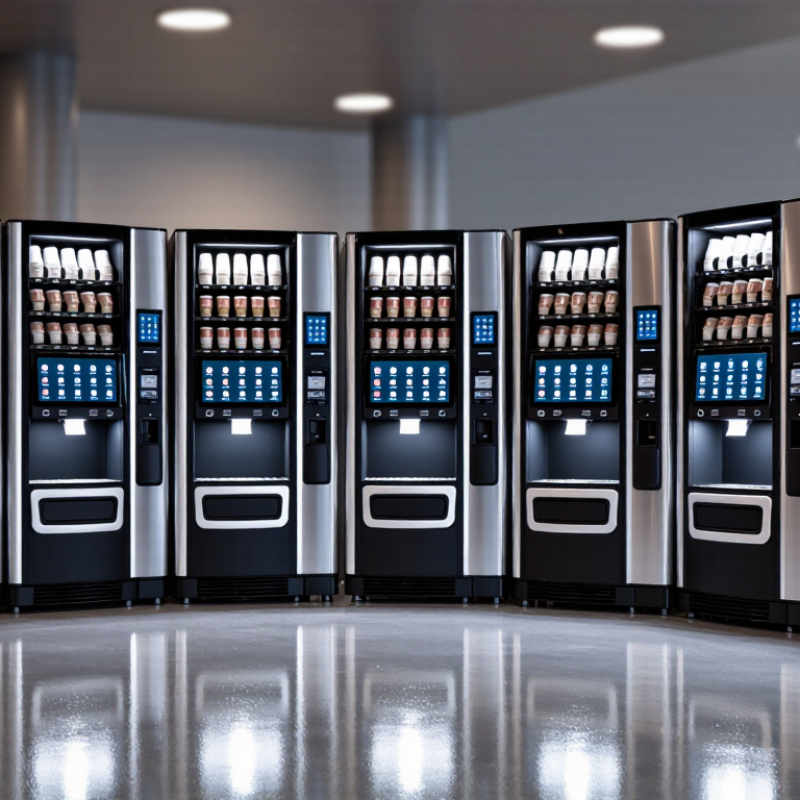
A coffee vending machine with a card reader combines automated drink preparation with cashless payment. The reader accepts a supported card or contactless payment, then sends approval to the machine’s control system. Once payment is confirmed, the machine dispenses the selected drink. Reliable models show clear prices, payment status, and simple instructions on a bright screen. That matters when someone is ordering during a short break. The machine should also handle failed payments without charging twice or leaving the buyer unsure. Convenience matters.

A reader alone does not make a machine easy to use. The payment flow, brew time, cup delivery, and refund process all shape the experience. In a busy office, a tap should lead to a clear confirmation before grinding begins. Operators should review transaction records and test small purchases regularly. Some machines may lose connectivity, so offline behavior deserves careful checking; it is easy to overlook. Specifications can sound reassuring, but a real-world trial is still useful.

How China’s Coffee Vending Machine Market Is Organized

China’s coffee vending market is organized less like a single machine category and more like a service chain. Equipment makers supply brewers, grinders, chillers, and card readers. Operators choose locations, set prices, and manage refills. Payment providers connect readers to mobile and bank-card systems, while local technicians keep machines running. A reader is only useful when connectivity and payment authorization remain stable.

Demand is spreading across office lobbies, transport hubs, campuses, and apartment complexes. World Coffee Portal’s Project Café China 2024 reported 49,691 branded coffee-shop outlets in China, up 58% in 2023. That figure measures cafés, not vending machines. Still, it signals wider consumer exposure to coffee and helps explain interest in unattended formats. The China Chain Store & Franchise Association’s convenience-store industry reporting offers useful context on retail operations and site networks, but vending deployments need separate measurement.

The business model varies by location. An office machine may rely on repeat users and scheduled restocking; a station unit needs faster service and clear prices. Card readers reduce cash handling, yet they add connectivity, settlement, and maintenance requirements. Small details matter: a blocked milk line can stop sales before lunch. That happens. Market comparisons should therefore distinguish machine shipments from active, serviced units. Published counts can be inconsistent, and I would treat broad market estimates cautiously until their definitions are clear.

Key Criteria for Comparing the Top 10 Machines

When comparing China’s top 10 coffee vending machines with card readers, test payment reliability alongside drink quality.

Worldpay’s Global Payments Report 2024 estimates digital wallets represented 30% of global point-of-sale transaction value in 2023. That figure is not China-specific, but it highlights why operators should check whether a reader supports the payment methods local customers actually use, not just bank cards. Small details matter. Ask suppliers to demonstrate a complete purchase, including declined payments, refunds, and network interruptions.

Compare machines under the same conditions: prepare several drinks, measure serving time, and check temperature consistency. Inspect the reader’s placement, screen visibility, and response time; a cramped payment area can frustrate customers carrying cups or bags.

Then review remote stock alerts, cleaning access, spare-part availability, and service response times. NAMA’s 2023 State of the Industry report tracks revenue and operating conditions across the convenience-services sector, offering useful context for evaluating long-term operating costs. Still, its broad market data cannot predict the performance of a particular machine in a specific location.

A polished specification sheet can mislead. I would give more weight to a witnessed field trial than to an impressive feature count.

Top 10 Coffee Vending Machines in China with Card Readers

Choosing among the top 10 coffee vending machines in China with card readers means checking more than drink quality. Compare grinder consistency, cup options, cleaning access, and daily capacity. A machine beside a busy office lift needs fast service and clear payment prompts. One in a quieter lobby may need stronger remote monitoring instead. Readers should support chip and contactless cards, with readable instructions and a clear error message. Test payment response during peak hours; a slow tap can frustrate customers as quickly as a poor espresso.

Payment data offers useful context, but not a China-only ranking. Worldpay’s Global Payments Report 2024 estimated that digital wallets made up 50% of global e-commerce transaction value and 30% of in-person spending in 2023. This supports offering convenient electronic payments, but does not prove every Chinese site prefers cards. Operators should check local customer habits before choosing a reader. A ranked list can look cleaner than real operations. That trade-off is easy to miss.

Tips: Run a one-week site trial. Record failed taps, drink wait times, and restocking needs. Check that the reader stays responsive near metal panels or weak network areas. Keep the payment prompt visible beside the cup pickup point. Small details matter.

China Top 10 Coffee Vending Machines with Card Readers

A practical comparison of ten representative machine configurations for the Chinese market. Specifications are indicative, vary by supplier and options, and should be confirmed against the final product quotation.

No. Machine Configuration Typical Drinks Bean Hopper Cup Capacity Indicative Output Card Reader Support Typical Power Supply Best-Fit Location
1 Compact bean-to-cup countertop unit Espresso, Americano, cappuccino About 1–2 kg Usually manual loading; optional cup dispenser Approximately 30–60 cups/day Optional contactless bank-card reader; payment integration required 220 V, 50 Hz; typically 1.5–2.5 kW Small offices, reception areas
2 Compact freestanding bean-to-cup unit Espresso, long coffee, milk drinks About 1–3 kg About 100–200 cups Approximately 50–100 cups/day Optional contactless card reader; QR payment may be added separately 220 V, 50 Hz; typically 2–3 kW Convenience stores, shared offices
3 Self-service hot-drink vending machine Coffee, milk coffee, hot chocolate, tea About 1–2 kg, with instant ingredient canisters About 200–400 cups Approximately 80–150 cups/day Card-reader integration commonly available as an option 220 V, 50 Hz; typically 2–3 kW Factories, campuses, staff areas
4 Bean-to-cup machine with refrigerated milk module Espresso, latte, cappuccino, flat white About 1–3 kg About 100–250 cups Approximately 60–120 cups/day Optional contactless card reader; verify local acquiring support 220 V, 50 Hz; typically 2–3 kW plus refrigeration Office lounges, hotel lobbies
5 Touchscreen coffee vending machine with cup dispenser Espresso, Americano, milk-based drinks, hot chocolate About 2–4 kg About 200–400 cups Approximately 100–200 cups/day Integrated or add-on contactless card reader; QR payment often offered as an additional option 220 V, 50 Hz; typically 2–3 kW Transport hubs, hospitals, large offices
6 Dual-grinder commercial vending configuration Two coffee options, espresso, Americano, milk drinks About 2–4 kg total About 250–500 cups Approximately 120–250 cups/day External card reader supported where payment terminal and software are compatible 220 V, 50 Hz; typically 2.5–3.5 kW Busy offices, university buildings
7 High-capacity freestanding coffee vending machine Espresso, Americano, latte, cappuccino, tea About 3–5 kg, plus ingredient canisters About 400–700 cups Approximately 150–300 cups/day Card-reader option; confirm contactless card acceptance with the payment provider 220 V, 50 Hz; typically 3–4 kW Large factories, railway stations
8 Fresh-milk vending configuration with chilled storage Espresso, latte, cappuccino, milk coffee About 2–4 kg About 200–500 cups Approximately 100–220 cups/day Optional contactless card reader; check payment connectivity and settlement arrangements 220 V, 50 Hz; typically 2.5–3.5 kW plus refrigeration Shopping centers, business parks
9 Modular multi-menu hot-beverage vending machine Coffee, milk drinks, tea, cocoa, flavored beverages About 1–3 kg, with multiple ingredient canisters About 300–600 cups Approximately 120–250 cups/day Add-on card reader possible; payment software must support the machine interface 220 V, 50 Hz; typically 2–3 kW Schools, public-service buildings
10 High-throughput commercial bean-to-cup vending system Espresso, Americano, multiple milk drinks About 3–6 kg, depending on hopper layout About 500–1,000 cups Approximately 200–400 cups/day Integrated or external contactless card reader, subject to payment-system compatibility 220 V, 50 Hz; typically 3–4 kW High-traffic transport and commercial locations

Note: Cup capacity and daily output are planning ranges, not guaranteed performance. Actual output depends on drink size, menu mix, water supply, replenishment frequency, and operating hours. Confirm card-reader standards, supported payment methods, network requirements, and local payment-provider approval before purchase.

How to Choose and Deploy the Right Machine

China’s Top 10 Coffee Vending Machines with Card Readers: How to Choose and Deploy the Right Machine

A reliable machine starts with the site, not the feature list. In China, compare expected foot traffic, available power, water access, and refill routes before selecting capacity. A station in a busy office lobby may need faster brewing and larger ingredient hoppers than one in a small clinic. Check cup size, drink options, cleaning access, and local service support in person. The National Coffee Association’s 2024 National Coffee Data Trends report found that 67% of U.S. adults drank coffee daily. That figure is not a China forecast, but it shows why convenience matters in established coffee markets.

Card readers should support the payment methods your customers actually use. The Federal Reserve’s 2024 Diary of Consumer Payment Choice reported that cash accounted for 16% of U.S. payments in 2023, while debit and credit cards together accounted for 62%. Payment habits vary by country, so test local payment acceptance before installation. Confirm transaction speed, network reliability, refund handling, and sales reporting. A reader that fails during a signal drop can turn a quick coffee stop into a frustrating wait.

Tips: Start with a short pilot in one representative location. Track daily sales, stockouts, failed payments, and cleaning time for four weeks. Then adjust the menu and refill schedule. A tidy paper log helps, though staff may forget it on busy days. Keep a backup payment option and test it weekly.

China Coffee Vending Machines with Card Readers: Selection Priorities

A practical comparison framework for choosing and deploying a coffee vending machine in China.

Scores use an illustrative 1–5 planning rubric, not market-survey results. Prioritize card-reader compatibility and payment integration, then assess uptime, serviceability, capacity, and site requirements before deployment.