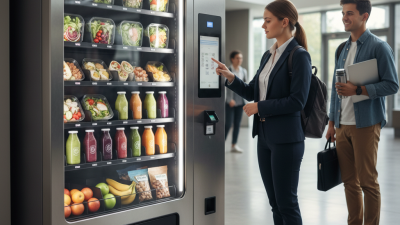
Where to Find the Best Vending Locations Worldwide?
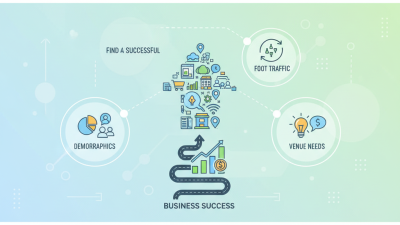
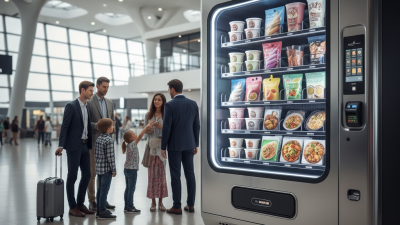
The global vending machine market is thriving, with an estimated value of $30 billion by 2026. This growth presents significant opportunities for finding the best vending locations worldwide. A successful vending strategy is heavily reliant on location. High foot traffic areas, such as airports and shopping malls, often yield greater profits. Research shows that 70% of consumers prefer vending due to convenience.
Identifying optimal vending locations isn't straightforward. Competition is fierce, and businesses must adapt to consumer preferences. Recent surveys indicate that 58% of vending users seek healthier options. This trend calls for strategic placement of machines in fitness centers and office buildings. However, not every location guarantees success; factors like visibility and accessibility play crucial roles.
Brands keen on expanding their vending footprint must consider diverse demographics. They should also account for cultural differences in consumer behavior. This complexity adds both challenges and potential rewards. Exploring innovative locations can lead to increased engagement and sales. Understanding these dynamics is essential for maximizing the potential of vending locations.
Identifying High-Traffic Areas for Vending Machines
When searching for the best vending locations worldwide, targeting high-traffic areas is essential. Busy city centers, bus stations, and malls are prime spots. People often look for quick snack breaks in these places. Therefore, placing vending machines where foot traffic is highest can boost sales significantly.
Tip: Observe foot traffic patterns during peak hours. Note how many people pass by. This can provide insights into potential locations. For instance, a machine near a café can attract customers waiting for their coffee. Look for areas where people sit and relax.
Consider locations like universities or hospitals. These places typically have a steady stream of visitors and staff. However, competition is often fierce. Reflect on how to stand out from other machines.
Tip: Invest time in understanding local preferences. Tailor your offerings to the area's demographics. A sports arena might require protein bars, while a school may benefit from healthier snacks. Pay attention to what your target audience chooses.
Where to Find the Best Vending Locations Worldwide? - Identifying High-Traffic Areas for Vending Machines
| Location |
Type of Area |
Estimated Daily Foot Traffic |
Best Vending Products |
| New York City, USA |
Public Transport Station |
20,000+ |
Snacks, Beverages |
| Tokyo, Japan |
Shopping District |
15,000+ |
Sweets, Instant Noodles |
| London, UK |
University Campus |
10,000+ |
Healthy Snacks, Energy Drinks |
| Sydney, Australia |
Business District |
25,000+ |
Coffee, Sandwiches |
| Berlin, Germany |
Airport |
30,000+ |
Travel Snacks, Bottled Water |
Assessing Customer Demographics for Optimal Vending Locations
When identifying the best vending locations worldwide, understanding customer demographics is crucial. Different age groups and lifestyles influence purchasing habits. According to the “Vending Industry Trends 2023” report, younger consumers prefer healthy snacks, while older demographics still opt for classic convenience foods. Tailoring product offerings to fit these preferences can significantly enhance sales.
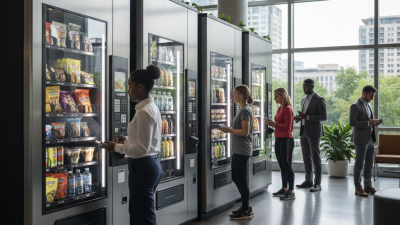
Locations with dense foot traffic, like universities and corporate offices, tend to see higher sales. A recent study found that 75% of vending machines in high-traffic areas generated more revenue than those in less populated zones. Recognizing peak times for each demographic is essential. For instance, lunchtime sees a surge in demand near workplaces, while late evenings may attract university students.
However, even the best locations face challenges. Competition from convenience stores or cafes can dilute sales. Understanding local consumer preferences is fundamental but often requires meticulous research. Engaging with customers through surveys or social media can provide insights into their needs. In an industry that is constantly evolving, such depth of understanding can make or break vending success.
Vending Locations Analysis by Customer Demographics
This chart illustrates the distribution of optimal vending machine locations based on various customer demographics, including age, income level, and foot traffic. The data highlights the most effective locations worldwide based on customer preferences.
Exploring Popular Venue Types for Successful Vending Strategies
Finding the ideal vending locations is crucial for success. Key venue types include busy transportation hubs, healthcare facilities, and educational institutions. These spots attract a large and diverse audience. Cafeterias in hospitals can be a good choice. People often seek quick snacks or drinks while waiting.
Shopping malls are also popular. Vending machines near entrances or food courts see high foot traffic. However, competition is fierce. It's important to study what other vendors offer. Understanding customer preferences is essential. Gathering feedback can help you tailor your selection.
Office buildings provide opportunities too. Employees appreciate convenience during breaks. Yet, the challenge lies in obtaining permission. Engaging directly with building management is often necessary. Outdoor events and festivals can attract crowds. Still, weather and location logistics must be considered. An ideal strategy involves researching and adapting to each venue's unique environment.
Understanding Local Regulations for Vending Operations Worldwide
When considering vending operations worldwide, understanding local regulations is crucial. Each country, and often each city, has specific rules governing vending. These can include licenses, permits, and health regulations. For instance, in some places, food vendors must adhere to strict hygiene standards. Other locations may require special permits for beverage sales.
Knowing these factors can make or break a vending venture. Many entrepreneurs overlook local regulations. This can lead to fines or, worse, business shutdowns. Researching the area is essential. Talk to local vendors and authorities to ensure compliance. Use online resources or local government websites for accurate information. This effort pays off in the long run.
Vending can be a rewarding business, but it's not without challenges. Regulations can be confusing. They can change frequently, too. Keeping up-to-date is necessary. Join local vending associations to stay informed about recent changes. Networking with experienced vendors can also provide insights. It's a continuous learning process that demands attention.
Evaluating Competitor Presence in Potential Vending Areas
When exploring potential vending locations, competitor presence is crucial. Analyze areas with high foot traffic, like busy streets or office complexes. Look for gaps where competitors are absent. This insight can lead you to areas ripe for new vending opportunities.
Consider the demographics of your target market. Are there schools nearby? What about gyms or parks? Each location has unique characteristics. Assess which would resonate with your offerings. For instance, if healthy snacks are your focus, finding a gym without many alternatives would be beneficial.
Take time to document your findings. Create a map with competitor locations highlighted. This visual representation helps identify patterns. Perception plays a crucial role. A busy competitor can indicate demand but may also deter new operators. Balancing competition with potential market saturation is key. Reflecting on these aspects can help refine your strategy.