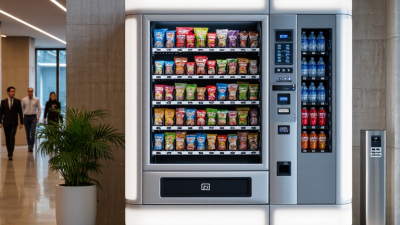
2026 Best Vending Locations for Your Business?
Choosing the best vending locations in 2026 is less about chasing the busiest sidewalk and more about matching products to people’s routines. A crowded entrance may look promising, yet shoppers might hurry past without stopping. A quiet laundromat can perform better when customers wait nearby for an hour. Small details matter.
This guide explores practical site options, from office break rooms and apartment lobbies to campuses, clinics, and travel hubs. Each setting brings different needs. A clinic may favor water and simple snacks, while a workshop might need filling options during late shifts. These are starting points, not guarantees.
Before placing a machine, assess foot traffic at different times, nearby alternatives, customer dwell time, safe access, and reliable power. Ask the property manager about written approval, placement rules, and service access. Check local requirements, too. A site that looks ideal on a tour may be difficult to restock or maintain during busy hours.
There is no perfect formula. Even careful estimates can miss seasonal changes, staff schedules, or a renovation that blocks a corridor. Track sales and stockouts after launch, then adjust the product mix or placement based on actual results. The strongest vending locations are usually those that solve a clear, everyday need without disrupting the space.
What Makes a Vending Machine Location Profitable in 2026?
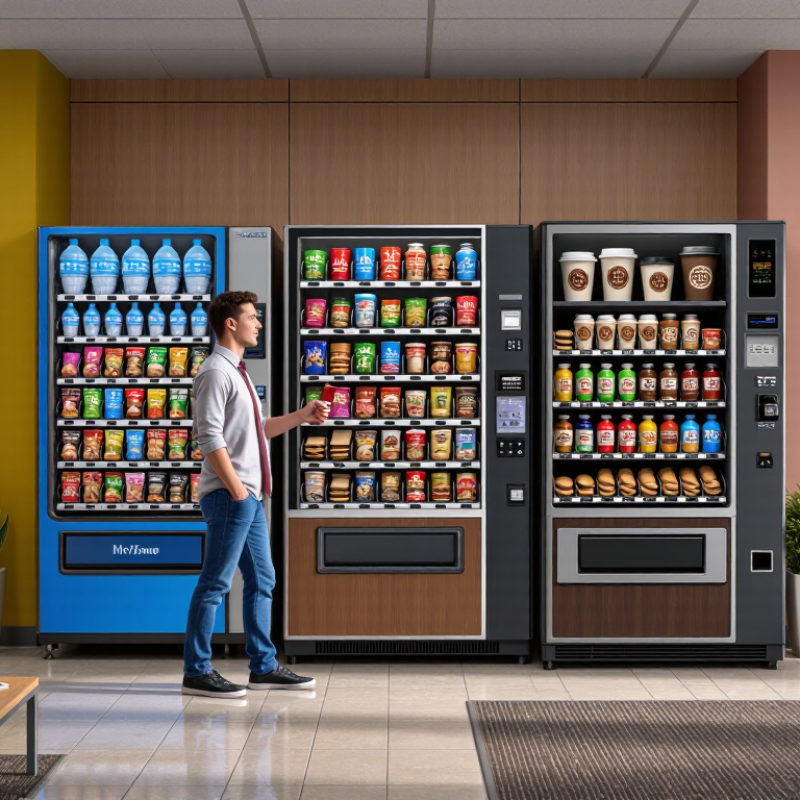
A profitable vending location combines steady foot traffic with enough waiting time to prompt a purchase. Think hospital corridors, staff break rooms, and busy transport hubs.
A machine beside a quiet hallway may see hundreds pass, yet few stop. Watch the site at different hours. Count people who pause, not just people who walk by.
Industry figures offer context, not a guarantee. NAMA’s 2023 Industry Census reported $26.6 billion in U.S. convenience-services sales in 2022. The Federal Reserve’s 2024 Diary of Consumer Payment Choice found that cash made up 16% of consumer payments in 2023. Together, these findings support testing locations with regular demand and reliable cashless payment options.
That matters. Before committing, check access hours, nearby food choices, delivery routes, and the property’s power supply. A cold-drink machine near a sunny loading dock may need more frequent restocking.
I would still treat national figures cautiously: they cannot predict one building’s sales. Track transactions by hour for several weeks, then adjust products and service visits. Some placements disappoint. That is useful evidence, too.
Which Types of Venues Offer the Best Vending Opportunities?
Workplaces remain strong candidates when employees spend full shifts onsite. A machine near a break room or shift entrance can serve people who have little time to leave. The National Automatic Merchandising Association’s 2024 State of the Industry report estimated U.S. convenience-services revenue at $26.6 billion in 2023. That figure covers more than vending alone, so it signals market scale, not guaranteed returns for one location.
Hospitals and colleges offer steady, varied traffic across long operating hours. The American Hospital Association’s 2024 Fast Facts counted 6,120 U.S. hospitals, while NCES reported 19.2 million undergraduate students in fall 2023. These populations create potential demand for drinks, snacks, and practical essentials. Placement still matters: a hospital machine beside a waiting area may serve different needs than one near a staff entrance. Campus traffic also falls during holidays. Details matter.
Transit hubs, hotels, and large residential buildings can work when people pass through repeatedly or lack nearby shops. Before signing, observe traffic at several times, check existing food options, and ask who controls access and restocking. A busy lobby can look promising, yet visitors may move too quickly to stop. Even good estimates miss things. Test a small selection first, then adjust based on sales, spoilage, and requests. The best venue is not always the busiest; it is the one where convenience fits people’s routines.
2026 Best Vending Locations for Your Business? - Which Types of Venues Offer the Best Vending Opportunities?
| Venue type | Relative opportunity | Why it can work | Products that may fit | Key considerations |
|---|---|---|---|---|
| Hospitals and medical centers | Very high | Staff, patients, and visitors may be on site at all hours, and some facilities have limited nearby food options overnight. | Packaged meals, snacks, drinks, and basic convenience items | Confirm facility approval, food-safety requirements, restocking access, and placement near waiting or staff areas. |
| Universities and colleges | Very high | Campus foot traffic and study schedules can create demand between classes and outside dining hours. | Snacks, cold drinks, coffee, and quick meal options | Demand varies with term dates, campus layout, dining contracts, and student price sensitivity. |
| Factories and distribution centers | High | Shift-based workforces may need convenient food and drinks during breaks, including when nearby shops are closed. | Filling snacks, drinks, and ready-to-eat meals | Check employee headcount by shift, break-room access, security procedures, and replenishment windows. |
| Office buildings | High | Employees and visitors can provide repeat weekday demand, especially where food service is limited. | Coffee, drinks, snacks, and light meals | Assess actual occupancy, hybrid-work patterns, existing cafés, and building access outside business hours. |
| Hotels and extended-stay properties | High | Guests may value convenient purchases on site, particularly late at night or when traveling with family. | Drinks, snacks, travel essentials, and personal-care basics | Coordinate with property management and consider guest expectations, security, and nearby convenience stores. |
| Transit stations and terminals | High | Travelers often make quick purchases while waiting or passing through busy transport locations. | Bottled drinks, packaged snacks, and travel necessities | Permits, concession agreements, security rules, and competition can make access and placement more complex. |
| Gyms and recreation centers | Moderate to high | Members may want convenient refreshments or small essentials before or after exercise. | Water, sports drinks, protein snacks, and workout essentials | Match the selection to the facility’s policies and customer preferences; avoid unsupported health claims. |
| Apartment communities | Moderate | Residents may appreciate access to everyday items without leaving the property, especially in larger communities. | Drinks, snacks, household basics, and personal-care items | Estimate resident demand, account for nearby retailers, and agree on space, utilities, and servicing with management. |
| Schools and K–12 campuses | Variable | Students and staff create concentrated on-site demand, but operating periods and purchasing rules can be restrictive. | Approved snacks and drinks appropriate to the school setting | Check district policies, nutrition standards, age-appropriate access, and school-calendar seasonality before proposing a placement. |
Relative opportunity is a qualitative comparison, not a sales forecast. Actual results depend on foot traffic, customer fit, competition, access, operating costs, and placement terms.
How Should You Assess Foot Traffic and Customer Demand?
A strong vending site is not simply busy; it has people who pause, return, and need convenient refreshments. Count passersby at several times, including shift changes, lunch, and quieter periods. Record direction of travel, waiting time, nearby food options, and whether people can easily reach the machine. A crowded corridor can still produce weak sales if everyone is rushing past.
Use local evidence alongside industry benchmarks. The National Automatic Merchandising Association’s 2024 State of the Convenience Services Industry report estimated U.S. convenience-services revenue at $26.6 billion in 2023, but that national figure cannot predict one building’s sales. The U.S. Census Bureau’s 2023 American Community Survey reported that 13.8% of workers worked from home, a reminder that office headcounts may overstate daily demand. Ask property managers for actual occupancy patterns, then compare them with your own foot-traffic counts. I would not rely on one busy day. Track counts across a full week, note nearby purchases, and test a small product mix before expanding. Even a handwritten tally helps. Check the numbers again after holidays or staffing changes; demand shifts, sometimes for reasons a simple count misses.
2026 Best Vending Locations for Your Business? How Should You Assess Foot Traffic and Customer Demand?
Estimated daily transactions under three foot-traffic scenarios
This illustrative scenario model assumes 2% of passersby make a purchase: 500 daily passersby corresponds to about 10 transactions, 1,000 to 20, and 2,000 to 40. These are calculations from an assumption, not measured industry averages. Count relevant passersby at the proposed machine location during operating hours, then replace the scenario inputs with your own observations.
What Site, Permit, and Operating Requirements Should You Check?
A busy location is not automatically a good vending site. Watch the area at different times, including evenings and weekends. Count passersby, but also notice who stops, how long they stay, and whether nearby workers or visitors need quick snacks or drinks. Check for safe access, clear sightlines, stable power, and room for customers without blocking walkways. Check after dark. A site can look perfect on paper and still underperform.
Before placing a machine, get written permission from the property owner or manager. Ask local authorities which business, zoning, health, or food-handling permits apply; requirements vary by location and product. Confirm insurance expectations, electrical capacity, accessibility, and any fire or building rules. Make a practical service plan, too: who restocks, how often, where deliveries can stop, and how packaging waste will be handled. Keep copies of approvals and inspection records. Details are easy to miss.
Tips: Visit during the hours you plan to operate, and speak with people who use the space. Photograph the proposed spot and measure it before ordering equipment. Verify permit requirements directly with the relevant local office. A quick online answer may be outdated. Recheck assumptions after the first few weeks; sales patterns can surprise you.
How Can You Compare Locations and Select the Right One?
To compare vending locations, observe each site during the same days and time blocks. Count passersby, but note who they are and whether they can stop. A busy hallway may produce fewer purchases than a quieter break room with a captive audience. Foot traffic helps. But counts mislead.
Record nearby alternatives, opening hours, lighting, outlet access, and how easily staff can refill the machine. Ask the property manager about placement fees, commission, and access rules, then put agreed terms in writing. Estimate sales conservatively using expected buyers, not total pedestrians. Check whether the site’s peak demand matches the products you plan to stock. A gym entrance, for example, may favor cold drinks, while an office kitchen may need snacks during afternoon breaks.
Visit at different times and speak with people who use the space. Their comments can reveal details a spreadsheet misses, such as a locked door after 6 p.m. or a weekly cleaning schedule. I would rank sites by demand, operating cost, access, and fit, then test the strongest option for a limited period. Small tests matter. Results can still be noisy, especially during holidays, so revisit the numbers before committing to a longer placement.
Related Posts
-
What Is the Best Vending Machine Location?
-
Maximizing Vending Locations: Strategies to Boost Sales by 30% in Urban Areas
-
Where to Find the Best Vending Machine Locations Worldwide?
-
Are Refurbished Vending Machines Worth the Investment?
-
Why Choose Snack and Drink Vending Machines at the 139th Canton Fair?
-
Top 10 Refurbished Vending Machines for Global Buyers